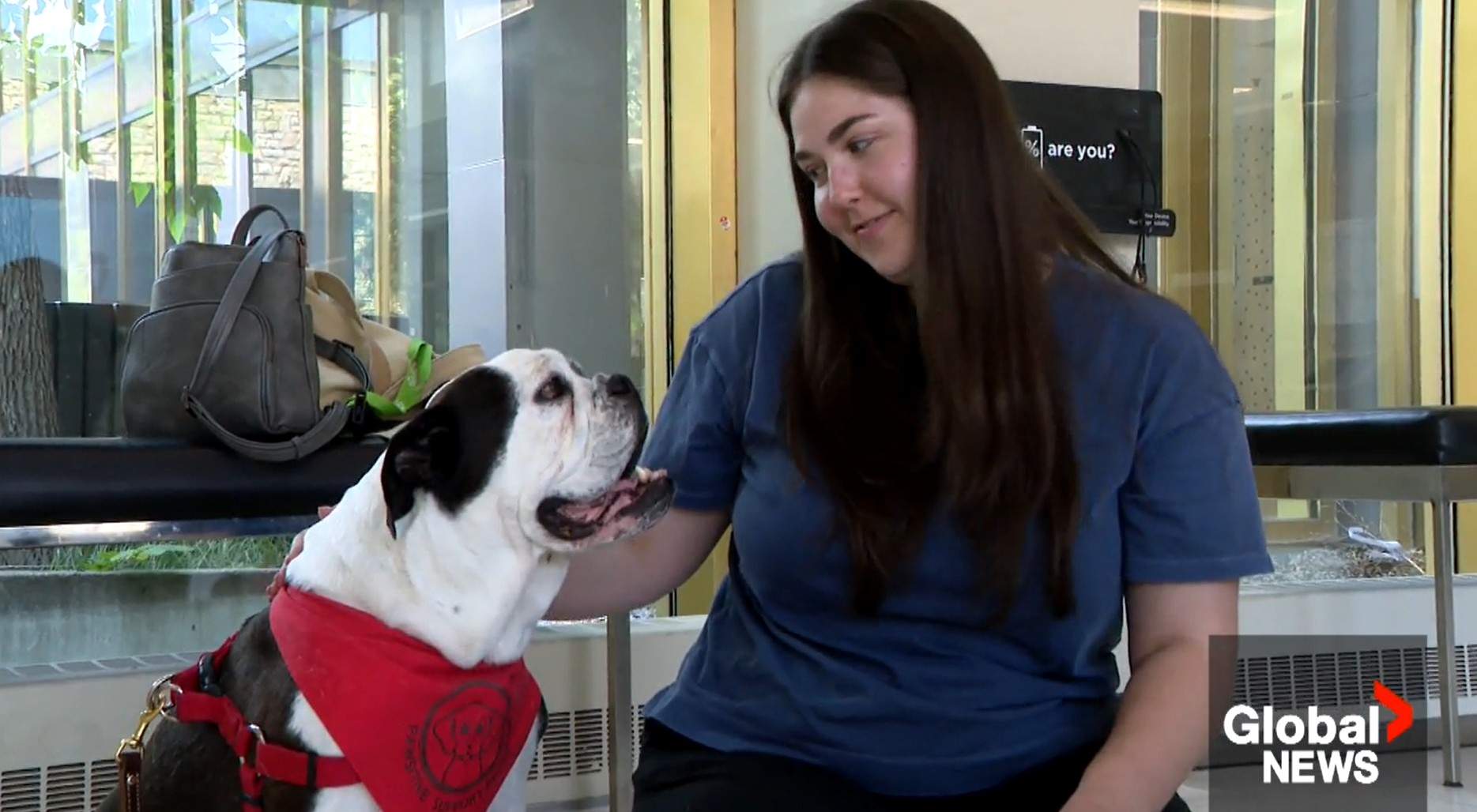
We talk endlessly about how therapy dogs make humans feel better. They lower blood pressure, reduce anxiety in hospital emergency rooms, and bring a sense of calm to chaotic environments. But we rarely stop to ask a simple question: what is the dog experiencing during these visits?
Dr. Colleen Anne Dell and her team at the University of Saskatchewan's PAWSitive Connections Lab are changing that narrative. Backed by a substantial multi-million-dollar federal grant, their latest research shifts the spotlight away from human-centric metrics and onto the actual perspective of the animal. It is a long-overdue correction in how we study animal-assisted interventions. If you liked this post, you might want to look at: this related article.
The Blind Spot in Animal-Assisted Therapy
For decades, the standard approach to therapy dog research followed a predictable script. Researchers measured human cortisol levels, handed out post-visit surveys to patients, and tracked psychological improvements in high-stress environments like prisons, universities, and hospitals.
The benefits to humans are well-documented. Yet, these studies almost universally ignored the emotional and physical toll on the dogs doing the work. Handlers often assume their dogs love every second of interaction because the animal is compliant. That assumption is dangerous. For another perspective on this event, see the recent coverage from National Institutes of Health.
Dogs cannot speak up when a hospital ward is too loud or when an overly enthusiastic visitor pulls their ears too hard. They communicate through subtle body language—lip licking, yawning, stiffening posture, or avoiding eye contact. When handlers miss these signals, the dog absorbs chronic stress.
Listening to the Dog's Body Language
The USask research initiative incorporates animal behaviorists and specialized frameworks to track subtle changes in canine demeanor during active sessions. When a therapy dog walks into a hospice or a correctional facility, what are its stress hormone levels telling us? Is the dog genuinely engaged, or is it simply tolerating the environment out of obedience?
Accounting for the animal's point of view requires creative methodologies. Handlers participating in the program are learning to look closer at positive welfare—moving past the bare minimum of preventing harm to actively ensuring the animal experiences joy and free will on and off the clock.
If a dog shows reluctance or displays signs of sensory overload, ethical animal-assisted therapy demands that the handler step back. Prioritizing the animal's welfare transforms the dynamic from an extraction of comfort to a genuine, reciprocal relationship.
Expanding the Scope of Human-Animal Bonds
This shift in perspective is part of a larger, sweeping initiative led by the USask team alongside numerous national and international partners. The research network looks at various dimensions of how animals shape human health, from investigating the mental health benefits of animal companionship for long-haul truck drivers to comparing the efficacy of virtual therapy dog sessions versus in-person visits.
Every single branch of this expansive project anchors back to a core truth: our relationships with animals are complex. They involve responsibilities, emotional costs, and ethical obligations that we cannot ignore just because animals are eager to please us.
When you involve therapy dogs in public service, you enter a contract of care. You have to answer for their comfort just as much as they answer for yours.
If you work with animals or plan to introduce them into professional settings, start paying closer attention to what they are telling you without words. Watch for avoidance, respect their boundaries, and build recovery time into their schedules. Put their perspective first, and the quality of the work will follow naturally.