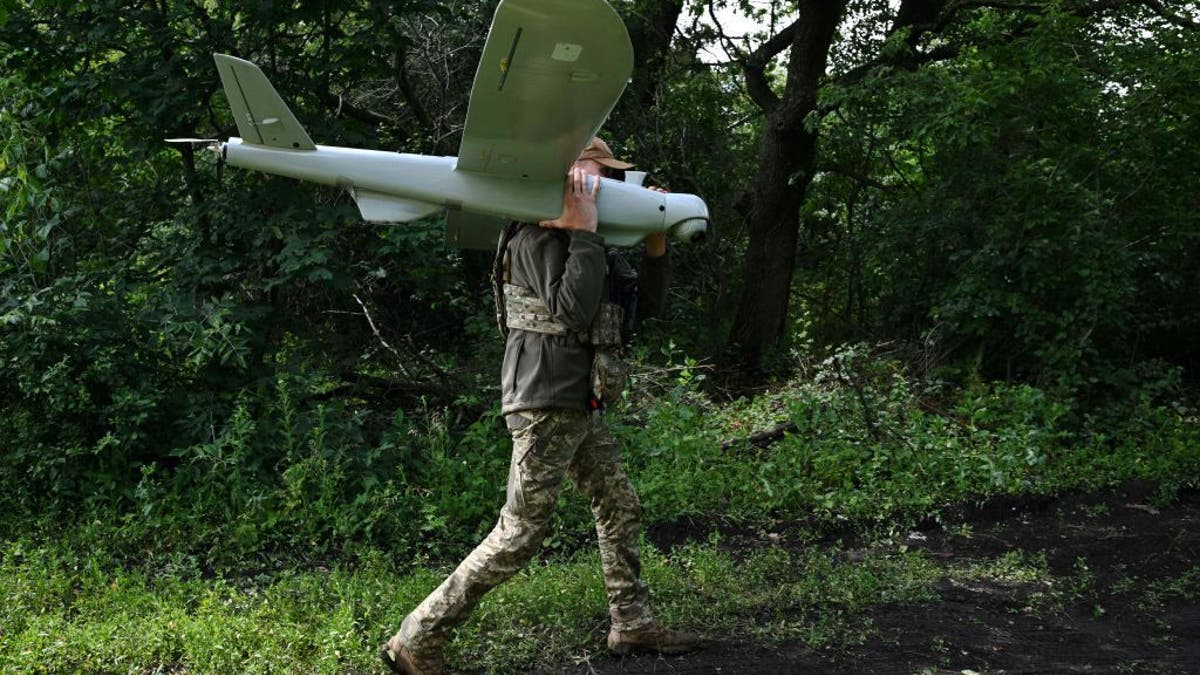
Warfare is changing right in front of us, and the footage coming out of the Black Sea proves it. When a Ukrainian strike drone dodged incoming aerial fire from a Russian helicopter before slamming directly into the hull of a sanctioned oil tanker, it wasn't just a tactical win—it was a brutal demonstration of how low-cost unmanned tech is rewriting naval combat rules.
Let's look at what actually happened during this engagement near Sochi. Released by Robert "Magyar" Brovdi, commander of Ukraine's Unmanned Systems Forces, the video shows a high-stakes aerial cat-and-mouse game. A Russian military helicopter scrambled to intercept the incoming drone, opening fire to knock it out of the sky. Instead of getting blasted into pieces, the drone dipped, maneuvered, and ignored its pursuer to home in on its primary objective: the Armada Leader, a Russian-flagged oil tanker listed on international sanctions registries.
The Strategy Behind Targeting the Shadow Fleet
Why go after tankers instead of warships? The answer comes down to economic oxygen. Russia relies heavily on its so-called shadow fleet—aging tankers moving crude through the Black Sea and Sea of Azov—to keep oil revenues flowing past international restrictions.
According to reports from Ukraine's Unmanned Systems Forces, campaigns like Operation "MoLoChKa" are designed to systematically choke these supply lines. Numbers released by military commanders show the sheer scale of the pressure: hundreds of vessels targeted across a matter of weeks. When you strike a tanker, you aren't just blowing up steel. You are forcing drydock repairs that take months, driving up insurance rates, and terrifying shipping crews who realize that Russian air cover isn't enough to guarantee safe passage.
Why Helicopters Struggle Against Modern Drones
Military analysts have spent months dissecting why expensive attack helicopters have such a hard time stopping small, agile aerial drones. It comes down to physics and targeting systems.
Helicopter door guns and mounted auto-cannons rely heavily on human reaction times and manual or optical tracking. Drones are tiny, move unpredictably, and don't care about G-forces or pilot fatigue. When the helicopter in the Black Sea tried to blast the incoming platform, its field of fire couldn't compensate quickly enough for the drone's tight adjustments. The drone operator kept eyes locked on the immobile, high-value target—the tanker—while treating the multi-million dollar helicopter as a minor annoyance to be dodged.
What This Means for the Future of Black Sea Logistics
The days of safe maritime transit in contested zones are officially dead. Russia's attempts to safeguard fuel transports and cargo heading toward occupied Crimea using air escorts have proven insufficient against a swarm-and-strike doctrine that prioritizes cheap, expendable technology over traditional naval dominance.
As long as shadow tankers keep moving oil, expect these operations to scale up. The battlefield has shifted from open-water fleet battles to asymmetric hunts, and a single drone dodging a helicopter rotor is just the beginning of a much larger shift in modern military strategy.
Ukrainian Drone Dodges Russian Helicopter Fire, Hits Oil Tanker | Firstpost News
This video from Firstpost covers the dramatic footage released by Ukraine showing the exact moment the drone evades aerial fire to strike the sanctioned tanker in the Black Sea.