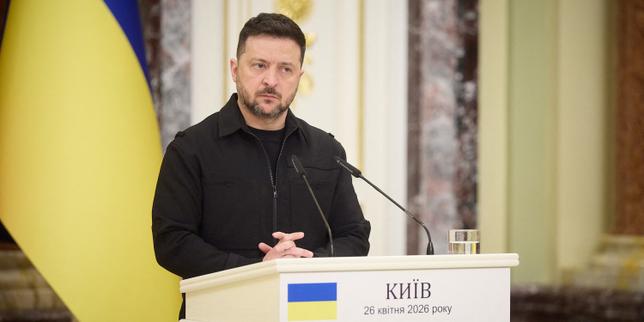
Volodymyr Zelensky isn't just fighting a war on land anymore. He's taking the fight to the murky waters of the Black Sea where Russia has been playing a high-stakes game of hide-and-seek with stolen grain. For months, we've seen reports of "ghost ships"—vessels with their transponders turned off, creeping into occupied ports like Sevastopol, loading up with Ukrainian harvests, and disappearing into the global market. It's a massive theft operation that funds the Kremlin's war machine. Now, Kyiv is signaling that the era of looking the other way is over.
Ukraine is building a systematic response to track and penalize these shadowy vessels. This isn't just about maritime law. It's about survival. Every ton of grain stolen is money that should be supporting the Ukrainian economy but instead buys missiles. I’ve watched how these ships operate, and honestly, it’s a masterclass in deception. They swap names, fly "flags of convenience" from countries that don't ask questions, and spoof their GPS locations to look like they're in the middle of the ocean when they're actually docked in Crimea. You might also find this connected coverage insightful: The Germany Withdrawal Myth and the Cost of Coming Home.
The Mechanics of the Ghost Fleet Theft
Russia doesn't just walk off with the grain. They've built a sophisticated logistics chain. These ghost ships are often old, poorly maintained, and uninsured. That makes them a ticking ecological time bomb for the Black Sea, but Moscow doesn't care. They use a tactic called "ship-to-ship" transfers. A small vessel loads grain in an occupied port, sails into international waters, and dumps the cargo onto a larger bulk carrier. By the time that grain hits a port in the Middle East or Africa, the paperwork looks clean.
Kyiv’s new strategy focuses on digital surveillance and international pressure. You can’t hide a massive cargo ship from modern satellites, no matter how many sensors you turn off. Zelensky mentioned that Ukraine is working with partners to create a legal and technical "trap" for these operators. They're using high-resolution imagery and AI-driven behavior analysis to flag vessels that deviate from normal shipping patterns. If a ship "goes dark" for three days near the Crimean coast, it's not a coincidence. It's a red flag. As discussed in recent articles by NBC News, the effects are significant.
Why International Sanctions Alone Failed
The West put sanctions on Russian shipping early on. But sanctions are only as good as their enforcement. If a Russian-owned ship re-registers in Panama or Liberia, it often bypasses the initial layers of scrutiny. Many of these ghost ships are owned by shell companies based in Dubai or Turkey. They change hands faster than the bureaucrats can track them.
Ukraine knows it can’t rely solely on the UN or slow-moving international courts. They’re taking a more aggressive stance. By identifying the specific insurance companies and maritime service providers that keep these ships afloat, Ukraine aims to cut off the "oxygen" the ghost fleet needs to breathe. If a ship can't get insurance because it’s blacklisted for hauling stolen Ukrainian goods, no reputable port will let it dock. It’s a game of economic attrition.
The Role of Tech in Modern Maritime Warfare
You might think of the war in Ukraine as trenches and drones. But the data war in the Black Sea is just as intense. Ukraine has been remarkably effective at using Sea Baby naval drones to push the Russian Navy back. This created a corridor for legitimate grain exports. However, the ghost fleet operates outside this corridor.
To counter this, Ukraine is integrating its intelligence with commercial shipping databases like Lloyd's List. They’re basically crowdsourcing the hunt. When independent maritime analysts and "ship spotters" on social media post photos of a vessel in Sevastopol, that data now feeds directly into a state-managed database of offenders. It’s decentralized warfare applied to trade.
Defending the Global Food Supply
This isn't just Ukraine's problem. When Russia floods the market with stolen, cheap grain, it crashes prices for legitimate farmers everywhere. It’s a form of economic sabotage. Plus, the risk of a major oil spill or maritime accident from these decrepit ghost ships is astronomical. Most of them are well past their "scrap" date. They operate without standard safety inspections. One engine failure in the Bosphorus Strait could paralyze global trade for weeks.
Zelensky’s push for a "system" implies something permanent. He's talking about a lasting infrastructure that can identify and penalize these actors in real-time. It's a bold move. It signals to the world that Ukraine considers the theft of its natural resources a front-line issue, equal to the defense of its borders.
How the World Can Stop the Plunder
Stopping the ghost fleet requires more than just Ukrainian grit. It needs a shift in how port authorities operate globally. Right now, many ports in developing nations are desperate for cheap grain. They don't check the "DNA" of the wheat. But wheat actually has a chemical signature based on the soil it grew in. Scientists can literally test a handful of grain and tell you if it came from the Kherson region or deep inside Russia.
Ukraine is advocating for more widespread use of this "origin testing." If a buyer knows they’re receiving stolen goods, the legal risk becomes too high. The goal is to make Russian stolen grain "toxic" to the global market.
- Demand Transparency: Shipping companies must be held to account for their AIS (Automatic Identification System) history. If a ship turns off its transponder, it should be banned from major ports for six months, no questions asked.
- Satellite Monitoring: Western allies should provide real-time, unclassified satellite feeds of occupied ports to the public. Sunlight is the best disinfectant.
- Follow the Money: Trace the payments. These grain deals aren't happening in Bitcoin. They’re moving through banks. Target the financial institutions that process the payments for these ghost ships.
- Support the Grain from Ukraine Program: Support legitimate channels. Buying grain through official Ukrainian programs ensures the money goes to the people who grew it, not the people who stole it.
The fight against the ghost fleet is about more than just wheat and corn. It’s about the principle that you can’t just steal a nation's resources and sell them on the open market with impunity. Ukraine is proving that even without a massive traditional navy, they can make life very difficult for those who try. The net is tightening. If you're operating a ship in the ghost fleet, your days of hiding in plain sight are numbered.