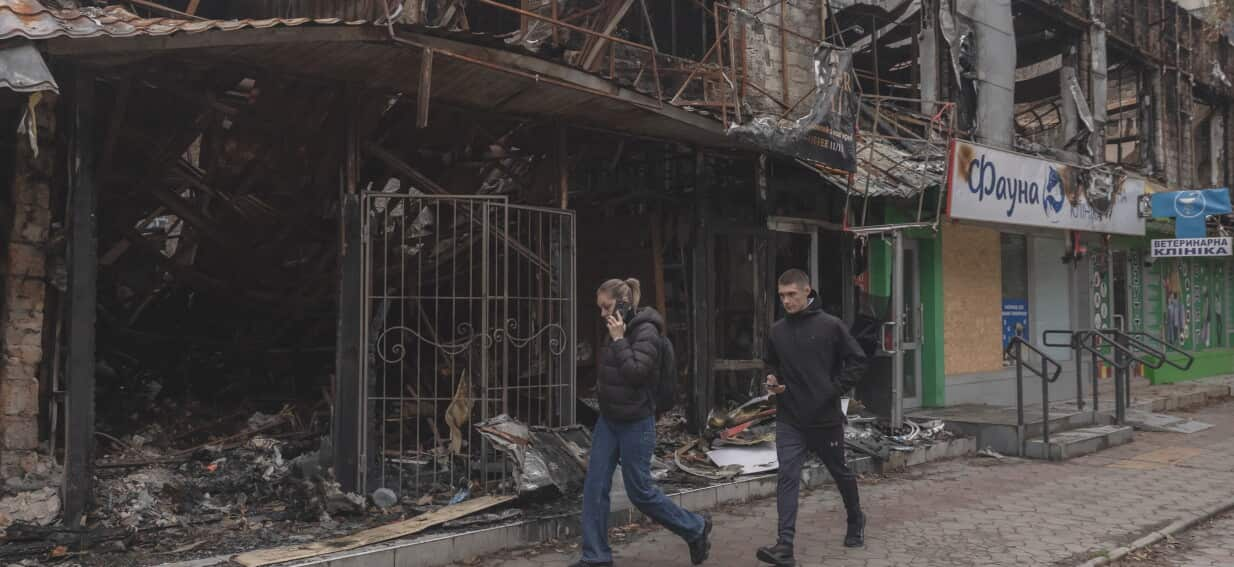
Imagine your phone screaming at 3 a.m. with a ballistic missile warning. You grab your kids, throw on a coat, and sprint down four flights of concrete stairs into a freezing basement. Twenty minutes later, you find out the threat wasn't real—hackers just hijacked the alert app.
That exact scenario played out when Ukrainian officials confirmed that a public air raid alert application had been compromised, sending out false alarms to civilians. When an emergency warning tool turns into a vector for psychological warfare, the damage goes way beyond a bad night's sleep. It chips away at the one thing civil defense relies on to save lives. Trust.
I've spent years studying how digital infrastructure holds up under active conflict, and the vulnerability of public notification systems keeps me up at night. People treat smartphone alerts as infallible gospel. They aren't. They're just software pipelines connected to APIs, cloud servers, and third-party push notification gateways—every single one of which can be targeted, spoofed, or overwhelmed.
How Attackers Compromise Public Alert Apps
Most citizens assume an air raid siren on their phone comes straight from a hardened military bunker with an air-gapped connection. The reality is much messier. Modern alert apps—like Ukraine's popular Air Alert (Повітряна тривога), developed by Ajax Systems and Stfalcon with support from the Ministry of Digital Transformation—rely on standard commercial infrastructure to reach millions of devices in seconds.
When a regional administration triggers an alarm, that signal travels from a local government terminal to a central server, which then pushes payloads through Apple Push Notification service (APNs) or Firebase Cloud Messaging (FCM) for Android. Attackers don't need to hack a radar station to send a fake warning. They just need to compromise the middleware.
There are three main ways threat actors pull this off:
- API and Credential Theft. If an administrator's workstation gets infected with an info-stealer malware, attackers can grab the API keys or session tokens used to authenticate alert broadcasts. Once inside the dashboard, sending a nationwide alarm takes two clicks.
- Third-Party Notification Hijacking. Many public alert apps integrate with Telegram channels, SMS gateways, or third-party push providers. Compromising a linked Telegram bot token or a cloud messaging account lets hackers bypass the app's core security entirely while still making the alert look 100% authentic on the user's lock screen.
- Supply Chain and Update Compromises. If threat actors breach the developer's build environment, they can push a poisoned update or manipulate backend configuration files that dictate when and where sirens trigger.
Ukrainian cybersecurity agencies, including CERT-UA and the State Service of Special Communications and Information Protection (SSSCIP), have documented thousands of cyberattacks targeting civilian infrastructure since the full-scale invasion began. Going after an air raid app isn't a technical flex for Russian-aligned groups like Sandworm or Gamaredon. It's a calculated weapon.
The Psychological Toll of False Alarms
Cry wolf enough times, and people stop running.
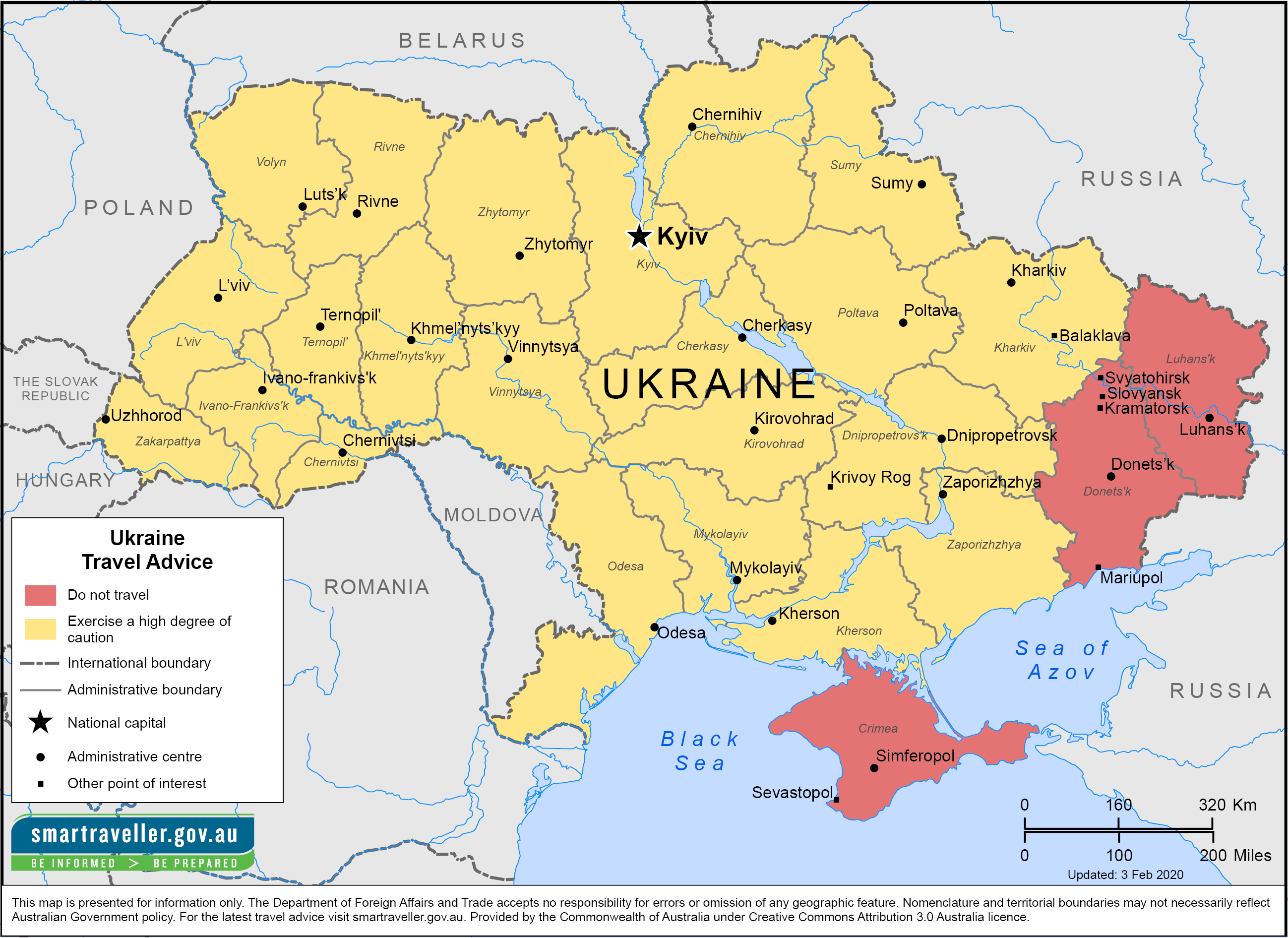
In cybersecurity, we talk a lot about alert fatigue among SOC analysts who ignore real breaches because their screens flash red all day. Now apply that exact same human flaw to families living under daily missile threats. When a hacked air raid alert app blasts fake warnings across Kyiv or Lviv, it creates immediate panic. Heart attacks spike. Traffic accidents happen as people speed toward shelters. Hospitals scramble to move critical-care patients into underground corridors.
Then comes the hangover.
The next time the real siren wails, a tired parent looks at their phone, remembers the spoofed alert from two nights ago, and decides to stay in bed. That's the true objective of information operations. You don't need to destroy a power grid if you can convince a population that their own early-warning systems are broken.
We've actually seen versions of this outside active war zones, too. Remember the January 2018 Hawaii false missile alert? That wasn't even a cyberattack—just an employee clicking the wrong link on an poorly designed interface during a drill—and it still sent an entire state into absolute chaos for 38 minutes. When hostile state-sponsored hackers intentionally engineer that panic through a compromised app, the psychological fallout multiplies.
Why App-Based Sirens Are Hard to Secure
You might wonder why governments don't just lock these apps down with military-grade encryption. They try, honestly. The problem is speed.
An air raid warning has a strict shelf life. If a hypersonic missile or a drone swarm is inbound, every second spent verifying cryptographic handshakes or waiting for multi-party manual approvals costs lives. Engineers building civil defense tools face a brutal trade-off between latency and authentication.
Make the system too rigid, and a real alarm gets delayed by two minutes while a sleepy duty officer hunts for a hardware security key. Make it too fast and automated, and a single stolen credential lets a hacker trigger chaos across twelve oblasts simultaneously.
There's also the fragmentation problem. In Ukraine, alerts aren't handled by one monolithic government app. Citizens get warnings from the dedicated Air Alert app, the state Diia e-governance platform, municipal Telegram bots, local FM radio overrides, and old-school physical pole sirens. Securing one pipeline doesn't stop an attacker from spoofing another. And when a municipal Telegram channel gets hijacked—which has happened repeatedly during the conflict—casual observers often blame the official mobile apps anyway, blurring the line between a true technical breach and social media account takeover.
What Developers and Agencies Must Fix Right Now
If you're building or managing any kind of emergency notification platform—whether it's for missile strikes, wildfires, flash floods, or campus lockdowns—this incident is your wake-up call. Relying on standard web app security practices for life-safety software is negligence.
Enforce Hardware-Backed Multi-Person Authorization
No single human account, and certainly no single static API key, should ever have the unilateral power to trigger a mass alert. High-severity broadcasts need a digital "two-man rule." Operator A initiates the alert using a FIDO2 hardware key (like a YubiKey), and Operator B independently approves it from a separate device before the push payload leaves the server. Yes, it adds five to ten seconds to the workflow. That's a tiny price to pay to stop a lone compromised laptop from terrorizing millions of people.
Cryptographically Sign Every Alert Payload
Your mobile app shouldn't trust a push notification just because it came from Firebase or Apple's servers. The backend server needs to sign the alert text, timestamp, and geographic coordinates with a private key stored inside a Hardware Security Module (HSM). The app on the user's phone holds the corresponding public key hardcoded into the binary. If a hacker hijacks the push notification gateway and tries to inject a fake message, the app checks the signature, sees it doesn't match, and silently drops the payload without ever waking the user.
Isolate Alert Infrastructure From General IT
Emergency broadcast dashboards cannot live on the same corporate network where employees check email and browse the web. Put the alert-triggering consoles on dedicated, hardened terminals with strict IP allowlisting, zero email access, and automated session timeouts every 15 minutes. If a duty officer isn't actively sitting at the console, the session dies.
How Everyday Users Can Verify Emergency Warnings
You don't have to sit around waiting for app developers to fix their backend architecture. When you rely on digital alerts during a crisis, a few basic habits will protect you from both hackers and panic.
- Cross-check across independent channels. Never trust a single app in isolation. If your phone goes off, immediately check a second, completely separate source—an official government Telegram channel, local public radio, or physical outdoor sirens. If the app screams "missile strike" at noon on a sunny day, yet the outdoor sirens are dead silent and official state channels show nothing, treat it with caution while staying near cover.
- Keep your apps updated through official stores only. Never sideload APK files for civil defense or news apps from Telegram groups or third-party websites. Attackers love distributing trojanized versions of popular alert apps that look identical to the real thing while feeding you fake warnings and stealing your location data.
- Know your local physical shelters ahead of time. Digital tools fail. Cell towers lose power, internet backbones get cut, and apps get hacked. Memorize the nearest reinforced basement, subway station, or interior load-bearing wall before an alarm ever sounds so you aren't relying on a live map loading on your screen during an emergency.
Digital civil defense has saved countless lives in Ukraine by giving people precious minutes to get underground before impact. Hackers targeting these apps proves just how effective they've become. The technology works, but only when the security behind it matches the stakes of the warnings it sends.