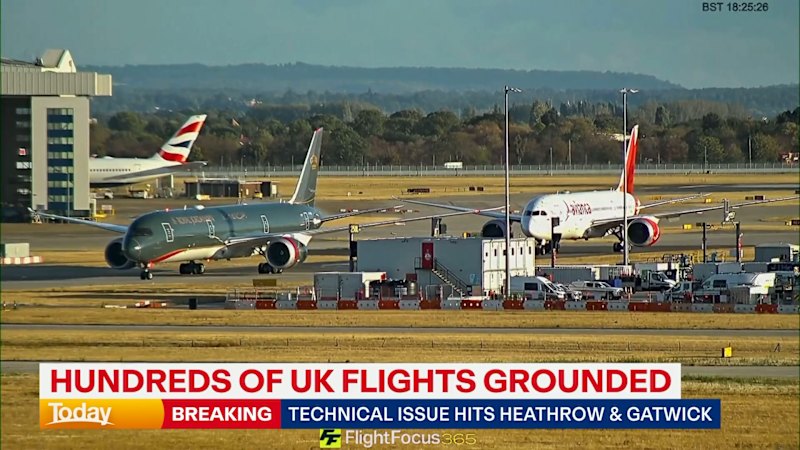
Standing in a departures terminal while the flight board flips to cancelled is a special kind of misery. Over 600 flights across Britain were grounded after a severe technical failure hit the National Air Traffic Services flight processing system. Major hubs like Heathrow, Gatwick, Manchester, and Stansted ground to a sudden halt. Passengers sat on tarmac-bound aircraft for hours, only to find their journeys completely scrapped.
This disaster isn't just an isolated stroke of bad luck. It points to chronic vulnerability in core aviation infrastructure. When the software handling flight plans breaks down, the shockwaves ripple across Europe and leave tens of thousands of travelers stranded.
What Actually Caused the UK Air Traffic Breakdown
The root of the chaos lay deep within the flight processing system managed by NATS. This system handles the digital routing, clearance, and safety parameters for aircraft moving through British airspace. When the software experienced a critical failure, safety regulations required air traffic controllers to restrict traffic volume immediately. You cannot push heavy jets into the skies blindly.
Planes stopped leaving the gates. Arriving flights had nowhere to park because outbound aircraft were stuck on the ground. Even though engineers managed to implement a fix after a few hours, fixing a line of code does not instantly clear a massive aviation backlog. Aircraft were stranded in the wrong cities, flight crews timed out of their legally mandated rest hours, and airport gates remained gridlocked.
Airlines like British Airways and EasyJet bore the brunt of the schedule obliteration, pulling short-haul departures and warning passengers that recovery would take days.
The Reality of Repeat Failures
Frequent flyers aren't surprised anymore, which is the most damning indictment of the system. This incident follows a string of high-profile technological failures at NATS over recent years, including radar glitches and previous flight plan automation crashes that cost the industry well over a hundred million pounds.
Airlines and consumer groups have started calling out leadership directly, questioning why critical national infrastructure remains so fragile. When a single software hiccup can paralyze international travel corridors, the architecture needs a complete overhaul, not just a patch.
How to Protect Your Trips from Air Traffic Chaos
You cannot control what air traffic controllers or software engineers do. You can, however, change how you book and manage your travel to survive these predictable meltdowns.
Book the first flight of the day whenever possible. Morning departures usually leave before delays compound across the network. Aircraft and crews are already at the airport overnight, meaning you bypass the knock-on effects of earlier cancellations.
Never book separate tickets for connecting flights. If you piece together a budget flight to a major hub and a separate long-haul ticket on a different airline, a system outage will wipe out your protection. If you miss a connection on separate tickets, the airline owes you nothing. Booking under a single ticket forces carriers to reroute you and cover your meals and accommodation when things implode.
Keep offline copies of everything. When airport Wi-Fi collapses under the weight of thousands of stranded passengers trying to rebook, digital boarding passes and confirmation emails become useless. Download your airline's app, save PDFs of your itinerary, and keep emergency contact numbers handy.
Know your rights immediately. Under UK and EU aviation regulations, airlines must provide food, drink, and hotel accommodations during significant delays, alongside alternative travel arrangements. Do not let customer service desks tell you otherwise. Stay calm, bypass the chaotic physical queue by calling your airline's international or secondary support lines, and secure your rebooking before everyone else grabs the remaining seats.