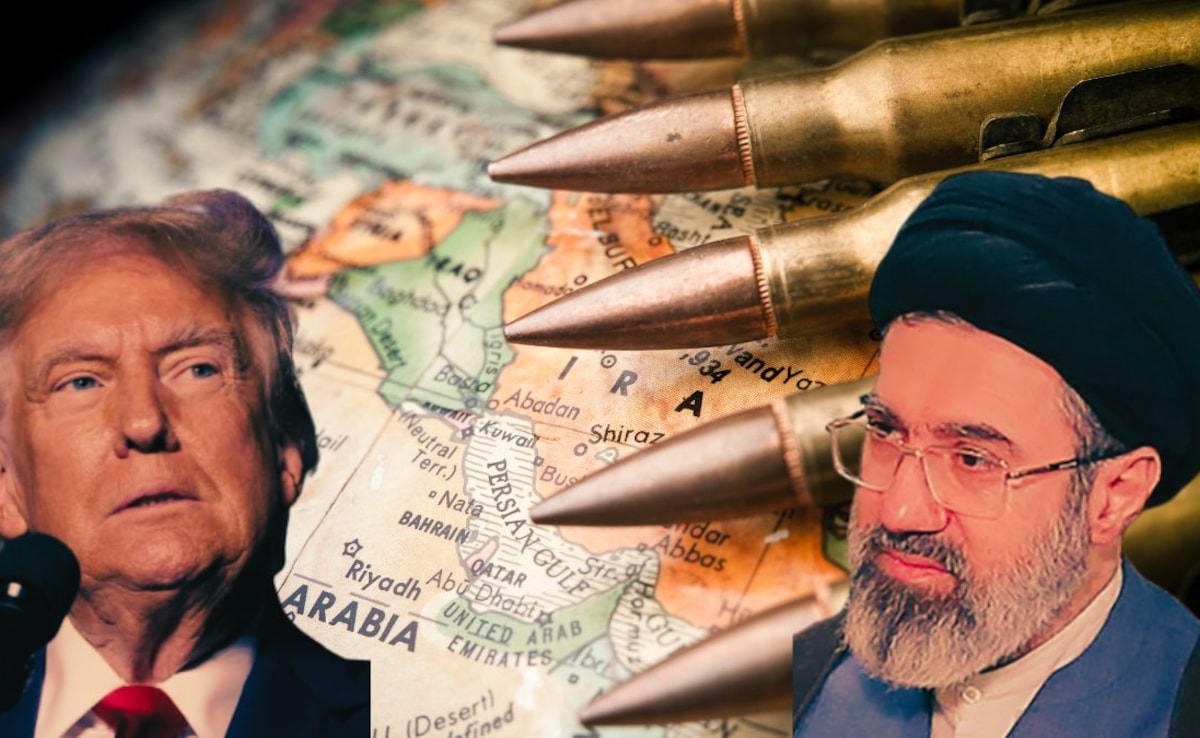
The distance between twenty years and five years is not just a measure of time. It is a measurement of intent. In the high-stakes bazaar of nuclear diplomacy, Washington recently floated a proposal that would see Iran’s nuclear ambitions put on ice for two decades. Tehran responded by offering five. This fifteen-year gap represents more than a disagreement over calendar dates; it exposes the fundamental structural failure of modern non-proliferation efforts. While the West seeks a permanent solution to a generational threat, Iran is playing a tactical game of survival, treating its centrifuge arrays like a high-interest savings account they can withdraw from at any moment.
Washington’s logic is simple, if perhaps overly optimistic. By demanding a twenty-year freeze, the U.S. aims to push the "breakout time"—the period needed to produce enough weapons-grade uranium for a single bomb—so far into the future that the current Iranian leadership might no longer be in power to see it through. It is a bet on regime change through biological attrition. Iran knows this. Their counter-offer of five years is a calculated insult, a period just long enough to secure sanctions relief but short enough to ensure their technical infrastructure remains warm and ready for a rapid restart.
The Mechanics of a Nuclear Freeze
To understand why these numbers matter, one must look at what actually happens inside a hardened facility like Fordow or Natanz. A "freeze" is a technical term for a logistical nightmare. It involves more than just turning off the lights and locking the doors. It requires the removal of advanced IR-6 centrifuges, the blending down of uranium hexafluoride (UF6) enriched to 60 percent, and the installation of 24/7 monitoring equipment that the International Atomic Energy Agency (IAEA) can actually trust.
When the U.S. asks for twenty years, they are asking for the total degradation of Iran’s nuclear human capital. Scientists who don’t work on enrichment for two decades lose their edge. Equipment that sits idle for twenty years becomes obsolete. Tehran’s counter-proposal of five years is designed to keep their scientists employed and their hardware relevant. They want a pause, not a retirement.
The math of enrichment is unforgiving. Uranium enriched to 60 percent is technically a short hop away from 90 percent, the threshold for a weapon.
$$U_{nat} \rightarrow U_{20%} \rightarrow U_{60%} \rightarrow U_{90%}$$
The energy and time required to reach the first 20 percent represent about 90 percent of the total work. By holding onto their 60 percent stockpiles and proposing a short freeze, Iran maintains a "threshold" status. They aren't building a bomb today, but they are keeping the components on the workbench.
The Sanctions Trap
Economic pressure has been the primary tool of the West for decades, yet its efficacy is waning. The Iranian economy has developed a "resistance" model, pivoting toward trade with Russia and China to bypass the SWIFT banking system. This shift has altered the leverage in the room.
In previous rounds of negotiations, the promise of lifting oil sanctions was a powerful enough carrot to bring Tehran to the table. Today, that carrot is withered. Iran has found ways to move its crude through "ghost fleets" and ship-to-ship transfers in the Malacca Strait. They are no longer desperate; they are merely inconvenienced. When Washington demands a twenty-year commitment in exchange for sanctions relief, the Iranian negotiators see a bad deal. Why trade a permanent strategic asset for the temporary removal of sanctions that a future U.S. administration might re-impose with a single executive order?
The memory of 2018 looms large. The unilateral withdrawal from the JCPOA taught Tehran that American signatures have an expiration date tied to the four-year election cycle. A twenty-year freeze would require five different U.S. presidencies to remain consistent. In the eyes of the IRGC and the Supreme Leader, that isn't a diplomatic agreement; it’s a fairy tale.
The Regional Arms Race
While the U.S. and Iran haggle over years, the rest of the Middle East is watching the clock. Riyadh has made it clear that if Iran maintains a path to a weapon, Saudi Arabia will seek its own. This isn't just about a bomb. It's about the delivery systems, the hardening of infrastructure, and the intelligence networks required to maintain a nuclear posture.
The twenty-year proposal was partly designed to soothe regional jitters. A two-decade window provides a sense of stability that allows for long-term economic planning. A five-year window, however, is a blinking red light. It signals to Israel and the Gulf states that the threat has only been delayed, not neutralized. This leads to a dangerous "anticipatory" buildup. We are seeing a surge in procurement of advanced missile defense systems and cyber-warfare capabilities across the region, all predicated on the assumption that the five-year freeze is nothing more than a tactical breathing spell.
Technical Verification and the Trust Gap
Even if the parties met in the middle—say, at twelve years—the issue of verification remains an insurmountable wall. Modern enrichment doesn't require massive, easily spotted factories anymore. Small cascades of advanced centrifuges can be tucked away in tunnels or disguised as legitimate industrial sites.
The IAEA’s current "Standardized Safeguards" are built for an era of cooperation that no longer exists. Iran has already restricted access to several sites and removed cameras in response to Western pressure. A twenty-year freeze would require a level of intrusive inspection that borders on a loss of national sovereignty. We are talking about environmental sampling, satellite surveillance, and "anytime, anywhere" access to military bases.
Tehran views these demands as espionage. Washington views them as a baseline. Without them, any number of years—five or twenty—is meaningless. A freeze that cannot be verified is just a curtain behind which the work continues.
The Shadow of the Ukraine Conflict
Geopolitics has shifted the gravity of these talks. Iran’s role as a supplier of Shahed drones to Moscow has given them a new kind of diplomatic shield. In exchange for military hardware, Russia provides Iran with diplomatic cover at the UN Security Council and, potentially, advanced missile technology or Su-35 fighter jets.
This "Eurasian Axis" makes the U.S. position much harder to maintain. If the West squeezes too hard, Iran leans further into the arms of Moscow and Beijing. The twenty-year demand feels like a relic of a unipolar world where the U.S. could dictate terms to an isolated pariah state. But Iran isn't isolated anymore. They are part of a growing bloc of nations that see Western-led non-proliferation as a tool of neo-colonialism.
The Failure of Incrementalism
The central flaw in the current negotiation strategy is the belief that "more time" equals "more safety." It doesn't. Time is only valuable if it is used to address the underlying reasons why a nation wants a nuclear deterrent in the first place. For Iran, the nuclear program is the ultimate insurance policy against the fate that befell Gaddafi or Saddam Hussein.
A five-year freeze is a pause button on a video game. A twenty-year freeze is an attempt to unplug the console. But as long as the underlying security architecture of the Middle East remains broken, Iran will keep its hand on the controller.
The U.S. demand for twenty years is an admission that they don't know how to fix the problem, only how to postpone it. The Iranian offer of five years is an admission that they have no intention of ever giving up the ghost. Both sides are currently talking to their own domestic audiences rather than each other.
The reality on the ground is that the "breakout time" has already shrunk to weeks, if not days. The technical knowledge cannot be bombed out of existence, and it certainly cannot be un-learned during a five-year hiatus. We are witnessing the final stages of a failed policy of containment.
Diplomacy requires a shared reality. Right now, one side is looking at a calendar while the other is looking at a centrifuge. Until those two visions align, the number of years on the table is just noise in a room full of ghosts. The "nuclear dream" isn't being frozen; it’s being managed, one short-term deal at a time, until the inevitable happens.