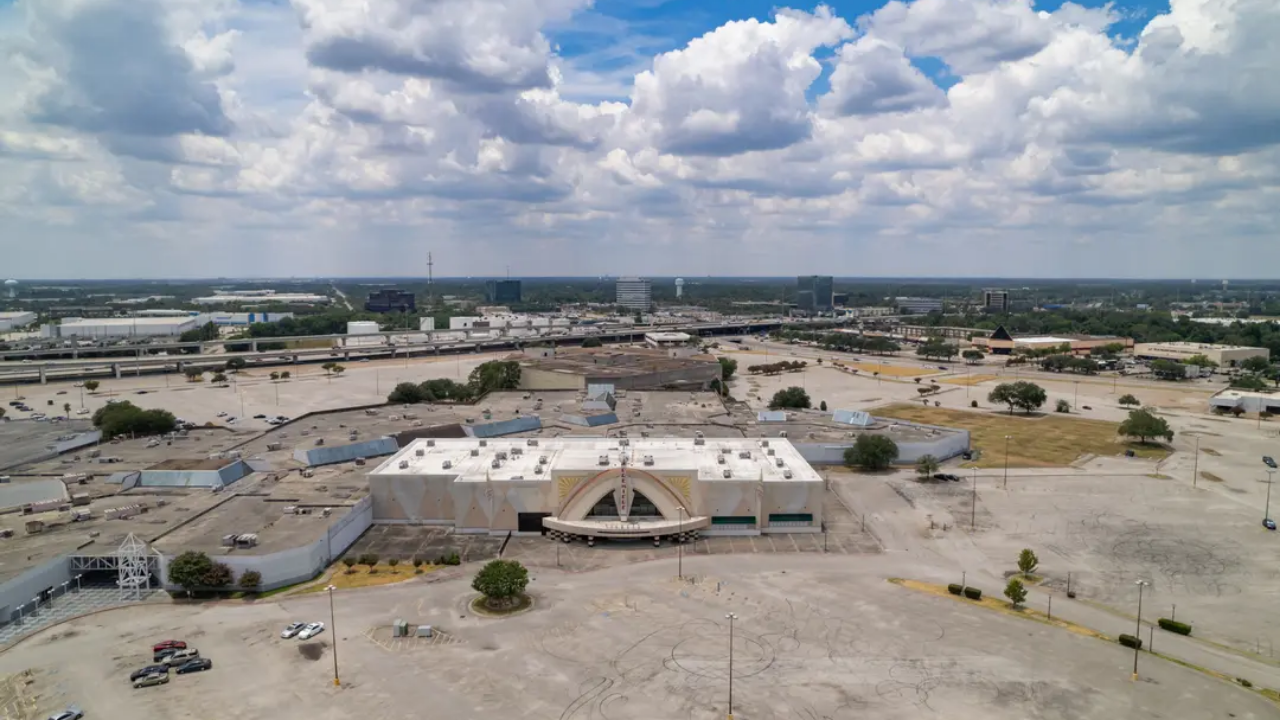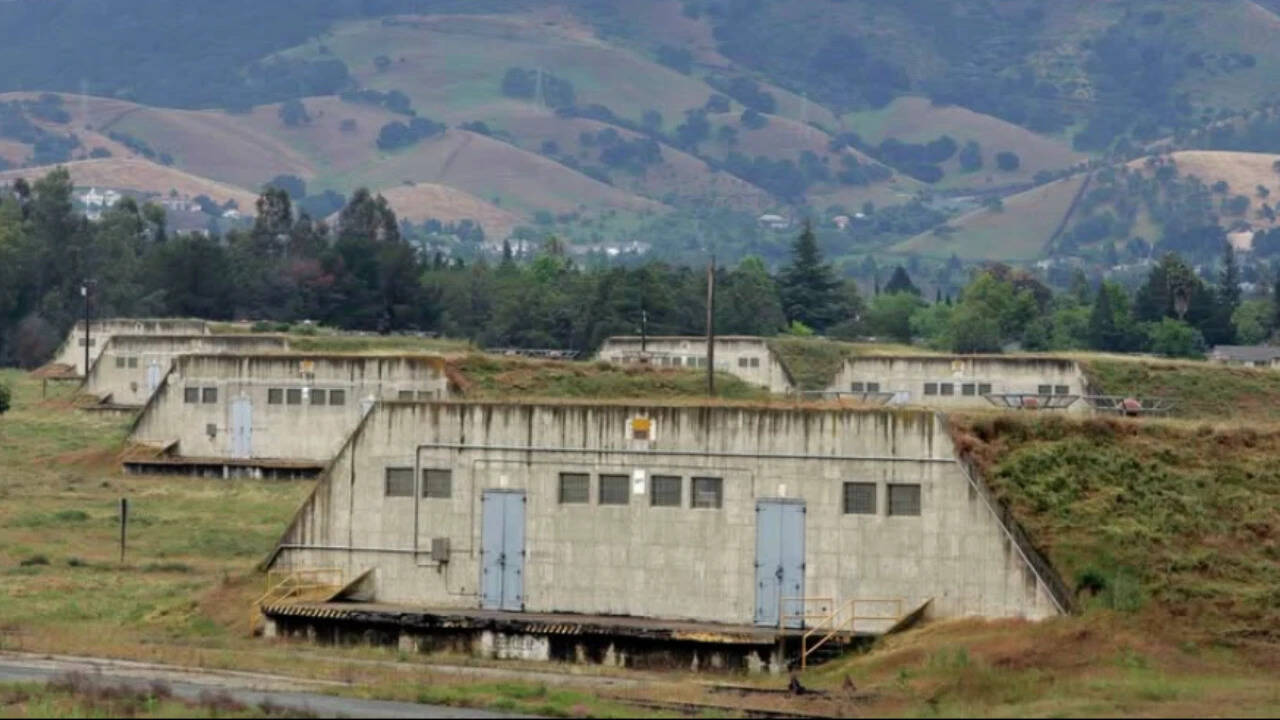
Everyone loves a clean redemption arc. Take a sprawling, contaminated 2,000-acre military installation, wipe the slate clean with a multi-million-dollar federal allocation, and magic up a shiny mixed-use urban village. It sounds like responsible municipal stewardship. It reads like a win for regional housing advocates.
It is also an economic hallucination.
When the US Navy recently rubber-stamped a $44.6 million deal to redevelop a former California weapons station, the mainstream media cheered. They painted the move as a masterclass in urban recycling, a direct strike against the housing shortage, and a triumph of public-private cooperation. They missed the entire point because they refuse to look past the press release.
I have spent two decades watching developers and local governments walk headfirst into the base conversion meat grinder. They see dirt, acreage, and federal backing, and they smell gold. They ignore the toxic legacy, the suffocating infrastructure deficits, and the crushing holding costs that turn these dream projects into municipal anchor weights.
Stop buying the fairy tale. Base redevelopment is rarely a boon for taxpayers or buyers. It is a slow-motion cash bonfire disguised as progress.
The Toxic Reality Behind The Ribbon-Cutting
Let us start with the elephant in the room that every optimist conveniently forgets: military installations are industrial-scale chemical dumps. When you manufacture, test, store, and decommission weapons over decades, you leave behind a cocktail of heavy metals, unexploded ordnance, volatile organic compounds, and per- and polyfluoroalkyl substances that make ordinary brownfields look like organic gardens.
The lazy consensus is that federal cleanup programs hand over pristine acreage ready for an excavator. Reality operates differently. The Department of Defense transfers property under the concept of "suitable for transfer," which is legal speak for "we cleaned it up enough to meet minimum regulatory thresholds for specific, often non-residential uses, good luck with your basement excavation."
When you dig into a former weapons station, you are not just breaking ground; you are opening a Pandora's box of historical liability. Cleanup costs routinely blow past initial estimates by orders of magnitude. The federal government allots a lump sum, walks away with a handshake, and leaves the local redevelopment agency holding the bag for cost overruns that materialize five years into mass grading.
If you think private developers absorb that risk, you do not understand capital markets. They price that uncertainty into every square foot, driving up final unit costs until the supposedly "affordable" or "workforce" housing project becomes a luxury enclave for venture capitalists who can stomach the risk profile.
The Infrastructure Fallacy
Proponents of base conversions love to talk about scale. A massive footprint means room for parks, commercial hubs, and thousands of residential units. What they ignore is that military bases were never designed to function as modern civilian municipalities.
A naval weapons station is an isolated enclave. It was built for secure transport, munitions storage, and controlled access, not pedestrian permeability or fiber-optic grid integration. The water mains are antiquated. The electrical substations are incompatible with contemporary commercial demands. The road networks consist of reinforced heavy-haul corridors designed to move semi-trucks loaded with ordnance, not a dense swarm of hybrid sedans and delivery vans.
When a developer inherits a base, they do not inherit a blank canvas. They inherit a hostile infrastructure desert.
Connecting a remote military base to surrounding municipal grids requires hundreds of millions in off-site infrastructure upgrades. You need arterial road expansions, new water treatment capacity, and massive electrical grid reinforcement. Who pays for this? The developer passes it to the municipality through special tax districts, or worse, the city issues municipal bonds that saddle local taxpayers with debt for thirty years.
You are not saving money by building on cheap federal land. You are front-loading immense infrastructural debt onto a site that starts from absolute zero.
The Location Curse
Real estate rule number one remains unassailable: location dictates value. Where are most military weapons stations located? They are placed far away from dense urban centers for obvious security and safety reasons. They sit on remote peninsulas, isolated coastlines, or vast inland expanses buffered from civilian populations.
Now try to build a high-density, transit-oriented housing community twenty miles outside the economic core of a major metropolitan area.
The standard pitch claims that once the housing is built, transit will follow. It rarely does. Commuters moving into these converted stations face brutal, soul-crushing commutes because the regional transit infrastructure cannot expand at the speed of suburban sprawl. You end up with bedroom communities stranded on the periphery of the region, completely dependent on personal vehicles, compounding the very traffic congestion that regional planners swore they would solve.
Workers do not want to live in an isolated bubble surrounded by historical ghosts and industrial remediation zones, no matter how many trendy coffee shops the master plan promises for the town square. By the time the commercial spaces actually lease up, the early residents have already suffered years of isolation and punishing commutes.
The Alternative Nobody Wants To Discuss
If we are serious about addressing housing supply and urban revitalization, we need to stop chasing vanity projects on contaminated federal land.
Instead of sinking $44.6 million—and the billions that will inevitably follow—into remote weapons stations, cities should focus capital where infrastructure already exists. Infill development on underutilized commercial parcels, strip malls, and parking lots within existing urban cores yields immediate housing density without requiring new highway interchanges or miles of primary water mains.
Sure, infill is politically messy. It faces NIMBY opposition, zoning battles, and complex parcel assembly. It lacks the sweeping, heroic narrative of turning swords into plowshares. But it works, it is financially sound, and it does not require an act of Congress or an army of environmental lawyers to break ground safely.
The naval base redevelopment model is a relic of a different economic era, kept alive by bureaucrats who need a win and developers who love capturing public subsidies for high-risk gambles.
Stop funding industrial cleanups disguised as housing initiatives. Let the bases return to nature, or keep them as industrial buffers, and build where people actually live, work, and want to stay.