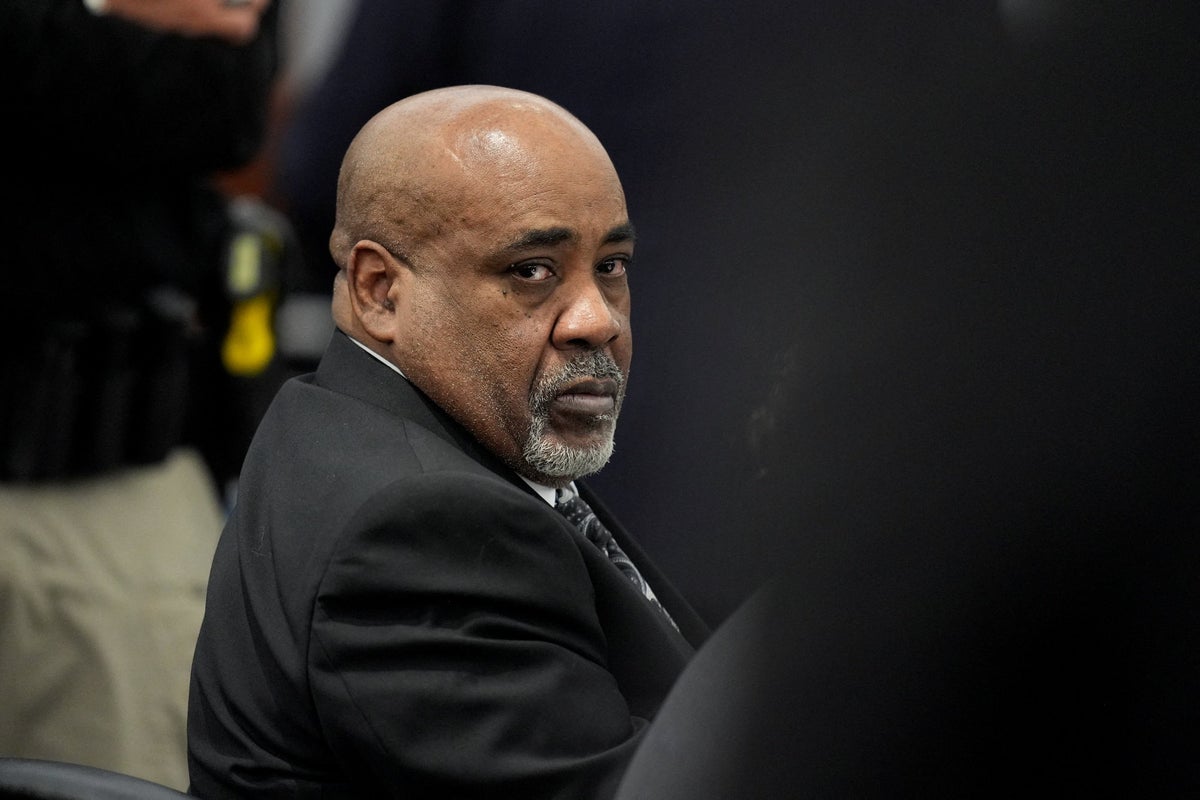
The courtroom in Las Vegas went dead silent this week as prosecutors displayed autopsy photos of Tupac Shakur. It’s been nearly three decades since the fatal drive-by shooting that claimed one of hip-hop’s greatest icons, yet the visceral reality of that night feels as raw as ever. For some family members present at the trial of Duane “Keffe D” Davis, the visual evidence was simply too much to bear. They left the room, choosing to protect their peace over witnessing the clinical, brutal details of the rapper’s final moments.
Others stayed. They sat through the testimony of Dr. Lisa Gavin, a forensic pathologist, who walked the court through the physical toll of those bullets. They saw the green body bag, the chest wounds, and the grim reality of the medical intervention that ultimately failed to save his life six days after the shooting. This isn't just a legal proceeding; it’s a long-overdue reckoning with a tragedy that has left a void in music and history for thirty years.
The Weight Of The Evidence
Watching a trial like this isn't easy. You’re forced to confront the difference between the legend—the Tupac who dominated charts and cultural conversations—and the reality of a 25-year-old victim of gang violence. Dr. Gavin’s testimony, while necessary for the prosecution, underscores the sheer brutality of what happened on that September night in 1996.
The jurors were shown images of Shakur’s body, including the chest tubes that remained from his brief time in the hospital. For those close to him, seeing these photos is a complicated part of the grieving process. As Zayd Akinyela, Shakur’s cousin, shared after the hearing, there is a profound need to understand the "how" and "why" of the death before true closure can even begin. Many people don't get the luxury of grieving until they’ve looked at the hard facts.
Why Keffe D Is Facing A Murder Charge
It’s important to understand why this trial is happening now, so long after the event. Duane “Keffe D” Davis is the only person still alive who was in the white Cadillac that night. He isn't accused of pulling the trigger, but prosecutors argue he orchestrated the entire operation. The motive? Revenge.
The state contends that the shooting was a direct retaliation for a brawl at the MGM Grand earlier that day. Tupac and his entourage had been caught on surveillance footage attacking Orlando “Baby Lane” Anderson, Davis’ nephew. Hours later, the retaliation was swift and lethal.
The prosecution’s case is largely built on Davis’ own words. He spent years bragging about his role in the killing, even writing a memoir titled Compton Street Legend in 2019 and giving various interviews to police and media. He practically handed the evidence to investigators on a silver platter. Now, his defense team is scrambling, trying to argue that his book was fictionalized and his past confessions were just hype.
The Reality Of The Legal Battle
Defense lawyers like Robert Draskovich have a massive uphill climb. They’re trying to distance Davis from the shooting by suggesting that the state’s reliance on witnesses who weren't physically present—or on a book that may have been ghostwritten or exaggerated—is flimsy. They also argue that Davis, who had been living a relatively quiet life before his 2023 arrest, is being unfairly targeted based on his past gang affiliations.
Yet, for the prosecution, the goal is clear. They want to prove that Davis provided the weapon and directed the hit, acting as the shot-caller for the South Side Compton Crips. If he’s convicted of murder with a deadly weapon with the intent to promote, further, or assist a criminal gang, he’s looking at life in prison.
Moving Toward Closure
If you’ve followed this story, you know the frustration of the "cold case" years. We’ve seen endless documentaries, conspiracy theories, and decades of silence. Seeing the case move through the court system—even with the painful imagery and the agonizingly slow pace—is a significant shift.
The family isn't just seeking a verdict; they’re seeking an acknowledgment of the truth. When you look at the trajectory of this case, it’s clear that justice in 2026 looks very different than it would have in the late 90s. The digital era of evidence—surveillance videos, memoirs, and recorded interviews—has replaced the rumors that defined the investigation for years.
There is no "happy" ending here. The autopsy photos are a stark reminder that a life was cut short, and a family is still picking up the pieces. Whether or not a jury decides that Keffe D is guilty, the trial itself serves as an official record of the violence that once plagued the industry. For now, the public and the family are left waiting for the final word from the jury. Keep an eye on the proceedings as the defense continues to challenge the mountain of evidence against Davis. The truth is finally being laid out, and it’s as messy and tragic as anyone feared.