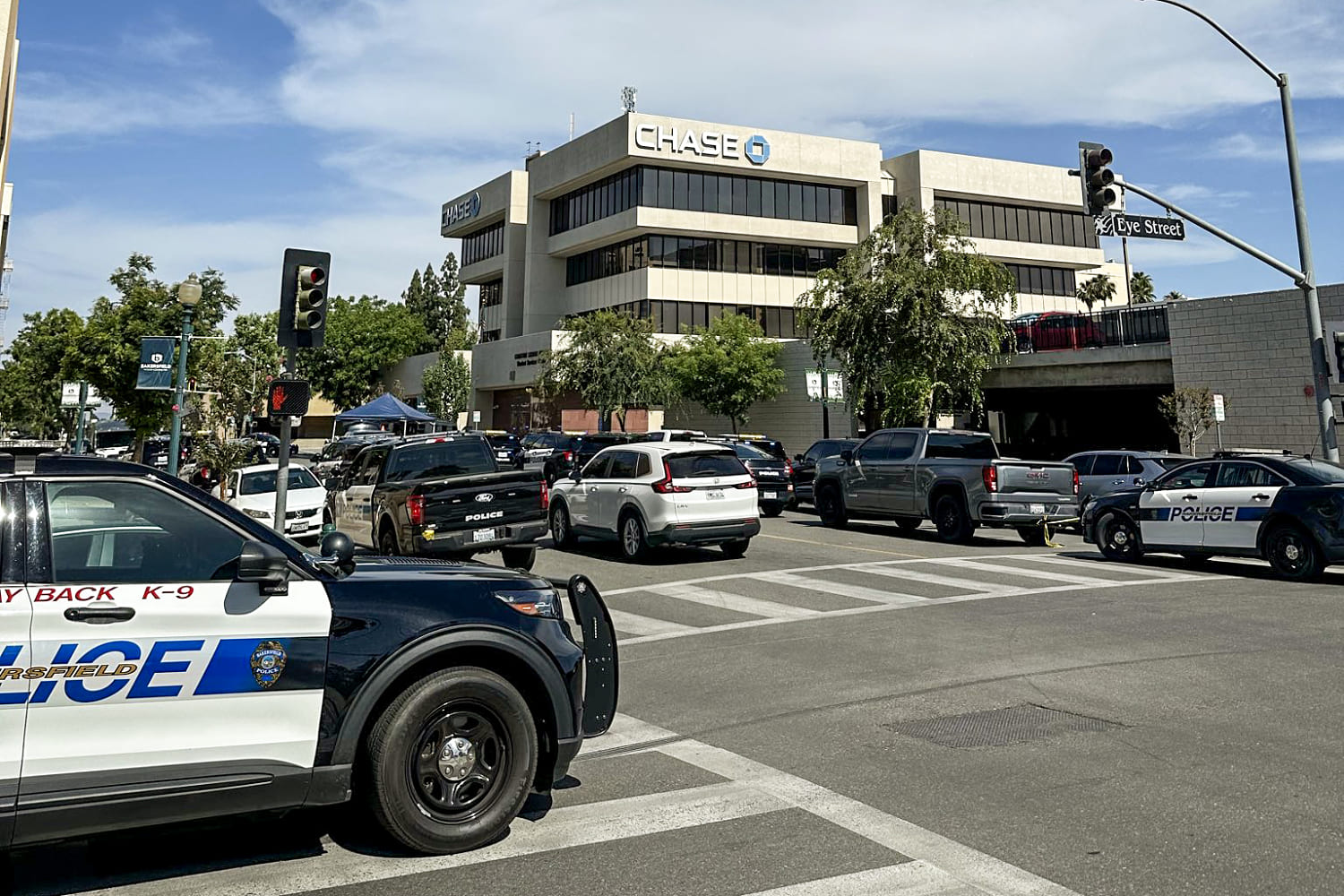
The fluorescent lights of a suburban bank branch have a specific, numbing hum. It is the sound of absolute predictability. On any given Tuesday morning, the air smells faintly of industrial carpet cleaner, stale coffee, and the crisp, distinct ink of freshly printed cashier’s checks. People stand in line with their shoulders slightly slouched, clutching paper deposit slips or staring blankly at the backs of each other's heads. We assume the ceiling will stay up. We assume the vault will stay locked. We assume the person behind the counter will hand over twenty-dollar bills, not a reason to run for our lives.
Then the phone rings.
When a bomb threat shattered the routine at a California Chase Bank location, it did more than disrupt a few wire transfers. It tore a hole in the invisible fabric of safety that we take for granted every time we step into a public square. We read the headlines the next day as cold data points: Evacuations ordered. Perimeter established. No devices found. But those words are just empty husks. They completely miss the sweat on a teller’s palms, the sudden, frantic grip of a mother pulling her child toward the glass doors, and the heavy, suffocating realization that the ordinary world can transform into a war zone in the span of a single breath.
To understand what actually happens when terror touches a quiet neighborhood block, you have to look past the police tape. You have to look at the people who were just trying to cash a paycheck.
The Fragility of the Ordinary
Consider a hypothetical teller named Elena. She is twenty-four, thinks about her car payment too much, and knows exactly which regular customers prefer their hundreds in twenties. When the call comes in, it doesn't sound like a movie trailer. There is no dramatic countdown music. Just a voice—sometimes calm, sometimes jagged—delivering a sentence that rewires the brain’s nervous system in an instant.
The immediate reaction to extreme danger is rarely a heroic leap. It is confusion. The mind rebels against the absurd. Did I hear that right? Is this a prank?
But protocol takes over because the alternative is paralysis. Within minutes, the mundane sanctuary of commerce becomes a trap. The glass walls that usually offer a view of the sunny parking lot suddenly feel like fragments of potential shrapnel. The heavy vault door, a symbol of security, looks like a barrier blocking the only way out.
When the evacuation order is given, the atmosphere shifts from boredom to a quiet, electric panic. People drop their pens. They leave their debit cards sitting in the chip readers. In the hierarchy of human survival, the paperwork of our lives becomes instant garbage. The only thing that matters is the distance between your body and the exit.
Outside, the air hits differently. The California sun is usually warm, but on a day like that, it feels cold against skin covered in sudden adrenaline.
The Shockwave on the Asphalt
We often think of an evacuation as a orderly line of people walking out to the sidewalk. It isn't. It is a scattered, chaotic bursting of a bubble.
First comes the sirens. They start as a distant whine, growing into a deafening, rhythmic roar that commands the street. Blue and red lights paint the stucco facades of neighboring strip malls. Passersby stop. Drivers slow down, their windows rolling down, their eyes darting to find the source of the commotion. Within fifteen minutes, a square block of a community is paralyzed.
The police arrived in force, establishing a perimeter that pushed the boundaries of fear outward. It wasn't just the bank anymore. The coffee shop next door, the dry cleaners, the small tech startup office on the second floor—all of them were swept up in the dragnet of precaution.
This is the hidden tax of a modern threat. It ripples. A single phone call made from a blocked number can freeze hundreds of thousands of dollars in local economic activity, disrupt childcare schedules, and send a wave of acute anxiety through people who were blocks away just buying groceries.
The bomb squad arrives with their heavy, alien-looking suits and robotic treaded vehicles. They move with a deliberate, agonizing slowness. Every step they take toward the building is a reminder of what might happen if they make a mistake. For the employees standing behind the yellow plastic tape across the street, watching those technicians enter the lobby is like watching someone walk into a dark room where a predator might be waiting.
They wait. The minutes stretch into hours. The sun moves across the sky, casting long shadows over the blacktop where bank managers and tellers stand shoulder-to-shoulder, shivering despite the weather, waiting for a sound that will change their lives forever, or a silence that means they can eventually go home.
The Cruel Geometry of the Hoax
Ultimately, the sweep revealed nothing. The building was cleared. The all-clear was given. The yellow tape was rolled back up and tossed into the trunk of a squad car.
To the outside world, this is a happy ending. The news cycle moves on to the next traffic delay or political skirmish. The incident is filed away as a false alarm, a footnote in the daily log of a suburban police department.
But a hoax is not harmless. It is a psychological assault.
The person who made that call achieved exactly what they wanted without ever needing a single ounce of gunpowder. They demonstrated that they could control the movements of dozens of people, command the resources of the state, and inject a profound sense of vulnerability into a community with nothing more than a smartphone and a malicious whim.
When the employees go back to work the next day, the bank is different. The hum of the lights sounds louder. Every time the phone rings, there is a split-second catch in the throat of whoever answers it. Every customer who walks through the door wearing a heavy coat or carrying a bulky backpack is scrutinized with an intensity that wasn't there forty-eight hours ago.
We want to believe that when the police leave, the safety returns. But trust is a mirror. Once it is cracked, you can glue it back together, but you can still see the lines where the reflection is broken.
The real damage of the California bank threat wasn't to the brick and mortar of the building. It was to the quiet confidence of the ordinary people who realized, on a random Tuesday, just how thin the line is between a normal day and a nightmare. They went home to their families that evening, kissed their children a little harder, and looked at the familiar streets of their town with eyes that had suddenly learned how to look for danger in the most predictable places.


