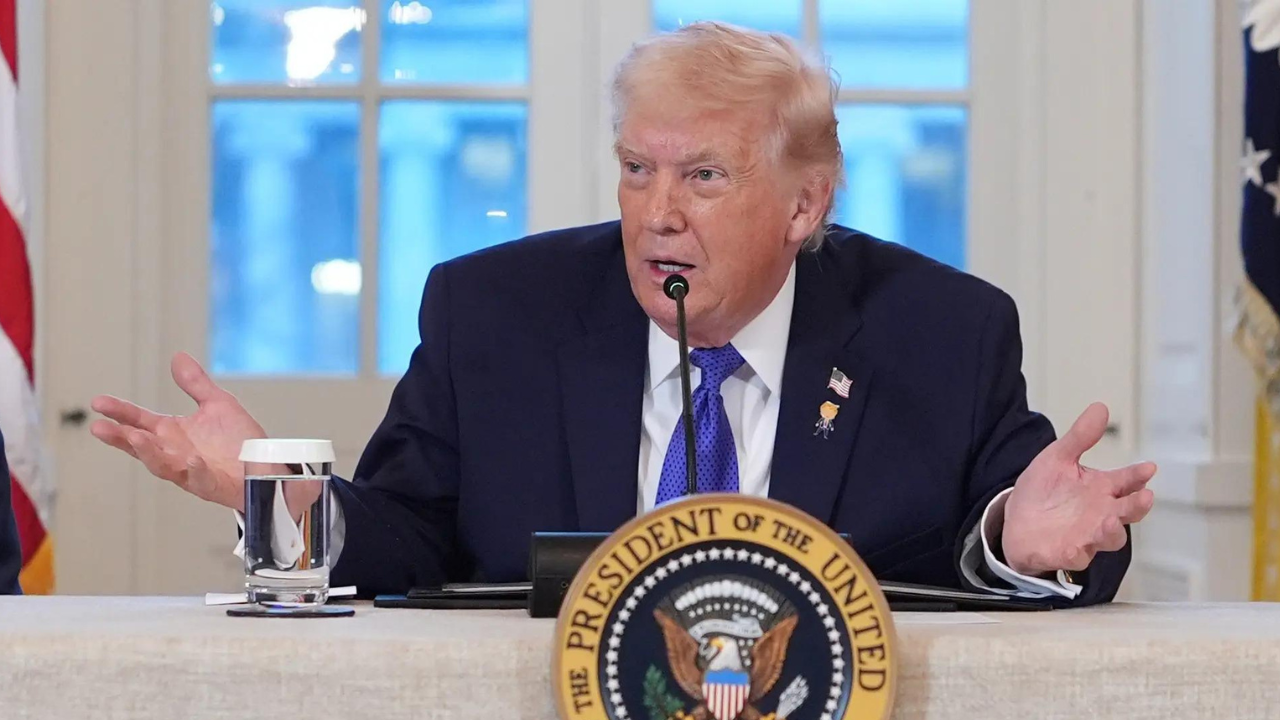
Donald Trump isn't playing the traditional diplomatic game with Tehran, and honestly, anyone expecting him to ease up early hasn't been paying attention. During his recent appearance on NBC's Meet the Press, the message was loud, clear, and characteristically blunt. There will be no upfront sanctions relief, no early unlocking of frozen assets, and Lebanon isn't getting tied to a short-term pact.
The administration is holding all the cards after the military campaign that kicked off on February 28, and they intend to use every bit of that leverage. Tehran wants its money back. Specifically, they are eyeing $24 billion in frozen funds as a test of trust, according to regime advisers. Trump's response is basically: prove you can behave first, and then we will talk about the cash.
This approach completely flips the script on conventional Washington diplomacy, which often uses partial, upfront sanctions relief as a carrot to get adversarial regimes to sit down. For Trump, the pressure stays at maximum until the ink is completely dry on a final accord.
The Sticking Point of Frozen Billions
Tehran is desperate to reopen the Strait of Hormuz and rescue an economy battered by hyperinflation and infrastructure damage. Rumors have been swirling about a draft memorandum of understanding that would implement a 60-day ceasefire extension. Iranian officials even floated a two-phase plan to the media, claiming a deal would initially unlock $12 billion in frozen assets and lift the U.S. naval blockade on Iranian ports.
Trump completely shut that narrative down. When asked directly if he would unfreeze assets or lift penalties upfront, his answer was a flat "No."
The logic here is simple. The White House views Iran's current willingness to negotiate not as a change of heart, but as a direct consequence of being backed into a corner. U.S. intelligence estimates indicate that the recent military strikes have severely dented Iran's capabilities, with Trump claiming the regime retains only about 21% to 22% of its pre-war missile stockpile. Giving up billions in leverage before securing a permanent, verifiable treaty would ruin the strategic advantage built over months of conflict.
The Nuclear Stash and the Military Threat
The real prize for Washington isn't just a temporary halt to shooting. It's the total elimination of Iran's highly enriched uranium stockpile, which reached critical levels after the collapse of the old framework. Trump revealed that while negotiators have mostly agreed on basic language prohibiting Iran from possessing nuclear weapons, the mechanics of destroying the actual material remain a major hurdle.
The administration's plan for a successful deal involves sending American teams and equipment directly into Iran to remove and destroy the highly enriched uranium on-site or off-site.
The alternative is grim. If diplomacy stalls, Trump made it clear that the alternative path is an aggressive military operation to take out the facilities permanently. It's a classic high-stakes strategy. He is presenting the new Iranian leadership—led by Supreme Leader Mojtaba Khamenei—with a stark choice: hand over the material voluntarily under a joint framework, or watch the U.S. destroy it by force.
Uncoupling Lebanon from the Equation
Another major takeaway from the recent remarks is the separation of the Iran peace talks from the fragile situation in Lebanon. While regional actors like Pakistan have tried to bundle the conflicts together into a broad regional truce, the White House is refusing to let the Beirut theater stall a direct agreement with Tehran.
Iran and its regional proxies have previously demanded that any ceasefire must completely restrain operations in Lebanon. However, Trump clarified that while Lebanese leaders would certainly like to see their situation included in a short-term deal, it is not an American demand.
By treating Lebanon as a separate issue, the administration prevents regional proxy dynamics from hijacking the core objective: neutralizing Tehran's nuclear ambitions and forcing a radical change in its stance toward the United States. It forces the Iranian regime to negotiate for its own survival rather than hiding behind its regional network.
What Happens Next
The clock is ticking on the current indefinite ceasefire framework, and the path forward requires concrete actions rather than diplomatic pleasantries. If you are watching this situation develop, these are the real indicators that will signal whether a genuine breakthrough is happening:
- Watch the Uranium Transit: Look for specific logistical agreements regarding the entry of U.S. personnel and specialized equipment into Iranian territory. If Tehran blinks and allows American tech to dismantle its 60% enriched stockpiles, a final deal is real.
- Track the Naval Blockade: Do not expect the U.S. naval blockade of Iranian ports to ease up an inch. Any premature movement of naval assets away from the Strait of Hormuz would signal a shift in Washington's stance, but for now, the maritime chokehold remains firm.
- Monitor the $24 Billion Fight: Disregard any claims from Tehran about phased asset releases. The true metric of success is whether Iran accepts a deal where the financial reward comes strictly after full compliance and verification.
The conflict has passed its 100-day milestone, and the economic toll on Iran is becoming a permanent social condition marked by systemic scarcity. Tehran is proud and stubborn, but they are rapidly running out of choices. The administration knows it, and they aren't going to loosen the economic vice until they get exactly what they want.