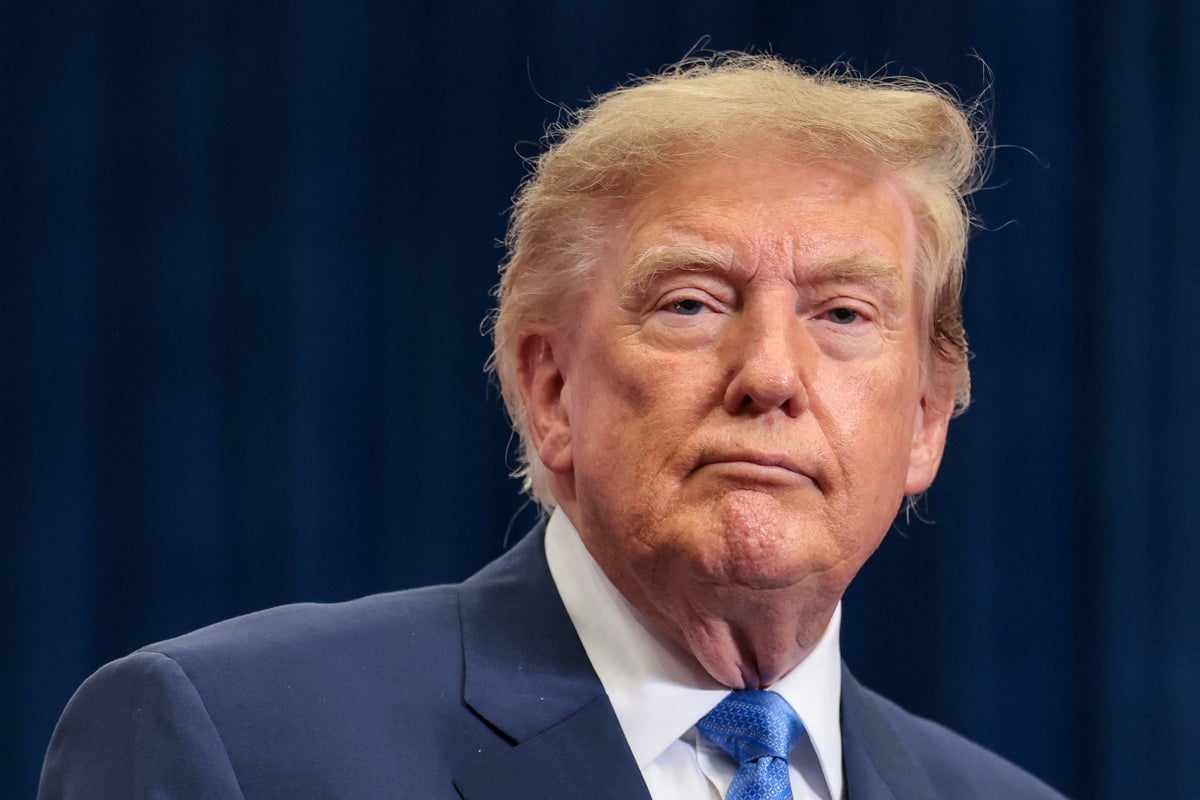
The fragile month-long lull in the Middle East just shattered. Donald Trump is promising to hit Iran hard after American and Iranian forces traded direct strikes for the first time in weeks.
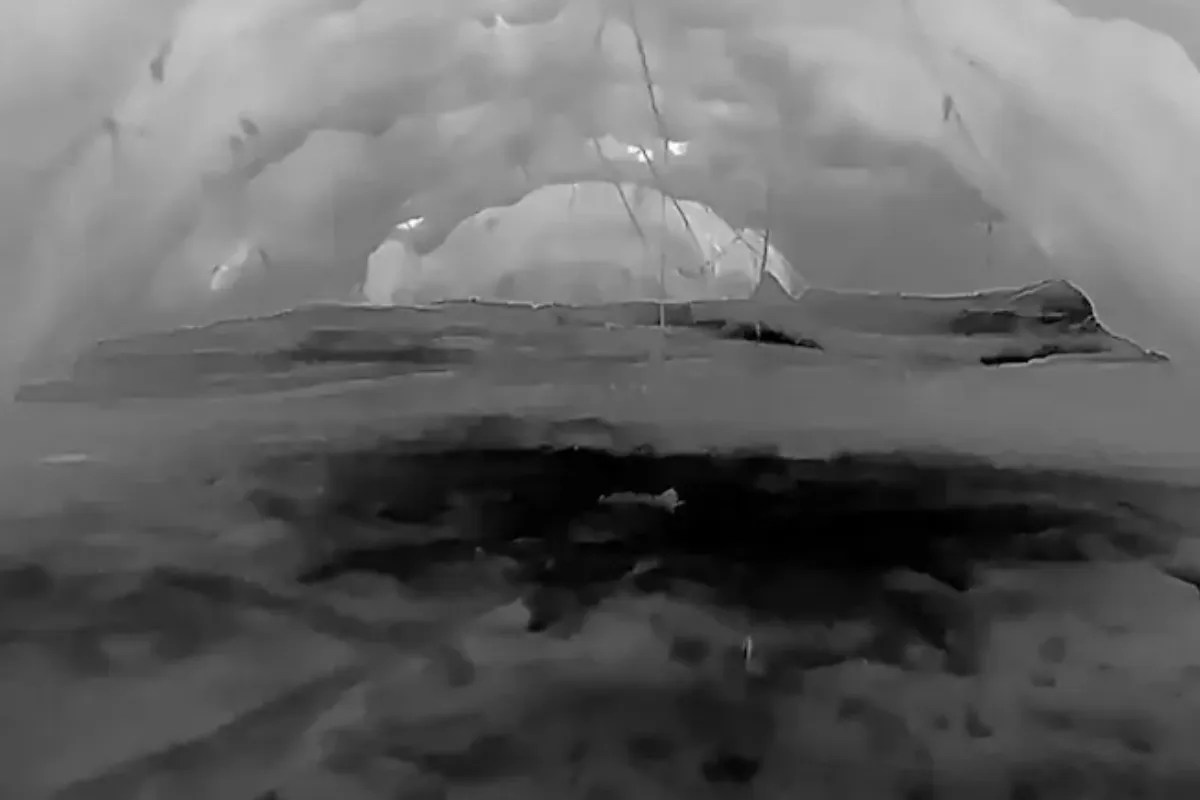
If you thought the six-month stalemate in the Persian Gulf was turning into a quiet diplomatic thaw, think again. US Central Command launched precise strikes against Iranian rocket launchers stationed on Larak Island in the Strait of Hormuz. Washington claimed the Islamic Revolutionary Guard Corps was positioning smart mines to choke off commercial shipping again. Tehran fired back overnight, launching a barrage of missiles and drones targeting American military assets in Jordan and intercept vectors near the United Arab Emirates. You might also find this related article insightful: The Royal Whisper That Swallowed the News.
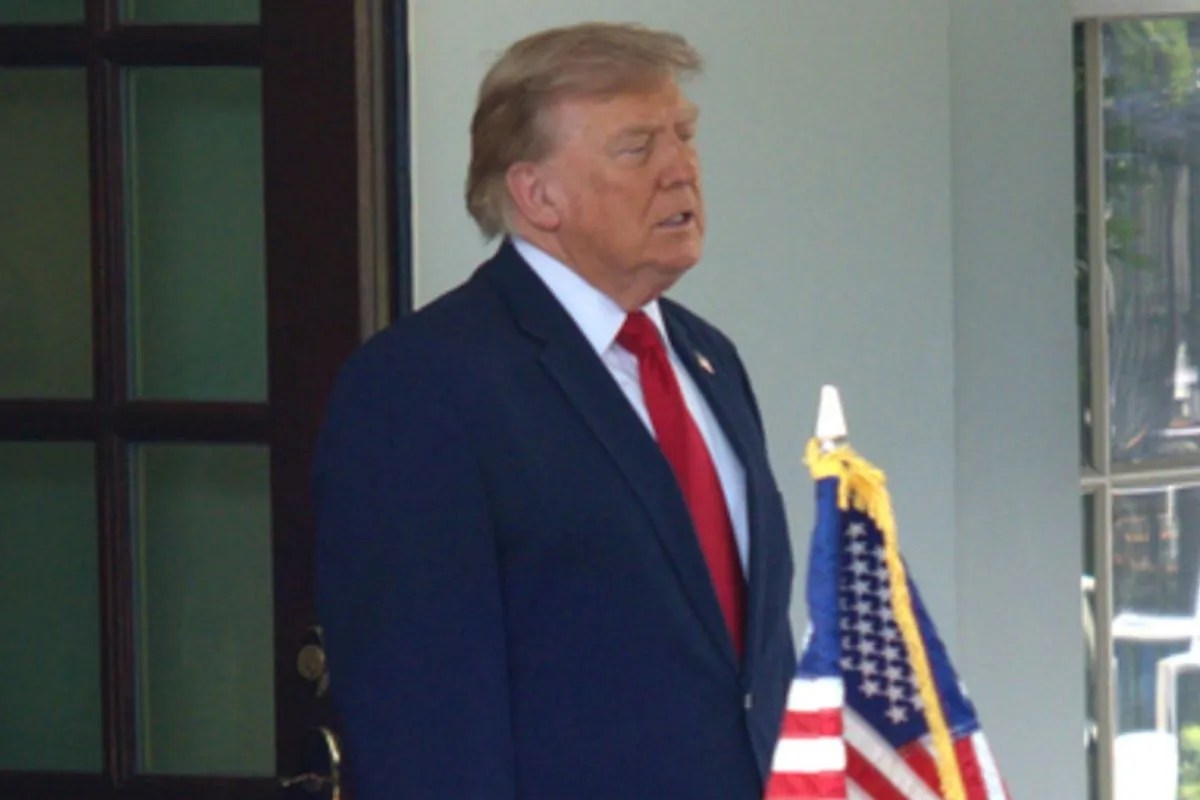
Trump didn't mince words when reacting to the retaliation. "We're going to hit them hard," he stated in an interview with Fox News. "There will be a response."
The Economic Pressure Cooker
Beneath the military flare-up lies a brutal financial war. Treasury Secretary Scott Bessent insists that Tehran is lashing out kinetically because it is losing economically. The White House has leaned heavily into a fresh campaign of secondary sanctions designed to squeeze the regime's remaining oil lifelines and foreign currency access. As highlighted in detailed coverage by Al Jazeera, the effects are significant.
Bessent claims the Iranian economy is facing catastrophic stress under the weight of these financial penalties. Yet, reality on the ground tells a messy story. Independent tracking data shows millions of barrels of crude still finding ways out through clandestine channels, proving that sanctions alone haven't broken the regime's resolve.
When economic warfare fails to force a total collapse, kinetic action fills the void. That is why Larak Island became a target. Positioned directly in the throat of the strategic waterway, the island serves as an observation and launch pad for anti-ship threats. Knocking out launchers there is supposed to secure the passage. But every time Washington punches, Tehran swings back just enough to prove the waterway remains a contested warzone.
Why the Strait of Hormuz Remains the Ultimate Flashpoint
Before this conflict began, roughly a fifth of the world's seaborne energy supply flowed through the Strait of Hormuz. Controlling it means controlling global oil prices. Whenever missiles fly over its waters, markets react instantly. Crude prices surged over three percent immediately following the latest exchange, pushing back above $90 a barrel.
The White House insists the US military has cleared the waterway and restored safe navigation. Tanker tracking agencies and regional shipping entities frequently contest those claims. Real security doesn't exist when surface drones and programmable mines can reappear overnight.
Iran's strategy relies on keeping the political cost high for Washington. With crucial US midterm elections looming, an entanglement that keeps inflation high and energy markets volatile is the exact opposite of what the current administration wants. Tehran knows this. They are betting that mounting domestic pressure in America will eventually force a policy retreat.
What Happens When Deterrence Fails
Deterrence is currently failing on both sides. Washington believes heavier strikes will coerce Iran back to the negotiating table. Tehran believes that matching every American escalation with regional missile fire will prove the cost of containment is unsustainable.
Vice President JD Vance recently pointed to social media messaging—including provocative digital clips regarding key export terminals like Kharg Island—as proof that Washington is sending an unmistakable warning about commercial shipping attacks. Dismissing these warnings as mere digital bluster is a dangerous gamble for the regime.
Expect further kinetic responses in the coming days. The targeted infrastructure on Larak Island and the retaliatory barrages hitting coalition positions in Jordan show that both militaries are locked in an active escalation cycle. Diplomacy remains completely stalled because neither side trusts the other enough to make the first concession. Keep a close eye on energy markets and global shipping insurance rates. They will tell you how bad the next escalation wave is going to get long before the official statements are published.