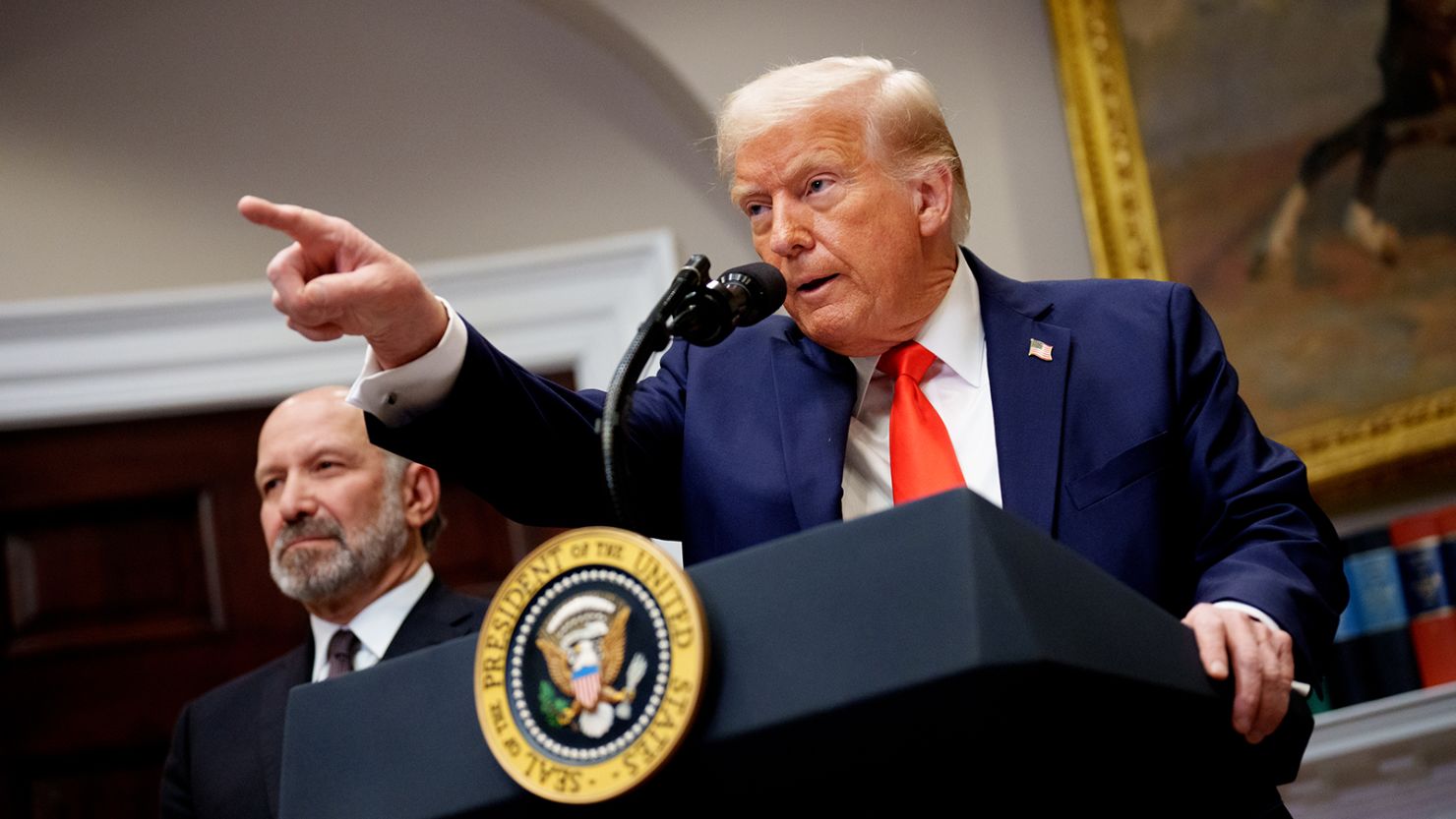
The global economy is currently staring down the barrel of a $100 oil price, and all eyes are on a narrow strip of water that most people couldn't find on a map two years ago. As President Trump lands in Beijing today, he’s already sucked the air out of the room. Before his wheels even touched the tarmac, he made it clear: he doesn't need President Xi Jinping’s help to fix the mess in the Strait of Hormuz.
It’s a classic high-stakes gamble. For 75 days, the world’s most critical maritime chokepoint has been effectively paralyzed. We’re talking about a waterway that usually handles 20% of the world’s oil and gas. Now, it’s a parking lot of over 1,500 stranded vessels and 22,000 trapped mariners. Shippers are desperate for a way through, and while Beijing wants to play the role of the grand mediator, Trump is signaling that the U.S. will dictate the terms of the endgame—with or without China’s "blessing."
The reality of the Hormuz blockade
Don't let the diplomatic talk fool you. The situation on the water is grim. Since the joint U.S.-Israeli strikes on February 28, the Strait has been a ghost town for Western shipping. Iran hasn't just sat back; they've tightened their grip by introducing a "permit-based" transit system. Basically, if you want to pass, you have to answer a 40-item questionnaire from the Persian Gulf Strait Authority (PGSA) and, more importantly, pay a toll.
Tehran is treating one of the world's most vital international waterways like a private driveway. They’re specifically targeting nations that comply with U.S. sanctions, making it nearly impossible for major carriers like Maersk or Hapag-Lloyd to operate without risking a total loss.
Trump’s "we don't need help" stance is a direct challenge to this new status quo. He’s betting that U.S. military pressure and the sheer economic weight of the "Project Freedom" maritime operation will force Iran’s hand. By downplaying China’s role, he’s also trying to prevent Beijing from using the crisis as leverage in trade negotiations.
Why China’s mediation is a double-edged sword
Beijing is itching to step in. They’ve already been talking to Iranian Foreign Minister Abbas Araghchi, trying to position themselves as the only adults in the room who can talk to both sides. To China, "helping" means brokering a deal where they look like the heroes of global trade while likely securing long-term energy discounts from Tehran.
Trump isn't buying it. He knows that if China negotiates the reopening of the Strait, the U.S. loses its primary seat at the table in the Middle East. It would be a massive shift in the global power dynamic.
- Energy security: China is shielded slightly by its massive coal reserves and renewable growth, but high oil prices still hurt their manufacturing base.
- The "Toll" problem: Interestingly, both the U.S. and China actually agree on one thing: nobody should be allowed to charge tolls in the Strait. It’s a rare moment of alignment, but Trump is careful not to let this shared interest turn into a partnership.
- The Pakistan factor: While Trump ignores Xi, he’s surprisingly vocal about Pakistan's role. Using Islamabad as a back-channel mediator allows the U.S. to bypass China’s influence while still having a line of communication to Tehran.
The shipping industry is done waiting
If you’re a logistics manager or a CEO, you don't care about the geopolitics—you care about your containers. Right now, the "Cape of Good Hope" route has gone from a backup plan to the standard operating procedure. But that adds weeks to transit times and millions to fuel costs.
Major hubs like Jebel Ali are seeing unprecedented congestion. It’s a mess. Businesses are no longer treating this as a "short-term disruption." They’re actively rerouting everything from IT hardware to industrial parts through Saudi Arabia’s East-West pipeline to the Red Sea, bypassing Hormuz entirely.
What this means for your wallet
Expect the volatility to continue. Trump’s refusal to involve China suggests he’s leaning into a more aggressive, unilateral strategy. Whether that’s more strikes or a more robust naval escort system under "Project Freedom," the goal is clear: total U.S. control over the resolution.
If you’re waiting for "normal" shipping rates to return, don't hold your breath. Most analysts are looking at a four to six-month window before we see anything resembling a regular schedule through the Persian Gulf.
Next steps for businesses and observers:
- Audit your transit assumptions: If your supply chain relies on the Middle East, assume the Strait is a "no-go" for the rest of 2026.
- Monitor the "Board of Trade": Trump is setting up a new body to oversee trade with China. This is where the real horse-trading will happen, even if he says he doesn't need them for Iran.
- Watch the insurance premiums: Marine insurance for the Gulf is through the roof. If those rates start to dip, it’s the first real sign that the back-room deals are actually working.
Trump’s arrival in Beijing wasn't just a state visit; it was a reminder that he intends to run the show his way. The "Hormuz Toll" might be the one thing that brings everyone to the table, but the U.S. is making sure it's the one holding the gavel.