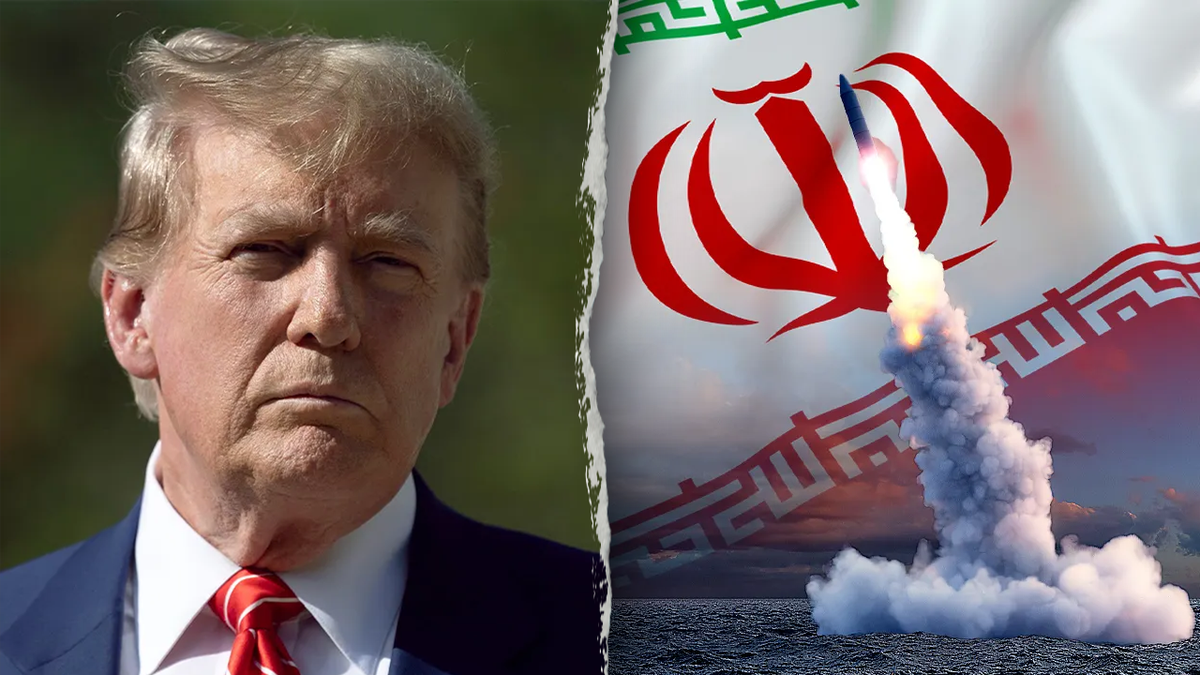
Donald Trump isn't just predicting the end of the US-Israel-Iran war; he's already planning the after-party. Speaking to reporters on the White House lawn this week, the president looked remarkably relaxed for a man overseeing a three-way military conflict. He’s convinced a "very big" deal is coming, and he's already promised to host a massive celebration at 1600 Pennsylvania Avenue once the ink is dry.
It’s classic Trump. While the world watches the 10-day ceasefire between Israel and Lebanon with bated breath, the president is busy signaling that the much larger conflict with Tehran is basically settled. He claims the US is "very close" to a breakthrough that would see Iran hand over its "nuclear dust" and reopen the Strait of Hormuz for good.
But behind the talk of parties and victory laps, the reality on the ground is a lot more complicated.
The party at the White House and the deal on the table
Trump’s confidence stems from what he describes as "very deep negotiations" happening right now. Vice President JD Vance has been on the ground in Islamabad, Pakistan, leading a team through marathon sessions with Iranian representatives. Trump’s pitch is simple: Iran is broke, their military has been "totally defeated" in recent skirmishes, and they’re ready to cave.
The proposed deal allegedly goes beyond a simple ceasefire. Trump says it includes:
- Iran renouncing nuclear weapons for a period "beyond 20 years."
- The immediate return of all enriched nuclear material to the US.
- The permanent reopening of the Strait of Hormuz to global shipping.
- Massive relief from the naval blockade currently strangling Iranian ports.
Honestly, if he pulls this off, it’ll be the biggest diplomatic win of his career. He’s already framing it as the ultimate inflation-buster, claiming that "free oil" will flood the market and send prices at the pump crashing. But let’s be real: Iran has denied some of these claims, specifically the part about handing over all their nuclear material.
Why the 10 day ceasefire is the real test
The current 10-day truce between Israel and Lebanon, which kicked off on April 16, 2026, is the trial run. It’s the first time we’ve seen a real pause in the fighting since the joint US-Israeli strikes began on February 28.
Trump personally brokered this part of the puzzle by talking to Benjamin Netanyahu and Lebanese President Joseph Aoun. It’s a fragile peace. The Lebanese army has already complained about "ceasefire violations" from the Israeli side, including shelling in southern villages. Meanwhile, Israel’s Defense Minister Israel Katz isn’t exactly playing the diplomat; he’s warned that if Tehran doesn't sign the dotted line, the next round of strikes will be "even more painful."
The blockade stays until the transaction is complete
Don’t expect the US Navy to sail away just because there’s a ceasefire. Trump was very clear about this: the blockade of Iranian ports remains in "force and effect" until the deal is "100 percent complete."
This is the leverage. US Central Command reported that American forces turned around 14 vessels in just 72 hours following the start of the blockade. The US is effectively holding Iran’s economy hostage to ensure they don’t walk away from the table in Islamabad.
What happens if the deal falls through
Trump says he isn't sure the ceasefire even needs to be extended. To him, the deal is so close that he’s already thinking about the guest list for his White House bash. But if the weekend talks in Pakistan fail, he’s warned that "fighting resumes."
There’s no middle ground here. Either we get a historic peace treaty and a White House party, or we see a massive escalation that could draw in NATO allies who have, so far, stayed on the sidelines. Trump’s frustration with NATO is no secret; he’s already lashed out at them for not joining the "smaller situation" in the Middle East after the US spent trillions on Ukraine.
If you’re watching the markets, keep an eye on the Strait of Hormuz. Iran says it’s open for now, but that can change in a heartbeat if the negotiations hit a snag. The next 48 hours in Islamabad will tell us if we’re actually heading for a party or a much longer, darker conflict.
Keep your eyes on the official CENTCOM updates and the price of crude. If the deal is as close as Trump says, we’ll see it reflected in the markets before the first toast is made at the White House.