Donald Trump just pulled off a classic political pivot, and it tells us everything about how Washington actually works under pressure.
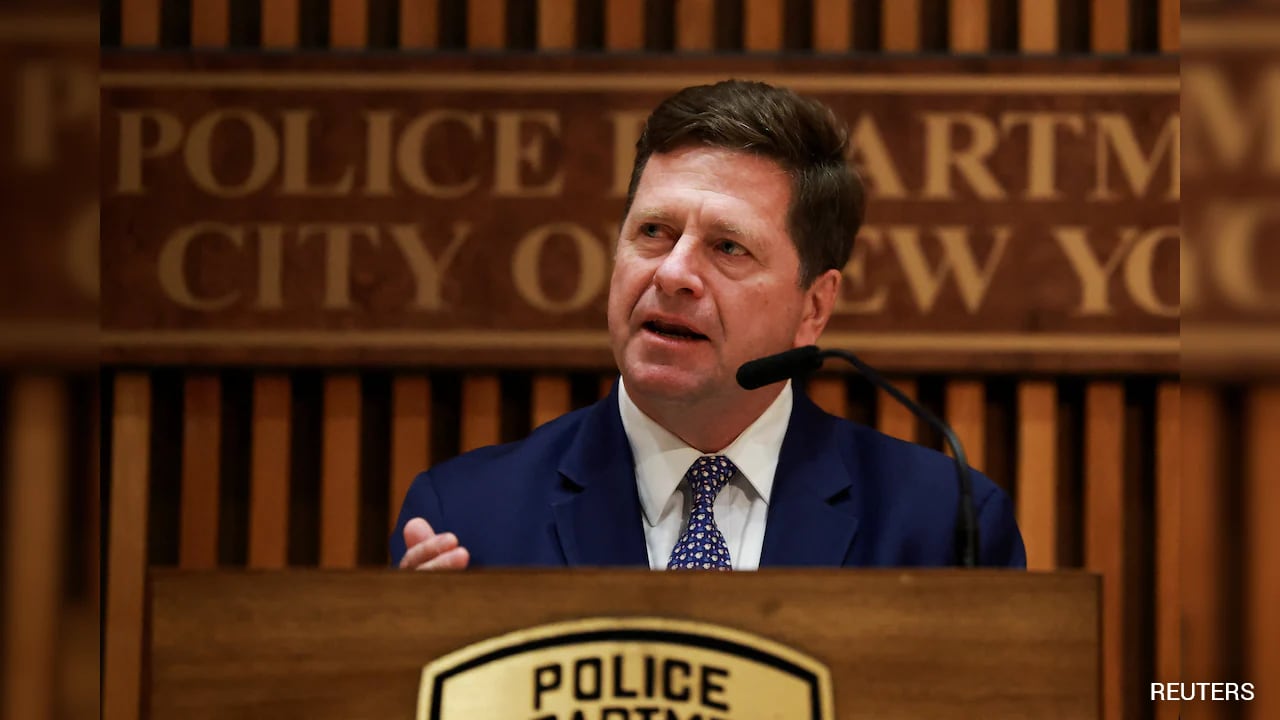
By nominating Jay Clayton, the current U.S. Attorney for the Southern District of New York and former SEC Chairman, to be the next Director of National Intelligence (DNI), Trump isn't just filling a vacancy. He's trying to rescue a sinking legislative ship. The White House faced a fierce, bipartisan revolt over its previous plan to install Bill Pulte as acting spy chief. That backlash got so bad it literally torpedoed the renewal of Section 702 of the Foreign Intelligence Surveillance Act (FISA), a tool the government considers absolutely vital for national security.
Let's look past the typical talking points. This appointment has very little to do with traditional spycraft and everything to do with stopping a bleeding wound on Capitol Hill.
The Pulte Backlash and the FISA Collapse
To understand why Clayton is suddenly the nominee, you have to understand the absolute mess that unfolded over the last week. Tulsi Gabbard stepped down as DNI after 15 months due to a tragic personal situation involving her husband’s health. Trump immediately tapped Bill Pulte, a staunch loyalist and the current head of the Federal Housing Finance Agency, to step in as the acting chief on June 19.
That choice went over like a lead balloon.
Pulte has zero intelligence background. Worse, from the perspective of congressional critics, he has a track record of using his official positions to launch investigations into Trump’s political adversaries. Democrats and a surprising number of Republicans balked. The tension peaked when Congress stubbornly refused to pass a short-term extension of the Section 702 surveillance program because they didn't want Pulte holding the keys to the kingdom. The House failed to pass the bill and went on recess. The spy tool is expiring, and the intelligence community is panicking.
Enter Jay Clayton. Trump needs someone respected enough to sail through a Senate confirmation and calm the waters. CIA Director John Ratcliffe personally recommended Clayton for the gig, and Trump bought in. Senate Select Intelligence Committee leaders didn't waste any time, setting a confirmation hearing for June 17.
A Spy Chief Without Spy Experience
If you look at Clayton's résumé, you won't find a single day spent running covert operations or analyzing satellite imagery. He's a corporate lawyer through and through.
Before his time in public service, Clayton was a heavyweight partner at the elite law firm Sullivan & Cromwell. He spent the 2008 financial crisis negotiating massive Wall Street bailouts, including JPMorgan’s buyout of Bear Stearns and Barclays Capital grabbing Lehman Brothers' distressed assets.
Trump brought him into government in 2017 to chair the Securities and Exchange Commission, a job he held until late 2020. Then, in 2025, Trump put him in charge of the Southern District of New York (SDNY). Even that appointment skipped the usual path. When his Senate confirmation stalled, federal judges in Manhattan took the unusual step of appointing Clayton themselves to keep the office moving.
While at SDNY, Clayton hasn't been invisible. He signed off on the massive indictment against Venezuelan President Nicolás Maduro following a dramatic CIA capture in Caracas. He also launched an initiative letting corporations dodge criminal charges if they voluntarily blow the whistle on their own financial fraud.
The Plan to Shrink the Office
What does a Wall Street guy do with 18 separate intelligence agencies? If Trump gets his way, he might just shrink the whole apparatus.
Sources close to the situation reveal that Trump wants Pulte—who is still scheduled to take over as acting director for a brief window on June 19—to aggressively scale back the Office of the Director of National Intelligence. The endgame is to hand Clayton a significantly smaller, streamlined operation. Instead of acting as a massive bureaucratic hierarchy, the office would focus almost entirely on basic coordination between the 17 other components of the intelligence community.
This corporate restructuring angle fits Clayton's skill set perfectly. He's a manager, not an operative. Senate Majority Leader John Thune immediately praised the choice, calling Clayton an "incredibly competent manager."
The Hurdles Standing in the Way
Don't expect this confirmation to be entirely smooth sailing. Even though the Senate wants to resolve the FISA stalemate, Clayton brings his own baggage to the table.
First, there’s a legal question. By law, the DNI is supposed to possess extensive national security expertise. Clayton simply doesn't have it. Expect opposition senators to grill him intensely on how a career financial lawyer can effectively oversee global espionage operations.
Second, his recent public commentary is raising eyebrows. Just days before his nomination, Clayton appeared on CNBC’s "Squawk Box" and echoed Trump's complaints about the slow primary vote counting process in California, claiming the system leaves open an "opportunity for fraud."
Then there are his past corporate clients. During his private practice days, Clayton defended Deutsche Bank in a major sanctions-evasion case involving Russian oligarchs. You can bet that relationship will get a very close look during his June 17 hearing. Furthermore, under Attorney General Pam Bondi, Clayton was tasked with investigating the late Jeffrey Epstein's ties to prominent Democrats. The status of that probe remains a mystery, but senators will want answers.
The path forward requires watching two specific pressure points. Watch the Senate Intelligence Committee hearing on June 17 to see how Clayton handles questions regarding his total lack of intelligence credentials and his recent comments on election integrity. Additionally, keep an eye on whether Senate Democrats successfully secure a firm guarantee from the White House that Bill Pulte's temporary stint as acting director will be strictly limited. If those two pieces fall into place, expect a rapid confirmation aimed at resurrecting the lapsed FISA surveillance tools.


