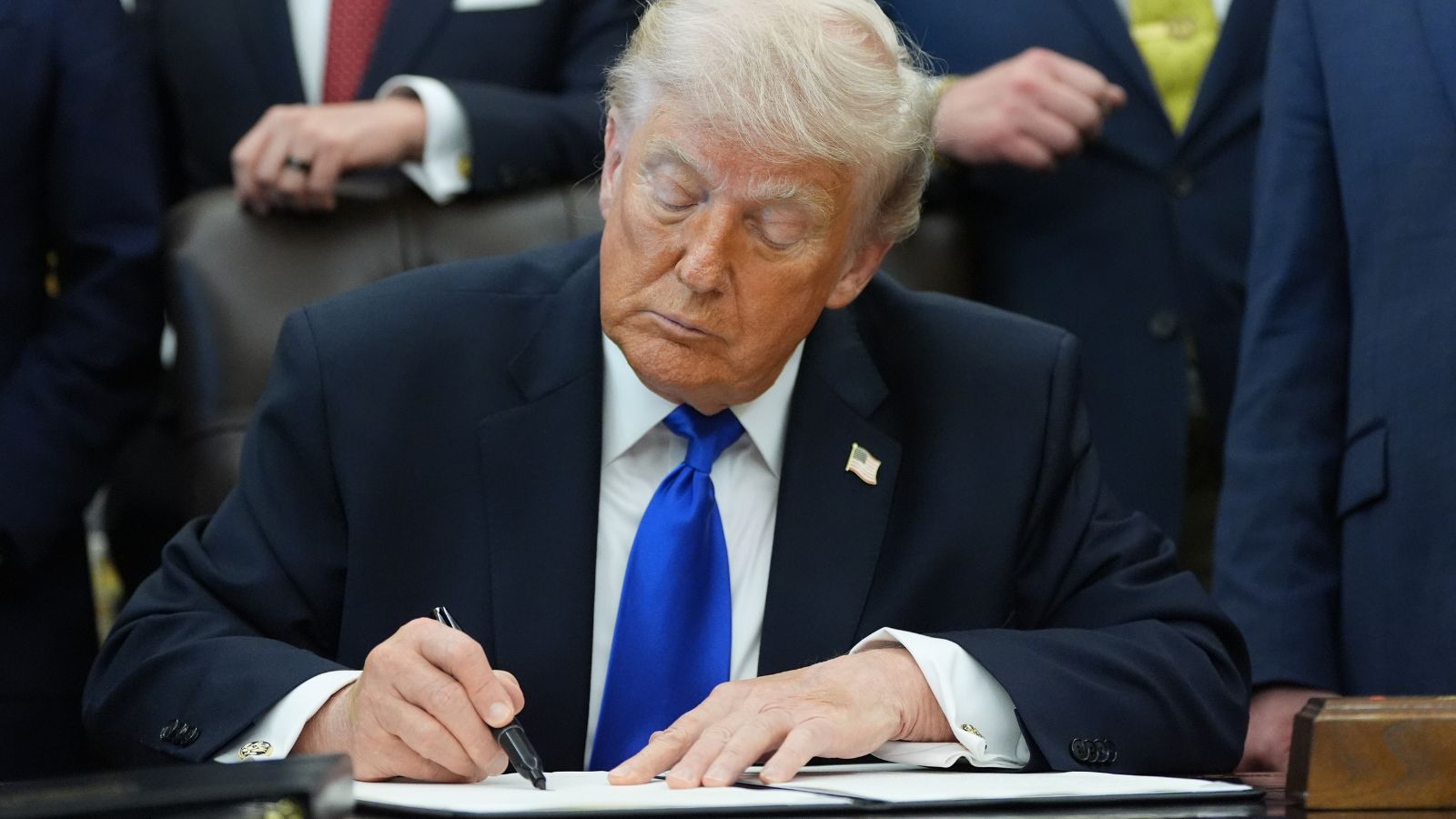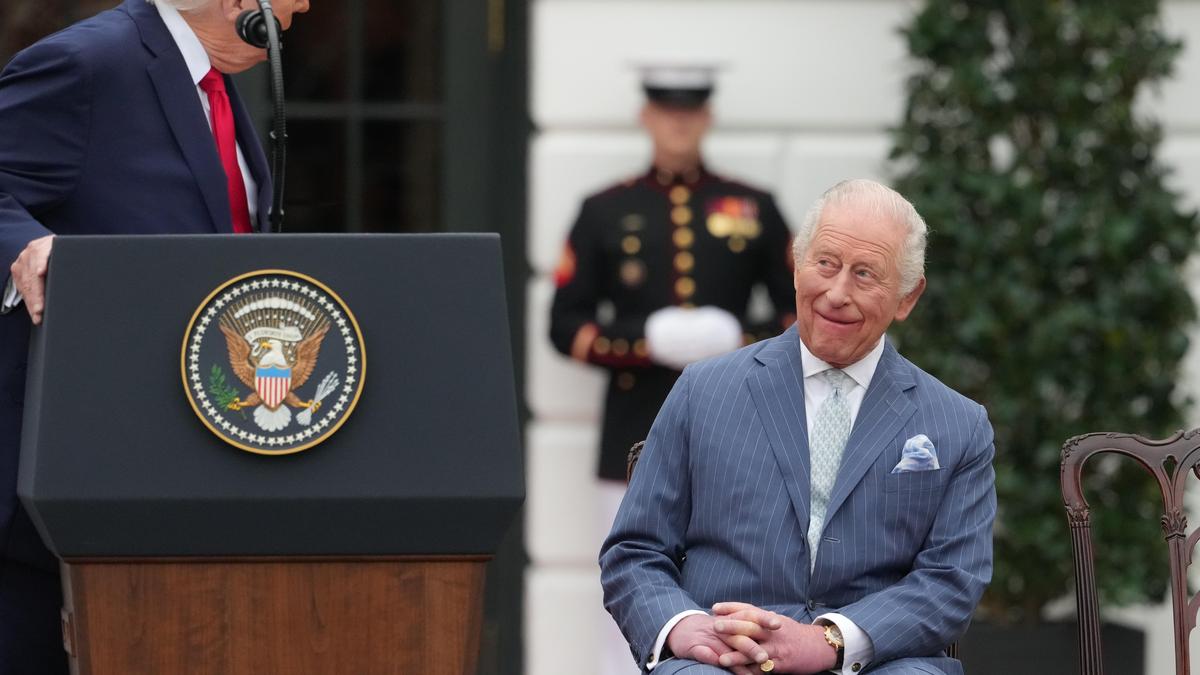
Donald Trump just did what a year of high-level diplomacy couldn't. He wiped out a set of controversial tariffs on Scotch whisky with a single social media post. The timing isn't a coincidence. It happened right as King Charles III and Queen Camilla were packing their bags to leave Washington after a four-day state visit.
You've probably heard the "special relationship" talk before, but this is a rare case where the pageantry actually moved the needle on a billion-dollar trade issue. Trump took to Truth Social to announce he's pulling back the 10% baseline tariffs that have been hitting Scottish distillers since last April. He claims he did it "in honor" of the King and Queen, basically saying they convinced him without even trying.
The Scotland Kentucky connection you didn't know about
The move isn't just about making nice with the royals. There's a practical, slightly weird supply chain reason behind this. If you enjoy a good single malt, you're actually drinking a product that relies heavily on American wood.
By law, bourbon must be aged in new charred oak barrels. Once those barrels have done their job in Kentucky, they can't be used for bourbon again. But they're perfect for Scotch. Scottish distilleries buy thousands of these used barrels every year to age their spirit. Trump specifically mentioned the "wooden barrels" and the link between Scotland and Kentucky as a driver for the decision.
- The Barrels: Kentucky bourbon barrels are the backbone of the Scotch aging process.
- The Trade Loop: Restricting one side of this trade ends up hurting the other.
- The Jobs: Thousands of roles in both the UK and the US depend on this specific exchange of spirits and supplies.
Why this matters for your wallet
For the last year, Scotch exports to the US have been in a tailspin. We’re talking about a 15% drop in volume. When you slap a 10% tax on a bottle of Lagavulin or Macallan at the border, that cost doesn't just disappear. It gets tacked onto the price tag you see at the liquor store.
The Scotch Whisky Association says these levies were costing the industry about £4 million a week. That’s a lot of lost revenue that could have gone into new distilleries or keeping prices stable. By removing these restrictions, we're likely to see a more stable supply and, hopefully, a break in the price hikes we've seen over the last twelve months.
The political theater behind the deal
Let's be real—this was a massive win for the British monarchy's soft power. Prime Minister Keir Starmer has been struggling to find common ground with Trump lately, especially with the ongoing tension over the war in Iran. While the politicians were bickering, the King was in the Oval Office talking about shared history and, apparently, whisky.
Scotland's First Minister John Swinney is already taking a victory lap. He's been lobbying for this for months, even visiting the White House last September. He called it a "tremendous success," and he’s right to be relieved. For a country where whisky is the most valuable export, this tariff was a slow-motion economic disaster.
What happens next for the industry
While the announcement is out there, it’s not an instant fix. The US Trade Representative, Jamieson Greer, has confirmed "preferential duty access," but the paperwork still needs to clear US Customs.
- Wait for the Federal Register: The official "zero-for-zero" trade status needs to be formalized in writing before the taxes actually stop at the ports.
- Restock the Shelves: Expect distributors to start ramping up imports now that the overhead is dropping.
- Watch the Bourbon Market: Since the "deal" involves Kentucky, keep an eye on whether the UK reciprocates by ensuring no future retaliatory taxes hit American bourbon.
This wasn't some complex trade treaty negotiated by hundreds of lawyers. It was a personal gesture from a President who likes the "grandeur" of the British monarchy. It’s a reminder that in 2026, trade policy is often more about who’s in the room than what’s on the spreadsheet. If you've been holding off on buying a high-end bottle, you might want to wait just a few more weeks for the new stock to arrive tariff-free.