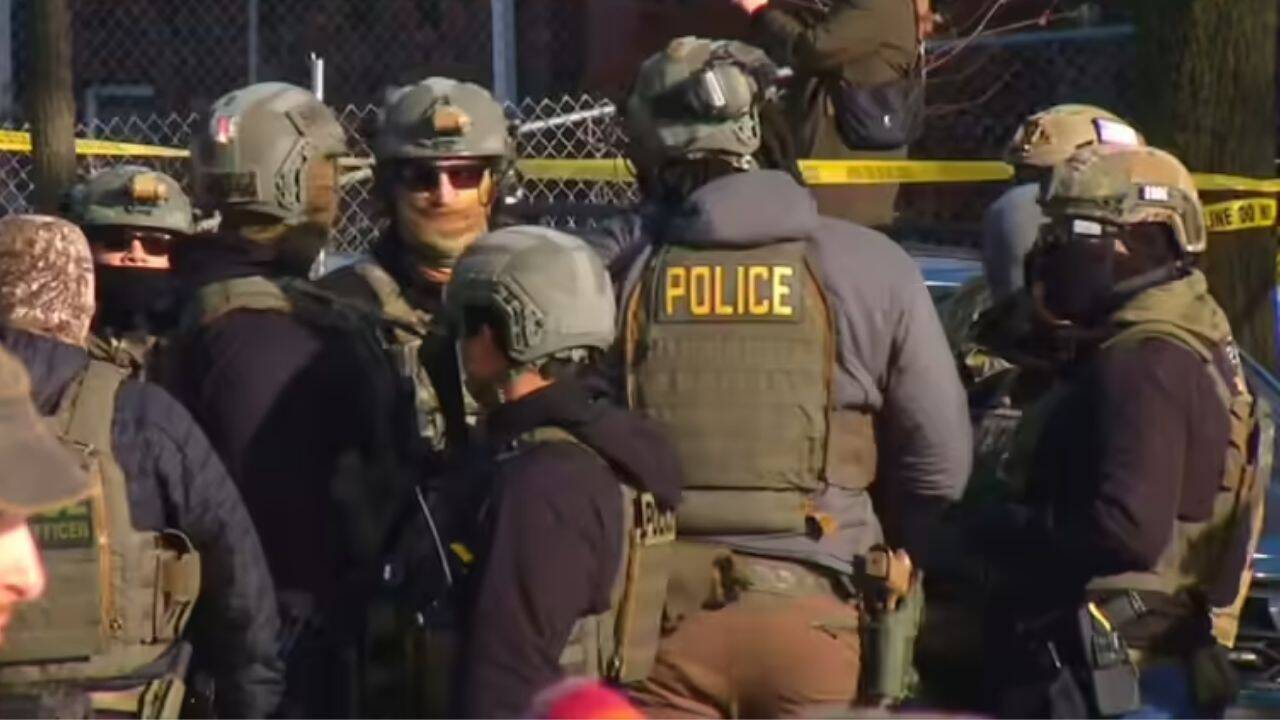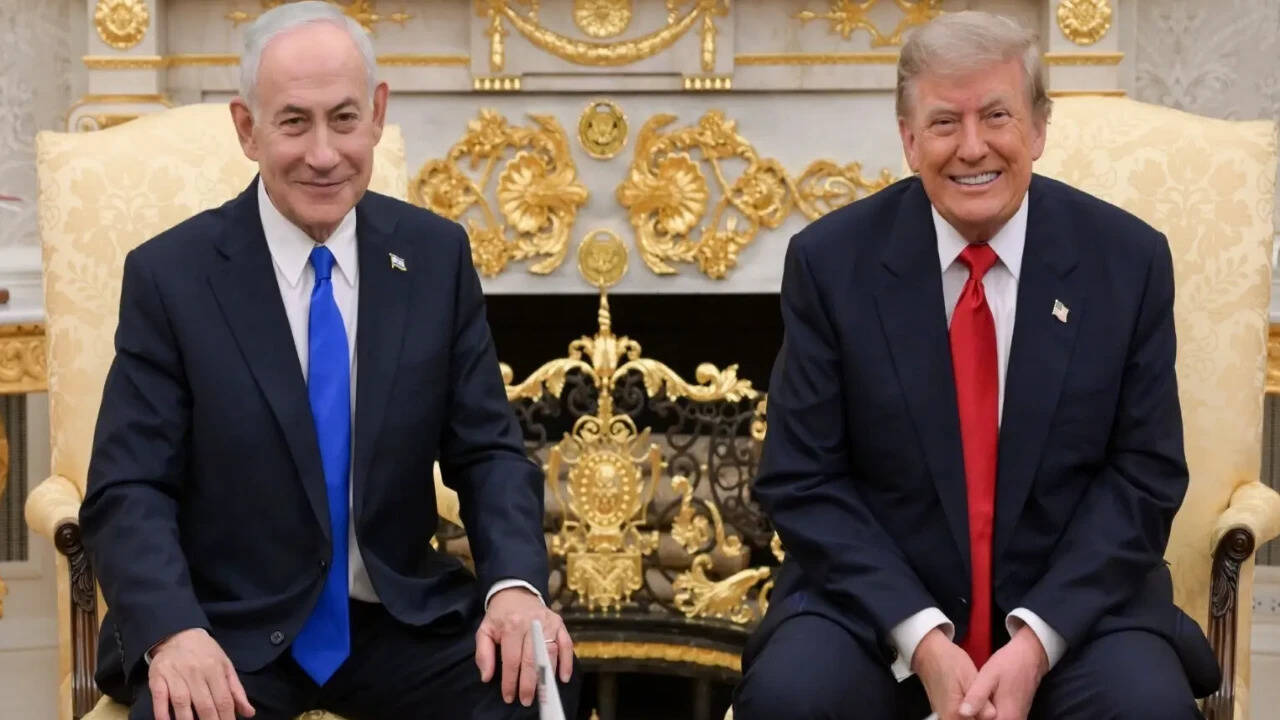
Washington and Jerusalem are not on the same page right now, and honestly, the split is showing in public. For months, President Donald Trump and Israeli Prime Minister Benjamin Netanyahu pushed side by side in a war against Iran that began with massive joint strikes back on February 28, 2026. Now, with the U.S. midterm elections behind them and indirect talks dragging through Doha, the two leaders are staring down a brutal strategic fork in the road.
Netanyahu wants another round of heavy military action to stop Iran from rebuilding its ballistic missile production and burying nuclear and military assets deeper underground. Trump, meanwhile, has blown hot and cold—sometimes talking tough about hitting remaining nuclear sites or threatening massive escalation if talks fail, and other times insisting negotiations are moving along and saying he wants a permanent deal.
The short answer is this: fresh U.S. strikes on Iran aren't off the table, yet they aren't guaranteed either. Trump is weighing military pressure against diplomatic off-ramps, economic strain, and pushback from Gulf partners, even as Netanyahu presses for an aggressive new offensive.
Inside the Tough Call Between Trump and Netanyahu
Phone calls between Trump and Netanyahu in November were reportedly frank, tense, and direct—not the rubber-stamp alignment supporters on either side expected when the campaign started. According to reporting from Axios and outlets covering the talks, Netanyahu has urged quick action to keep Tehran off balance, while Trump has resisted rushing straight back into major combat while mediators try to find common ground.
That tension isn't just about tactics. It's about timelines and risk.
From Jerusalem's perspective, waiting carries a steep cost. Israeli officials have warned that Iran is rushing to restore missile manufacturing capacity and move sensitive facilities underground where airpower has a harder time reaching them. Some reports even point to Israeli pressure for a multi-day campaign—ranging roughly from four to seven days—to blunt those efforts before they harden.
Trump sees a messier chessboard. Nine months into a conflict that has already battered regional shipping and strained global energy markets, ordering another major wave of strikes carries political and military baggage. Even when Trump muses publicly about quickly hitting a specific suspected site like Pickaxe Mountain or warns that his patience has limits, he has also signaled he'd rather cut a lasting deal than get sucked into an endless grind.
Why Netanyahu Is Pushing Hard Right Now
Politics in Israel and security threats in Tehran feed into each other here. Netanyahu has spoken bluntly about toppling Iran's leadership as a long-term goal to eliminate the nuclear threat for good. At the same time, his governing coalition has faced steep political headwinds at home following parliamentary elections.
When a leader faces domestic pressure and sees an adversary rebuilding capabilities, urgency spikes. Netanyahu's argument to Washington is straightforward: half-measures and drawn-out talks give Tehran breathing room to regroup, repair damage, and shield its program from future strikes. From his standpoint, momentum matters—and waiting too long could hand the initiative back to Iran.
Why Trump Is Hesitating After the Midterms
Midterm elections change the math in Washington fast. Heading into the final two years of a term, presidents naturally start thinking about legacy, foreign entanglements, and domestic fallout.
Trump has repeatedly touted the initial strikes earlier in 2026 as historic, yet he has also argued publicly that he wants to avoid unnecessary loss of life and has pointed to ongoing mediation. Secretary of State Marco Rubio has emphasized that economic pressure—including naval blockades and sanctions—is already squeezing Tehran, suggesting Washington doesn't need to jump straight back into full-scale combat unless Iran crosses clear red lines.
There's a practical reality, too. Carrier deployments, air defenses, and regional bases have already absorbed heavy strain over the past year. Launching another massive offensive isn't free.
Fresh Iran Strikes After US Midterms and the Doha Standoff
Talk about fresh Iran strikes after US midterms can't be separated from what's happening—or stalling—in Doha. Qatari mediators have been working overtime to keep indirect talks alive between Washington and Tehran, trying to turn fragile contacts into an actual settlement.
So far, progress has been patchy at best. Reports have pointed to possible interim ideas—such as reopening the Strait of Hormuz if Washington eases port blockades or frees frozen assets—yet deep disagreements remain. Iranian officials have laid down strict preconditions, refused direct meetings at key moments, and warned of wide-ranging retaliation if struck again.
Diplomatic backchannels in Doha are keeping a slim off-ramp open, yet neither side looks ready to surrender its core leverage.
Here's the catch that trips up a lot of casual observers: talks and strikes aren't pure opposites in Washington's playbook. Sometimes a leader threatens or conducts limited military action specifically to extract concessions at the negotiating table. Other times, a single miscalculation blows up months of quiet mediation overnight.
What Gulf Allies and Markets Are Watching
One detail many people overlook is how much weight Gulf Arab states carry in this standoff. Countries like Qatar, Saudi Arabia, the United Arab Emirates, Bahrain, and Kuwait sit right in the blast radius of any wider escalation.
Disruptions around the Strait of Hormuz—a chokepoint that normally carries roughly a fifth of the world's daily oil supply—have already rattled energy markets, shipping lanes, insurance costs, and supply chains. Gulf officials have made clear they don't want another round of regional warfare landing on their doorstep, and reports indicate regional leaders have urged Trump to back diplomacy over fresh strikes.
Meanwhile, maritime enforcement remains a cat-and-mouse game. Even with a U.S. naval blockade in place, watchdogs and investigators—including United Against Nuclear Iran (UANI)—have documented "ghost fleet" tankers attempting to slip sanctioned energy cargoes toward Asia. Blockades bite, sure, but they leak around the edges, which fuels hawks who argue economic pressure alone won't force a total capitulation.
What Could Happen Next and How to Read the Signals
Don't get fooled by daily headlines swinging from "imminent strikes" to "deal momentum." Both can be true in fragments on the exact same week. Trump has even floated the possibility that major next steps might stretch into 2027 if talks drag out, while keeping military options warm.
If you want to track where this is actually heading without getting whiplash, watch four concrete signals:
- Changes in Qatari mediation tone: Look for specific movement on naval blockades, frozen funds, or Strait of Hormuz transit terms rather than vague promises of "good talks".
- Force posture shifts in the region: Pay attention to naval rotations, air-defense readiness, and official warnings from U.S. or Israeli commanders—actions matter far more than tough rhetoric.
- Public red lines from Washington: Notice whether officials frame military readiness as a response to specific provocations or as a push to force a breakthrough in negotiations.
- Oil and shipping risk premiums: Watch crude prices, tanker routing, and war-risk insurance rates, which react fast whenever markets sense the Strait of Hormuz could tighten again.
If you follow energy markets, business operations, or regional security, build scenarios around both paths—continued tense negotiation under pressure and sudden, targeted escalation. Check primary reporting from major wire services and regional outlets daily, keep contingency plans flexible for energy and shipping volatility, and treat every rumor about a final decision as provisional until forces move or an agreement is signed.