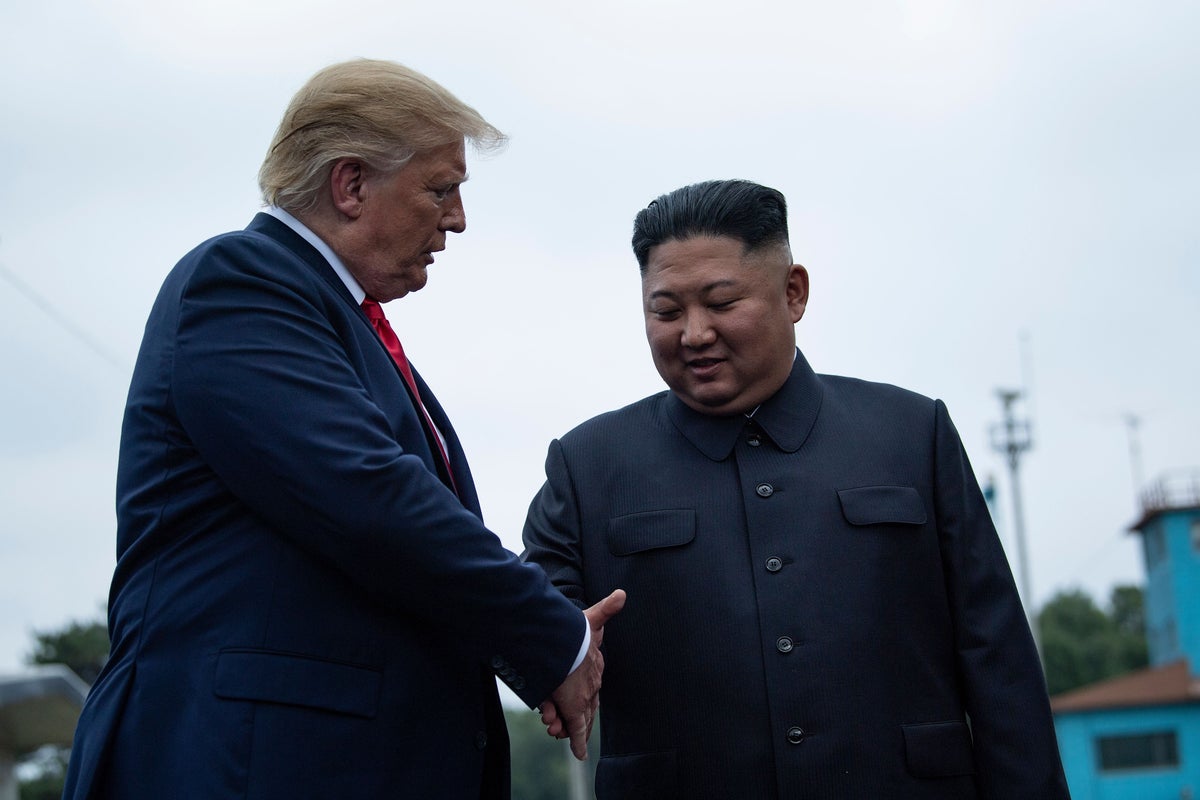
International relations rarely follow a script, and few figures enjoy tossing out the rulebook quite like Donald Trump. When global leaders mix open praise for adversaries with hardline demands for financial contributions from close allies, diplomatic circles tend to spin into overdrive. That exact dynamic took center stage again as debates reignited over past negotiations, regional security on the Korean peninsula, and long-standing defense pacts.
The Friction Over Alliance Costs and Security Commitments
At the heart of the ongoing debate is a fundamental disagreement over who pays for geopolitical stability. Washington has spent decades maintaining a heavy military footprint in East Asia to deter regional threats, notably from North Korea. Yet, critics and defenders alike clash fiercely over the financial arrangements governing these alliances. You might also find this connected article insightful: Hydraulic Failure of the Twin Cities Urban Flooding and Drainage Deficits.
During various public addresses and interviews, Trump has repeatedly pointed to defense cost-sharing agreements, arguing that wealthier partner nations need to shoulder a much heavier financial burden. He often recounts previous negotiations where he pushed for multi-billion dollar contributions to offset the expenses incurred by the United States. On the flip side, foreign policy analysts and historians point out that Seoul has contributed substantial funds toward sharing the cost of the U.S. military presence under formal Special Measures Agreements stretching back decades.
This friction creates a unique dilemma. Allies want absolute security guarantees against nuclear-armed neighbors, but transaction-focused diplomacy treats military protection almost like a subscription service. When leaders start asking blunt questions about the exact return on investment for overseas defense, the entire framework of post-WWII alliances starts to wobble. As discussed in recent articles by USA Today, the effects are widespread.
Navigating Relations with Pyongyang
Complicating matters further is the peculiar diplomatic posture adopted toward North Korean leadership. While conventional foreign policy views Pyongyang through a lens of strict containment and isolation, Trump has consistently touted his personal rapport with Kim Jong Un, suggesting that direct dialogue remains preferable to endless hostility.
This approach drives traditional diplomats crazy. Critics argue that praising an authoritarian leader grants them undeserved legitimacy on the world stage without securing tangible steps toward denuclearization. Supporters counter that personal diplomacy breaks through decades of bureaucratic stalemates and opens doors that closed doors never could.
The tension leaves Seoul caught in an awkward geopolitical squeeze. South Korea sits squarely within artillery range of its northern neighbor while trying to balance an alliance with a superpower whose leadership style can shift rapidly with political winds.
What Comes Next for Transpacific Ties
外交 policy isn't just about what leaders say on a microphone; it's about the structural realities on the ground. Troops remain stationed along the demilitarized zone, joint exercises adapt to shifting threat landscapes, and economic dependencies continue to bind the Pacific region to Western markets.
Ultimately, treating international alliances like real estate deals changes how trust is built. If every four years brings a radically different philosophy on burden-sharing and adversary engagement, nations begin hedging their bets. Seoul and Washington will have to figure out whether mutual defense is built on shared democratic values or a running ledger of transaction receipts, because right now, nobody seems entirely sure which ledger is balancing out.


