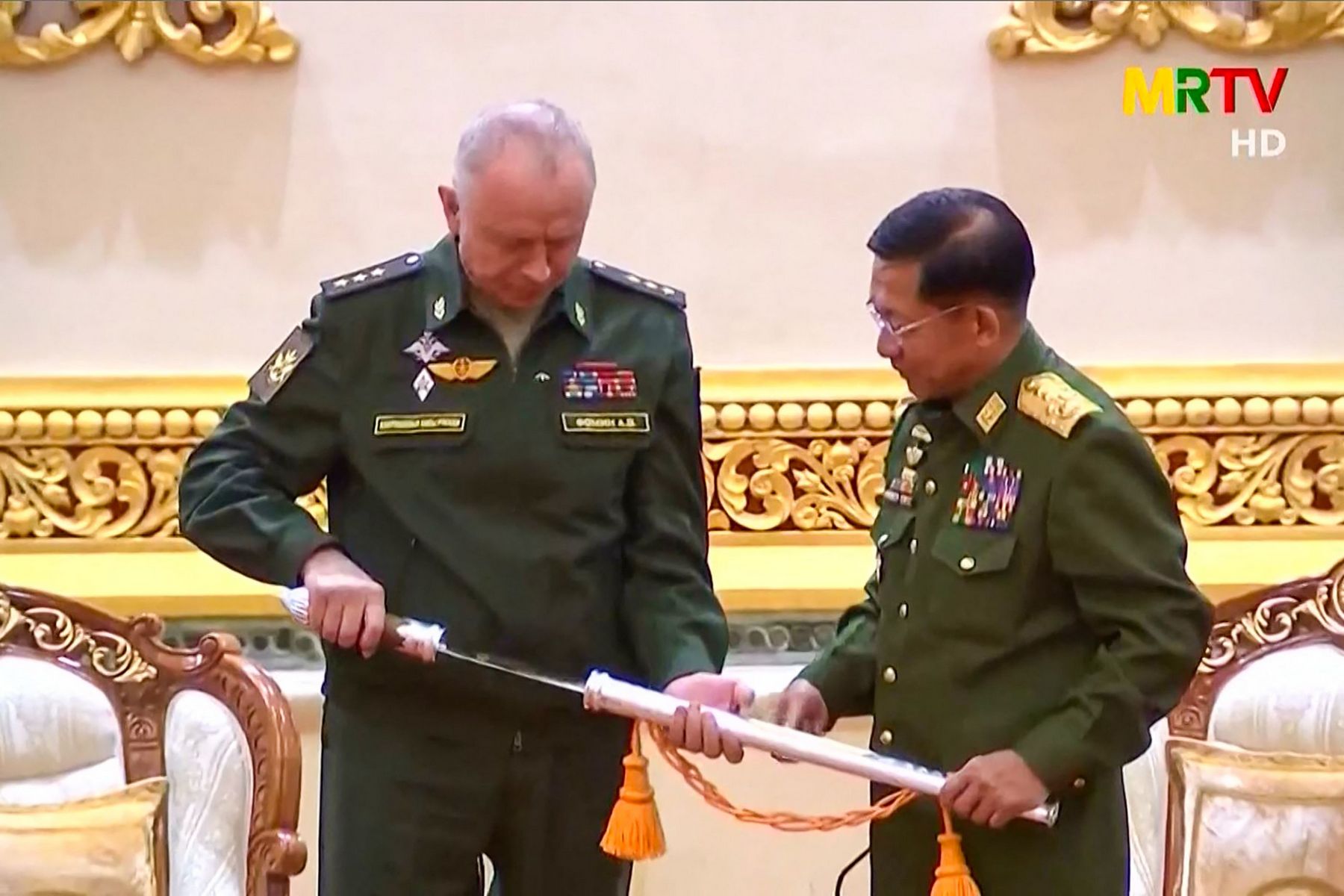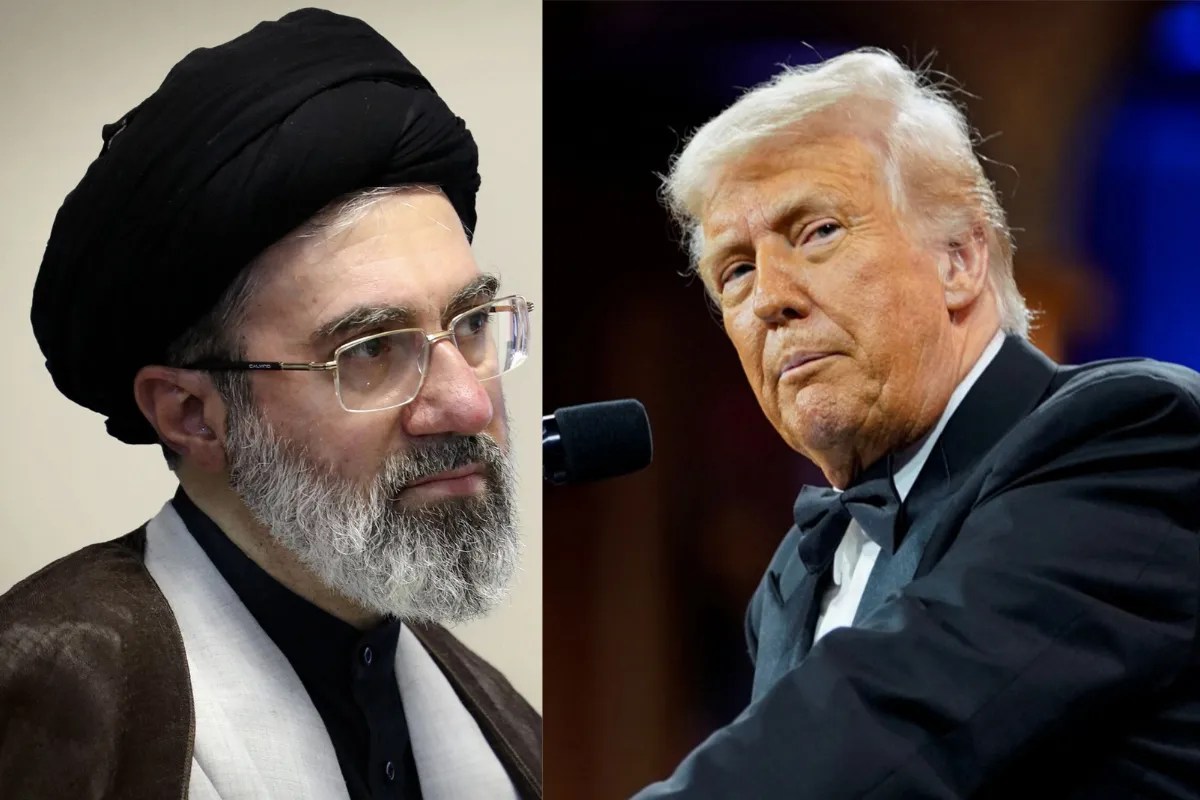
The media is obsessed with a fairy tale. They see Donald Trump’s return to power and the Pentagon’s shifting blueprints as a signal that the era of "forever wars" is closing. They point to headlines about "three terrifying plans" and see a retreat. They are looking at the chess board while the game has already shifted to orbital strikes and algorithmic warfare.
Trump isn’t ending wars. He is changing the hardware and the overhead. For a different view, check out: this related article.
The lazy consensus suggests that an isolationist "America First" policy equals a more peaceful world. That is a fundamental misunderstanding of how power vacuums work and how modern military doctrine functions. Peace isn't the absence of American boots on the ground; often, the removal of those boots is the precise catalyst for a more violent, fragmented, and unpredictable global slaughter.
The Logistics of the Invisible War
Most analysts are stuck in 20th-century thinking. They talk about troop withdrawals as if that’s the only metric of conflict. I have spent years watching how defense budgets actually move. When you cut 5,000 infantrymen from a base in the Middle East, you aren't "ending" a war. You are reallocating those funds into Long-Range Precision Fires (LRPF) and autonomous drone swarms. Similar analysis regarding this has been provided by BBC News.
The Pentagon isn't preparing for peace. It’s preparing for a high-intensity, low-footprint conflict where the human cost is hidden behind a screen in Nevada.
The "three plans" being whispered about in DC circles aren't about olive branches. They are about efficiency. One of these plans focuses heavily on the "Replicator" initiative—a massive push to field thousands of cheap, attritable autonomous systems.
This isn't de-escalation. This is making war so cheap for the aggressor that the barrier to entry for starting a conflict vanishes. When you don't have to send a voter's son or daughter into a trench, the political cost of pulling the trigger drops to near zero.
The Isolationist Fallacy
The crowd cheering for a "deal-maker" in the White House forgets one thing: deals only hold when there is a credible threat of overwhelming force behind them.
Trump’s strategy isn't pacifism; it’s mercantilist militarism. He views global security as a protection racket. "Pay up, or you’re on your own." While that sounds like a win for the US taxpayer, the second-order effects are catastrophic for global stability.
Imagine a scenario where the US pulls its nuclear umbrella back from Eastern Europe or the South China Sea. Does the threat go away? No. You get rapid nuclear proliferation. Japan, South Korea, Poland—these nations won't just sit there and hope for the best. They will build their own deterrents. We are trading a centralized, managed standoff for a chaotic, multi-polar nuclear arms race.
People ask: "Will Trump stop the Ukraine war in 24 hours?"
The premise of the question is flawed. You don't "stop" a war by freezing a front line. You merely create a pressurized interval before the next eruption. Forcing a territorial concession without addressing the underlying security architecture is just a way to ensure the next war is twice as bloody and half as predictable.
The Tech-Military Industrial Pivot
The "horrifying plans" mentioned in sensationalist rags often miss the shift in the "Kill Chain."
We are moving away from massive aircraft carriers—which are essentially floating targets for Chinese DF-21D "carrier killer" missiles—toward distributed lethality.
- Subsurface Dominance: Moving the fight underwater where satellite tracking is useless.
- Space-Based Kinetic Bombardment: The ability to strike anywhere on Earth in minutes without crossing a single border.
- AI-Driven Cyber Siege: Crippling a nation's power grid before a single shot is fired.
I’ve seen the internal projections. The shift isn't toward "no war." It’s toward "perfect war." A conflict that is so fast and so technologically dense that the civilian population doesn't even realize they've lost until the banks shut down and the lights go out.
Trump’s affinity for "big, beautiful weapons" isn't a secret. He doesn't want to dismantle the military; he wants to modernize it into a leaner, meaner tool for leverage. If you think the Pentagon is scared of his plans, you aren't paying attention. The hawks are salivating at the chance to cut the "social work" aspect of the military and get back to building things that go boom.
The Brutal Truth About "Ending" Conflicts
Let’s dismantle the idea that "deals" replace "destabilization."
The Abraham Accords were lauded as a masterpiece of diplomacy. On paper, they were. But by bypassing the core grievances of the region to focus on trade and tech, they created a pressure cooker. The explosion was inevitable.
True expertise in this field requires admitting a hard truth: Global stability is maintained through a tedious, expensive, and often boring presence. The "America First" approach treats foreign policy like a real estate transaction. But in geopolitics, there is no "closing date." You never own the land; you only lease the peace.
The downside to my perspective? It’s expensive. It’s exhausting. It requires the US to be the world's policeman—a job no one likes but everyone misses when it’s gone. If we abandon that role, we don't get peace. We get a global free-for-all where the biggest bully in each neighborhood sets the rules.
Stop Asking if He Will End the War
You are asking the wrong question.
Instead, ask: "What kind of war is Trump willing to start?"
His record shows a preference for maximum pressure. Economic sanctions that function like a medieval siege. Targeted assassinations via R9X "Flying Ginsu" missiles. This is a man who ordered the hit on Qasem Soleimani—a move that was the antithesis of "ending war." It was an escalation that redefined the boundaries of state-on-state violence.
The new US military plans aren't exit strategies. They are tactical pivots. We are moving from the "Global War on Terror" (an expensive failure) to "Great Power Competition" (a terrifyingly efficient necessity).
The hardware is getting smaller, faster, and smarter. The rhetoric is getting louder. The idea that we are entering an era of tranquility is a delusion sold to voters who are tired of the news cycle.
War isn't going away. It’s just going dark.
History doesn't care about your campaign promises. It only cares about the vacuum you leave behind. If the US retreats into a fortress of isolationism, the rest of the world won't follow suit; they will burn the neighborhood down trying to decide who gets to be the new sheriff.
The plans on the table at the Pentagon aren't for a world at peace. They are for a world where America can win without having to care about the consequences. That isn't the end of war. It's the beginning of a far more dangerous chapter.
You’ve been warned. Stop looking for the exit sign and start checking the structural integrity of the room.