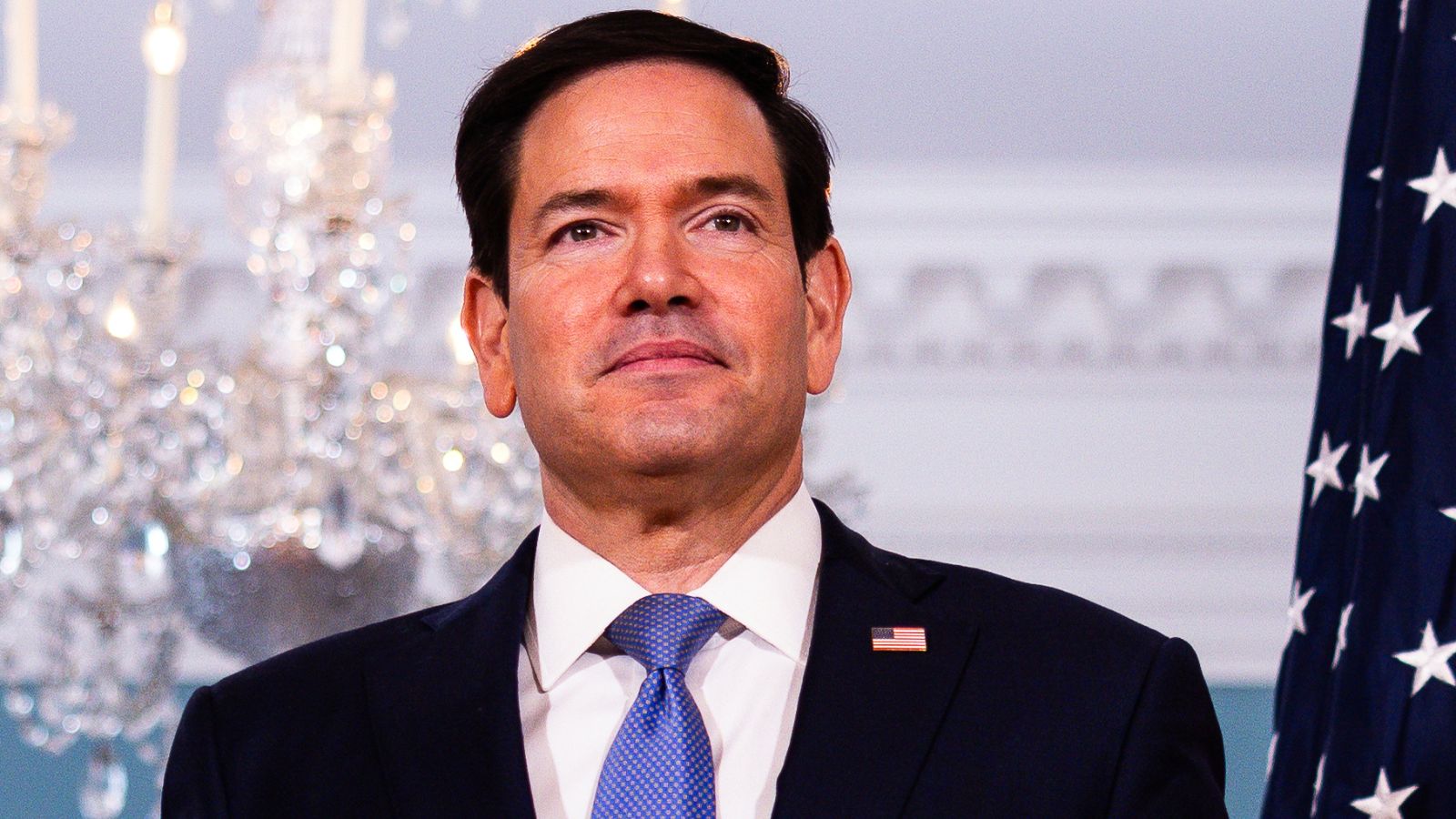
The latest military escalation between Washington and Tehran caught global energy markets off guard, but the White House insists the current phase of fighting has a strict expiration date. President Donald Trump announced that renewed U.S. strikes against Iranian military infrastructure will not continue for "too long," even as American forces pummel radar systems, air defenses, and maritime assets near the Strait of Hormuz.
If you are tracking global oil prices or regional stability, this sudden flare-up matters. It signals that fragile ceasefires in the Middle East can evaporate overnight. You might also find this similar story useful: Stop Blaming Climate Change For The Nepal Floods And Look At The Hydropower Hubris.
What Triggered the Renewed US Iran Clashes
The confrontation intensified after what military officials described as the largest direct exchange of fire between the two nations in months. U.S. Central Command confirmed that recent operations targeted offensive and defensive capabilities that Iran had been rebuilding along its southern coast, including facilities tied to mine-laying.
Washington acted after intelligence indicated Tehran was deploying new equipment intended to restrict commercial shipping through the Strait of Hormuz, a vital chokepoint carrying a massive share of global petroleum supplies. In retaliation for these perceived threats, Iranian forces launched drones and missiles at American military installations across Jordan, Bahrain, Kuwait, and Iraq. As highlighted in latest reports by The New York Times, the effects are notable.
Ground Realities and Regional Fallout
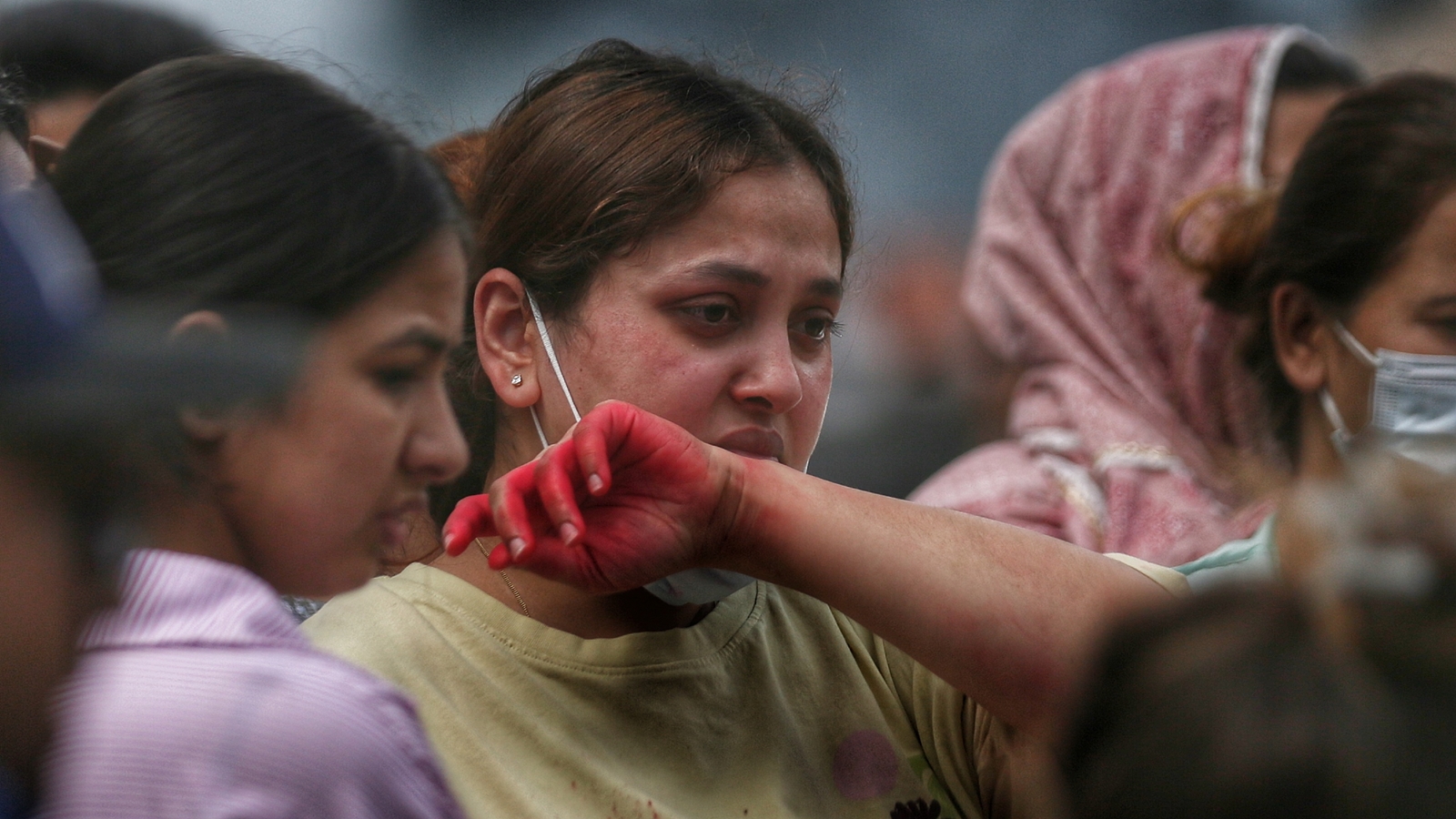
Tehran has condemned the American operation, accusing Washington of inflicting heavy civilian casualties. Iranian state media reported numerous fatalities and injuries following strikes near coastal towns like Sirik, drawing swift international condemnation from regional bodies. Meanwhile, commercial shipping lines face severe disruptions, pushing Brent crude past $95 a barrel before prices stabilized slightly.
Despite the fierce rhetoric, Trump maintains that the military campaign is designed to be short-lived. Speaking from the Oval Office, he emphasized that the U.S. military retains the capability to strike again instantly if provoked, yet expressed optimism that the broader operation will wrap up quickly.
Keep a close eye on shipping insurance rates, regional defense postures, and daily petroleum benchmarks over the coming weeks to gauge whether this conflict truly burns out or spreads further.
Fubu Toy review
This video provides visual context on the recent U.S. military strikes near the Strait of Hormuz and Donald Trump's warnings to Tehran regarding ongoing regional tensions.