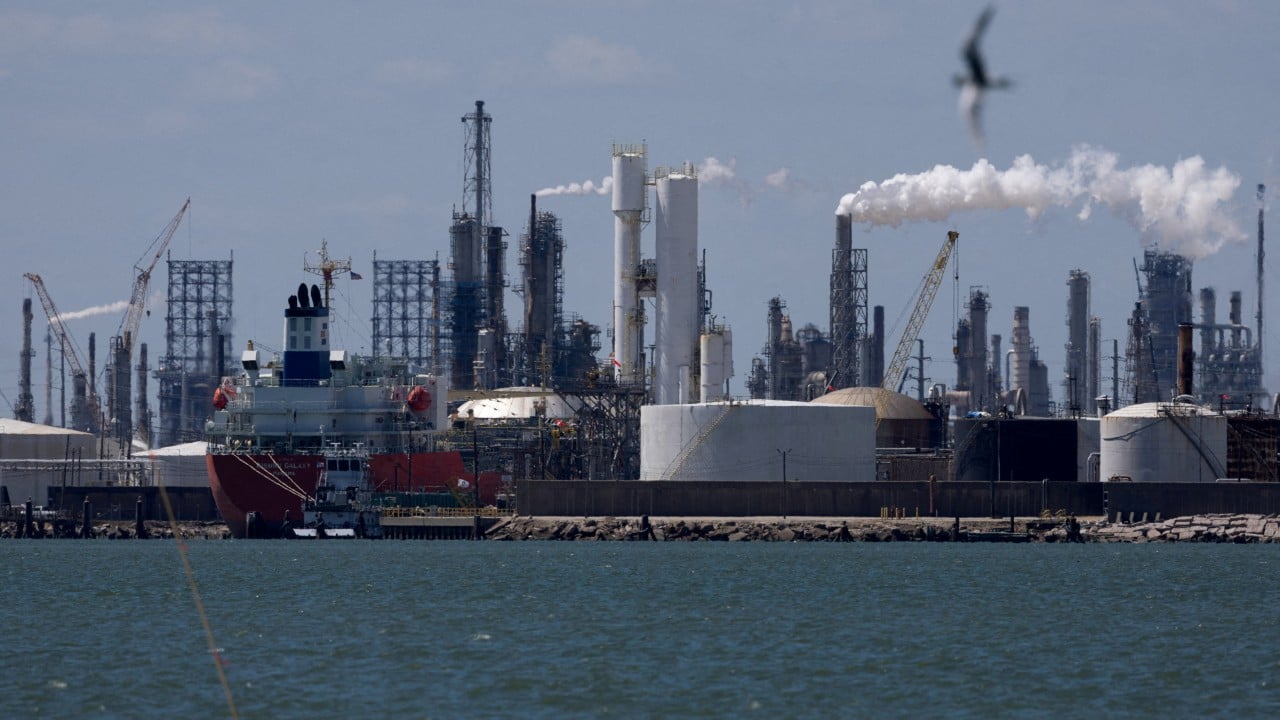
The century-old Jones Act just took another hit, but this time, the White House is drawing a hard line. President Trump extended the domestic shipping exemption for another 90 days, yet completely re-engineered how it works. If you expected a repeat of the wide-open blanket waivers from earlier this year, you missed the fierce political knife-fight happening behind closed doors.
The administration didn't just rubber-stamp another extension. They trimmed the fat, dropped certain commodities, and handed new oversight powers to the Pentagon and the U.S. Maritime Administration (MARAD). Shippers are scrambling to adapt. Domestic shipbuilders are claiming a partial victory. Energy markets are left holding a much tighter leash.
The Reality Behind the New 90-Day Extension
Let's look at what actually changed. Since March, under the pressures of the ongoing conflict with Iran and pinched fuel flows, the White House allowed foreign-flagged vessels to move cargo between U.S. ports. That rule bypasses the classic Merchant Marine Act of 1920 mandate requiring American-built, American-owned, and American-crewed ships for domestic routes.
Refiners loved it. Fuel moved from the Gulf Coast to the Northeast with fewer bottlenecks. Over 200 voyages utilized those exemptions.
However, domestic maritime unions, the Shipbuilders Council of America, and various congressional allies screamed bloody murder. They argued that a blanket exemption was turning a national security safety valve into a permanent discount lane for foreign operators.
So, Trump blinked—sort of. He kept the waiver alive for another three months, but gutted its universal reach.
What Stayed and What Got Dropped
You can forget about moving everything under a simple paperwork excuse. The updated framework introduces strict, voyage-by-voyage reviews.
- Energy and Fertilizers Survive: Gasoline, diesel, crude oil, and agricultural inputs like fertilizer remain eligible because keeping food and fuel prices stable ahead of the midterms is an absolute necessity for the administration.
- Coal Gets the Axe: Coal and coal-derived products have been officially stripped from the waiver list. If you are moving coal between domestic ports, you are back to using Jones Act-compliant tonnage.
- The MARAD Gatekeeper: Instead of operators self-certifying why they need a foreign ship, the Department of Defense must now consult directly with MARAD to verify whether an American-flagged vessel is actually available before approving a foreign charter.
MARAD data showed that out of more than 200 previous waiver voyages, only a tiny fraction actually cited a lack of available U.S. vessels; many just checked the box because the waiver existed. That loophole is effectively closed.
Winners and Losers in the Shipping Market
Refiners and logistics firms face a much rockier road. They aren't getting a free pass anymore. Every single shipment requires proving that no American ship can do the job. That adds administrative drag and potential delays to supply chains that rely on speed.
On the flip side, domestic shipbuilders and operators are breathing a sigh of relief. Matthew Paxton of the Shipbuilders Council of America and groups like the American Waterways Operators made it clear that open-ended waivers threaten the long-term industrial base of the U.S. maritime fleet. By forcing a rigorous check of domestic availability, the policy protects local jobs—even if it drives up short-term friction for energy transit.
If you operate in the freight or energy space, stop treating this like a routine extension. Plan for tighter scrutiny, expect cargo rejections if a U.S. vessel is sitting anywhere nearby, and prepare for a market where national protectionism trumps convenience.