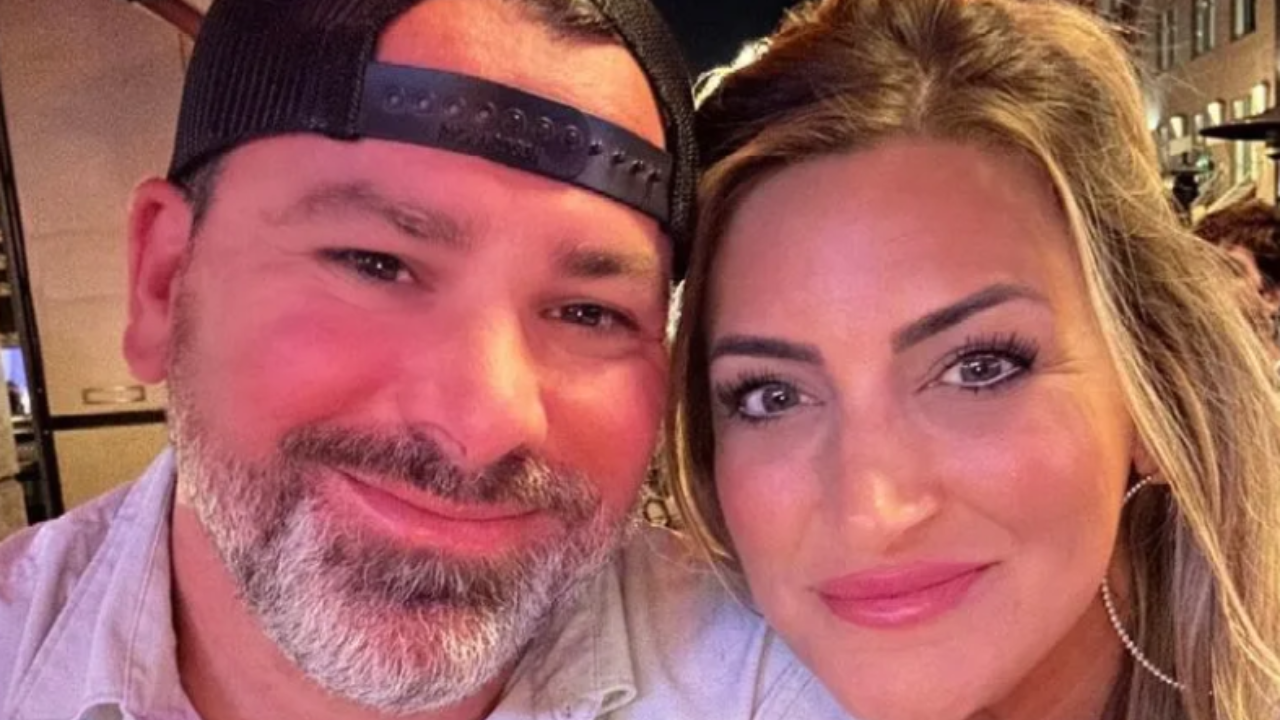
The internet can feel like a stage where we air our grievances. It's easy to post, hit upload, and move on. For Sara Gilson, a 43-year-old hairstylist and content creator from Owasso, Oklahoma, that stage became a platform to expose a harrowing reality. On July 11, 2026, she shared a video using a trending format that mimicked a Netflix documentary interview. She typed out the words, "Preparing for when Netflix drops a documentary about my soon to be ex husband who I just found out is a pedophile." She added the caption, "I wish I was joking."
Twelve days later, she was gone.
On the night of July 23, 2026, police responded to a 911 call after Sara’s son escaped the home to seek help from a neighbor. They found Sara and her estranged husband, Jeremiah "Shawn" Duffey, dead from gunshot wounds. Authorities have labeled it a murder-suicide. It’s a gut-wrenching story that forces us to reckon with the limits of legal protections and the dangerous reality of high-conflict separations.
The Reality Behind the Warning
Sara wasn’t just venting online; she was navigating a nightmare that had been unfolding in real-time. By the time that video went viral—amassing over 15 million views—the situation with her estranged husband had already reached a boiling point.
In June 2026, following allegations that he had engaged in inappropriate conduct with a 15-year-old girl he coached in youth basketball, the legal walls were closing in on Duffey. Reports from investigators indicate that another coach had intervened during an incident involving the minor, leading to broader allegations that spanned multiple states.
Sara took the right steps. She filed for and was granted emergency protective orders. She documented the threats of suicide and the fact that he possessed firearms. She was doing everything the system tells victims to do. Yet, on that July night, those papers didn't stop a bullet. This highlights a terrifying truth: a protective order is a piece of paper. It does not create a physical shield against someone who has decided they have nothing left to lose.
Why We Need to Rethink Protective Orders
We like to believe that the legal system is a safety net. When a victim secures a restraining order, there’s a collective sigh of relief. But as we’ve seen in far too many cases, that relief is often premature.
The tragic reality is that the period when a victim leaves an abuser—or is in the process of divorcing them—is the most dangerous time. This is when the abuser loses control, and often, that’s when they escalate their violence.
We have to stop framing these legal documents as "protection" and start seeing them for what they really are: legal documentation of a threat. They are essential for prosecution, but they aren't enough for personal security. If you or someone you know is in a similar position, understand that the danger doesn't vanish because a judge signed an order. Safety planning must go beyond legal paperwork. It requires layers of security, contingency plans, and a support network that stays vigilant.
The Cost of Public Exposure
Sara’s final TikTok took on a haunting, prophetic weight after her death. It’s natural to wonder if her public accusation increased the danger. While victims have every right to speak their truth, we live in a time where digital transparency clashes with physical security.
When you make a public stand against an abuser, you might feel empowered. You might even find a massive community of support. But you are also potentially triggering someone whose behavior is already irrational and violent.
There’s no "right" way to handle an abuser, but there is a need to recognize the specific risks of digital visibility. If you find yourself needing to sound the alarm, prioritize your physical safety before you hit the record button. Consult with experts who specialize in domestic violence to understand how your online footprint might influence your safety plan.
How to Help
The aftermath of this event has left two children without their mother. A GoFundMe has been established to help them with the mounting costs of counseling, education, and the impossible journey of grieving a parent lost to violence.
Supporting the family is one way to honor Sara, but honoring her also means taking the "red flags" seriously. If you hear stories of inappropriate conduct, if you see someone struggling to leave a volatile situation, don't assume the system will handle it.
Advocacy groups are constantly pushing for better resources for victims. Supporting these organizations—those that offer emergency housing, legal aid, and safety planning—is how we move from being shocked to being part of the solution.
This isn't just a story about a TikToker. It’s a story about a mother who tried to protect her family and herself. The tragedy of her loss is a harsh reminder that the fight against domestic violence requires more than awareness. It requires consistent, proactive intervention from everyone involved. If you or someone you know is in immediate danger, contact your local emergency services or a national domestic violence hotline. Do not wait for a document to provide the safety that only careful, persistent action can ensure.