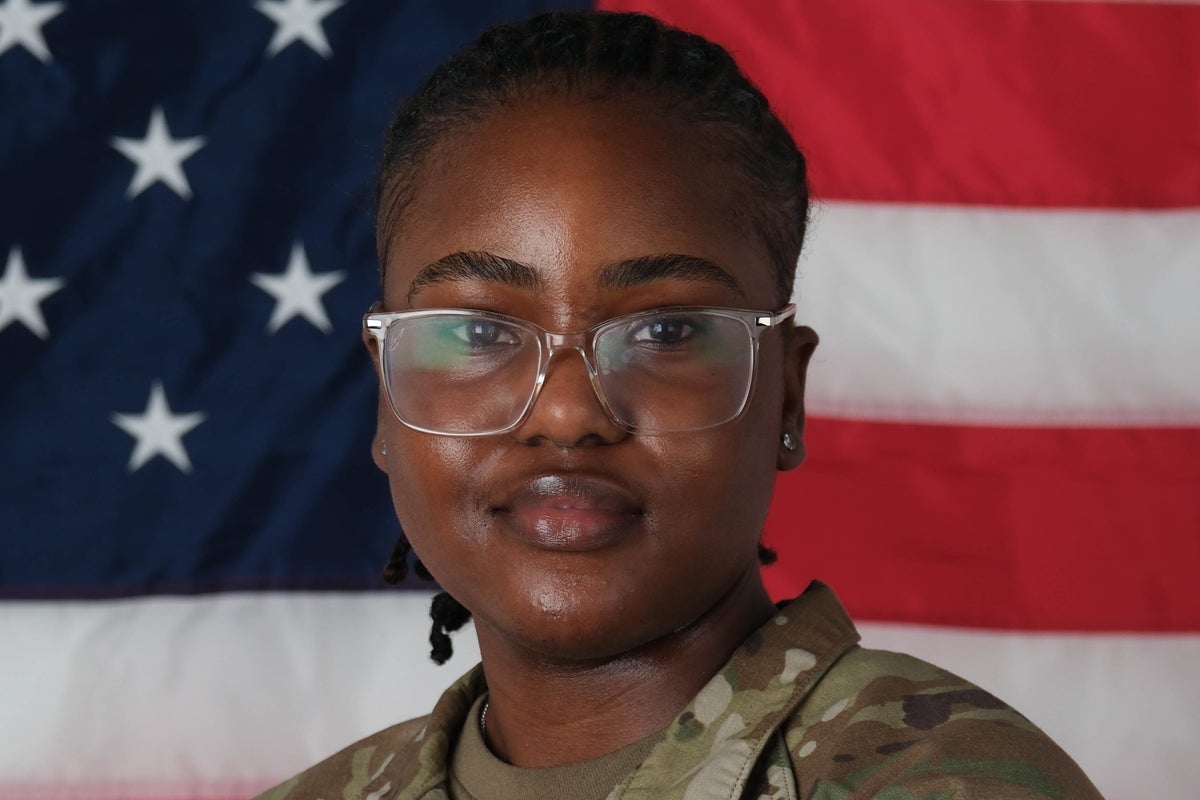
The search for answers in the Moroccan wilderness has finally come to a somber close. After days of intensive recovery efforts, the remains of the second U.S. soldier who went missing during a joint training exercise have been found. This isn't just a headline about a training mishap. It's a stark reminder that the "peace-time" preparation our military undergoes carries risks that are often just as lethal as a live combat zone.
When we talk about military exercises like African Lion, the scale is usually what grabs the attention. We think about the thousands of troops, the heavy machinery, and the diplomatic posturing. But behind the logistics, there are individuals operating in unforgiving terrain where one wrong turn or a sudden shift in weather can turn a routine drill into a recovery mission. The recovery of this second soldier ends the immediate uncertainty for the family, yet it opens a much harder conversation about safety protocols and the sheer physical toll of these massive international maneuvers.
What Happened During African Lion 2026
The incident took place during the African Lion exercise, a massive, multi-national event hosted primarily by Morocco. It’s the largest U.S. Africa Command (AFRICOM) exercise on the continent. The two soldiers were reported missing during a specialized segment of the training that involved navigating difficult, remote terrain.
While the first soldier's remains were located relatively quickly, the second recovery took significantly longer. This delay speaks to the complexity of the geography. We aren't talking about a flat desert. This area involves rugged peaks, deep ravines, and unpredictable visibility. Search and rescue teams from both the U.S. and the Royal Moroccan Armed Forces spent days scouring the landscape. They used everything from high-tech thermal drones to boots-on-the-ground sweeps.
The Pentagon hasn't released the specific cause of death for either individual yet. They usually wait until a full investigation is done. But it’s clear that the environment played a massive role. In these high-stakes drills, soldiers are pushed to their absolute physical limits. They carry heavy gear. They deal with extreme heat. They operate on minimal sleep. It’s a recipe for excellence, sure, but also for tragedy when things go sideways.
Why These Exercises Are So Dangerous
Most people think of training as "practice," something safe. That’s a mistake. Real-world military training has to be dangerous to be effective. If you don't simulate the stress, the terrain, and the exhaustion of war, you aren't actually ready for it.
The Environmental Factor
The North African landscape is a beast. You have shifting sands one mile and jagged, unstable rock faces the next. Flash floods can happen in dry wadis without warning. Dehydration isn't just a risk; it's an inevitability you have to manage every hour. When you're dropped into an unfamiliar environment for a joint exercise, you don't have the "home field advantage." Even with local guides and Moroccan partners, the sheer scale of the training area makes it easy to get separated or disoriented.
The Intensity of African Lion
African Lion involves nearly 10,000 participants from almost 20 different nations. Coordination is a nightmare. You have different languages, different radio frequencies, and different operational styles all trying to mesh at once. While the goal is interoperability—basically making sure we can fight alongside our allies—the friction of that coordination can lead to gaps in tracking individual movements.
The Process of Recovery and Repatriation
Finding the remains is only the first step in a very long, very painful process for the military and the families involved. The U.S. military has a "never leave a fallen comrade behind" policy that is absolute. They will spend millions of dollars and thousands of man-hours to bring one person home.
Once the remains are recovered, they are typically moved to a regional hub for initial processing. From there, they go to Dover Air Force Base in Delaware. This is the primary entry point for all fallen service members. It’s a place of immense solemnity. The "Dignified Transfer" isn't a ceremony, technically, but a process where the remains are moved from the aircraft to a waiting vehicle in the presence of family and high-ranking officials. It's heartbreaking every single time.
The Reality of Military Losses Outside of Combat
Statistically, the military loses more people to accidents and training incidents than to actual enemy fire in many years. This is a hard truth that doesn't get enough play in the media.
- Aviation mishaps: Helos and jets go down during night-vision drills.
- Vehicle rollovers: Heavy armor is difficult to maneuver on unpaved mountainous trails.
- Environmental exposure: Heatstroke and hypothermia are silent killers.
The loss of these two soldiers in Morocco isn't an anomaly. It's part of the high price paid for a ready force. We want our military to be the best in the world, but we often forget the "dry runs" are where the most consistent danger lies. When a soldier dies in training, it feels different to the public than a combat death. It feels avoidable. But if you talk to any NCO or officer, they’ll tell you that you can't eliminate risk without eliminating the effectiveness of the training itself.
Addressing the Aftermath
AFRICOM will now launch a formal AR 15-6 investigation. They'll look at everything. Were the soldiers properly briefed? Was their GPS equipment functioning? Did the weather exceed the "safety envelope" for the mission?
These investigations take months. They aren't just about finding someone to blame. They're about changing the Standard Operating Procedures (SOPs) so this doesn't happen again next year. If it was a gear failure, they’ll swap the gear. If it was a leadership failure in tracking troop movements, someone's career is over.
The Moroccan government has been incredibly supportive during this search. Our partnership with them is one of the oldest in U.S. history, dating back to the Treaty of Friendship in 1786. This tragedy, while horrific, has actually seen a level of deep cooperation between our two militaries that proves why these exercises exist in the first place. They were out there in the trenches with our SAR (Search and Rescue) teams, side by side.
Supporting the Gold Star Families
The families of these two soldiers are now Gold Star families. Their lives changed forever during a training trip to North Africa. The military provides Casualty Assistance Officers (CAOs) to help them navigate the mountain of paperwork, benefits, and funeral arrangements.
But beyond the official support, there’s a community of veterans and organizations like TAPS (Tragedy Assistance Program for Survivors) that step in. These families don't just need a check; they need to know that the sacrifice mattered. Even if it wasn't on a "battlefield" in the traditional sense, these soldiers died in the service of their country, preparing to defend it.
You should keep an eye on the official AFRICOM press releases over the coming weeks. They will eventually release the names once all next-of-kin have been notified and given time to process the news.
The best thing we can do is recognize that the cost of freedom isn't only paid in wars we see on the news. It’s paid in the quiet hills of Morocco, in the middle of the night, during a drill that most people will never even hear about. We owe it to these two soldiers to remember that their mission was just as vital as any combat deployment.
Expect a full report on the safety failures—or lack thereof—later this year. For now, the focus is on getting these heroes back to U.S. soil and giving their families the space to grieve.


:max_bytes(150000):strip_icc():focal(819x186:821x188)/Murdaugh-Family-e90854a716884d608fb6fd925e18d840.jpg)
