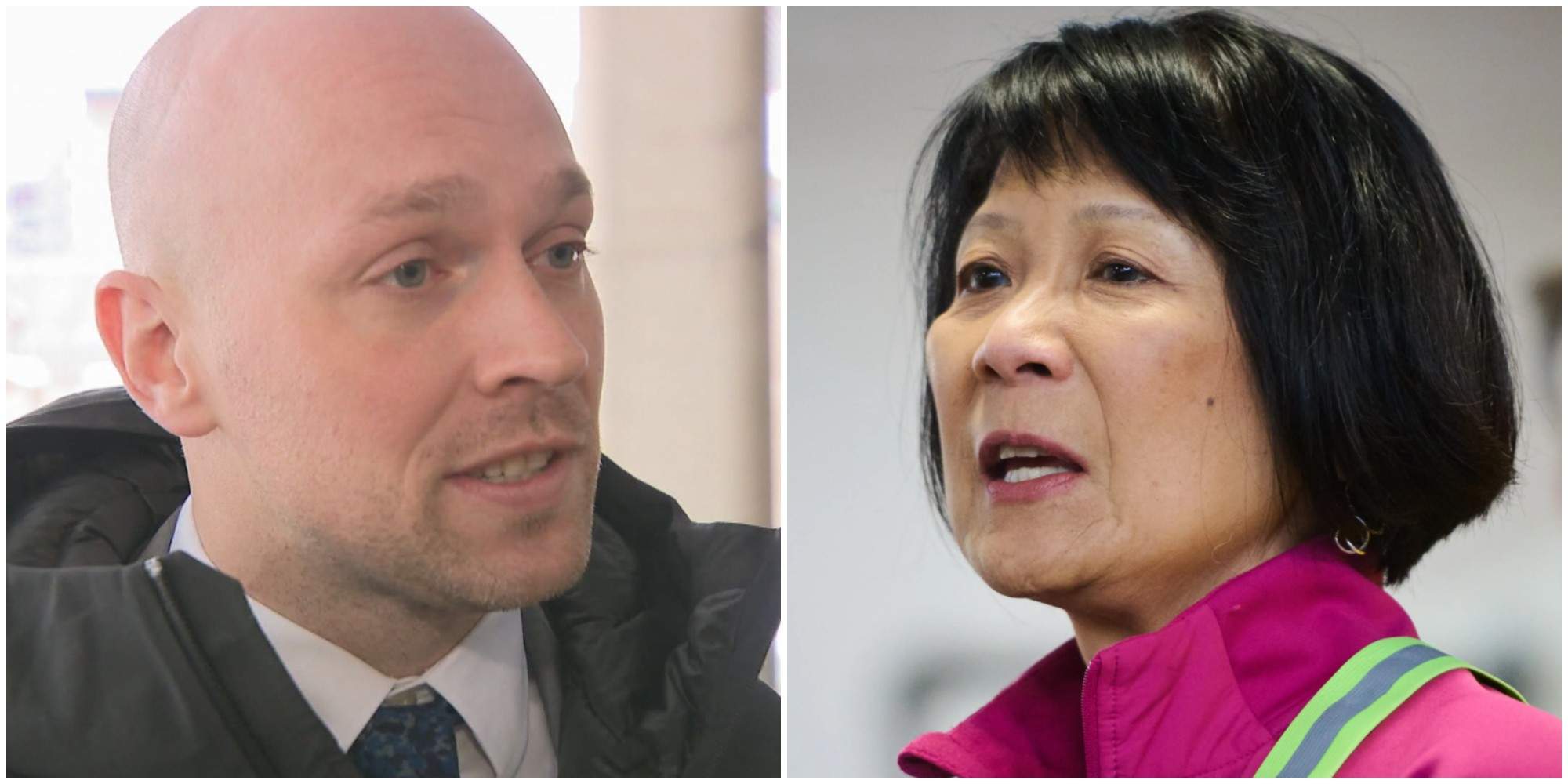
Local politics rarely stays quiet for long in Canada's largest city. When the field of contenders in the Toronto mayoral race condensed into a high-stakes duel between incumbent Olivia Chow and challenger Brad Bradford, the entire municipal landscape shifted. Voters suddenly faced a stark choice between continuity and a sharp change in direction.
Elections are won on momentum, ground games, and how candidates handle intense pressure during the final stretch. Understanding why this race narrowed so aggressively tells you a lot about how Toronto votes, what issues actually move the needle, and why certain campaigns stall out while others cross the finish line.
The Shrinking Field and the Momentum Shift
Every municipal campaign starts with a crowded slate of hopefuls promising the moon. As advance voting opened, the dynamic changed instantly when former federal cabinet minister Chris Alexander dropped out, acknowledging that his polling numbers had flatlined. His exit wasn't an isolated event. It signaled a broader consolidation of voter intention.
People realized quickly that splitting the anti-incumbent or centrist vote would hand an easy victory to the left. That realization forced a two-person race between Chow and Bradford. Bradford positioned himself as the primary vehicle for voters wanting a different fiscal path, targeting property taxes and municipal spending. Meanwhile, Chow leaned heavily on her incumbent record and established urban base.
Geographic Divides That Defined the Ballot
Toronto is not a monolith. The geography of voter support dictates almost every outcome at City Hall. Polls heading into the final weeks showed a sharp regional split that kept political strategists awake at night.
Chow commanded massive leads in downtown ridings, where transit access, cycling infrastructure, and tenant protections dominate voter priorities. Bradford found his strongest backing in parts of Etobicoke and North York, where suburban concerns about car-centric infrastructure, tax restraint, and public safety resonate deeply.
This map fragmentation meant that voter turnout in specific pockets would decide everything. A surge in downtown polling stations favored Chow, while higher participation in the outer boroughs played directly into Bradford’s hands.
The Clash Over Policy and Public Trust
Debates and campaign advertisements grew increasingly sharp as election day approached. Transit policy, housing strategies, and utility management turned into ferocious battlegrounds.
Chow's camp pressed hard on transit consistency and accused challengers of aligning with provincial pressures to roll back bike lanes and transit investments. Bradford countered by focusing intensely on the cost of living, arguing that residents needed immediate relief from land transfer taxes and spending bloat.
One of the most intense flashpoints involved debates over municipal services and potential utility restructuring. Critics raised alarms about service changes, while Bradford's team maintained that strict provincial guardrails prevented any real risk of privatization. Still, the friction dominated headlines and forced both campaigns onto the defensive.
What Decided the Outcome
Elections often hinge on whether a challenger can convince voters that change is worth the risk, even if they aren't completely sold on the alternative. Bradford struggled with net-negative personal favorability numbers even while portions of his platform polled well. Many voters found themselves weighing a desire for municipal course-correction against hesitation over the challenger's approach.
Incumbency carries heavy baggage, but it also provides a megaphone and a visible track record. When the final ballots were counted, Chow secured a decisive victory, retaining the mayor's office with substantial voter support, while Bradford vowed to continue contributing to public life outside of municipal office.
If you want to track how Toronto's municipal politics evolves from here, watch how city council handles housing density targets and provincial friction over transit funding. Those battles will define the next chapter of local governance regardless of who sits in the mayor's chair.