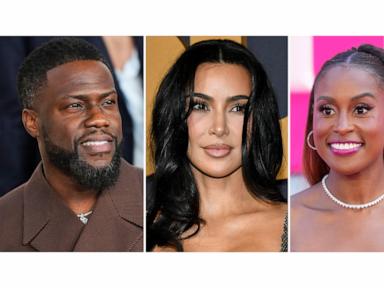
Harvey Levin’s empire isn’t just about catching stars leaving restaurants without makeup anymore. If you haven’t noticed, the cameras that once stalked Lindsay Lohan are now staked out in the hallways of the Capitol. TMZ is moving into politics, and they aren't playing by the rules of the Sunday morning talk shows. They’re treating politicians like celebrities because, in 2026, that’s exactly what they’ve become.
Most traditional outlets look down on this. They think gossip is beneath the dignity of the office. But the reality is that voters are paying attention to TMZ’s raw, unedited clips while they’re muting the polished interviews on cable news. TMZ is finding its footing by leaning into the messiness. They don’t care about "on-background" briefings or carefully worded press releases. They want the visceral, awkward, and human moments that politicians spend millions trying to hide.
The end of the polished political persona
Politicians used to control their image with an iron fist. You saw what they wanted you to see. Those days are over. TMZ treats a Senator the same way they treat a pop star. They catch them at airports. They find them at dinner. They ask the questions that a White House correspondent wouldn't dare ask for fear of losing their press pass.
This shift isn't just about being annoying. It’s about transparency. When TMZ catches a high-ranking official acting like a jerk in a parking lot, it tells you more about their character than a thousand stump speeches ever could. We’re seeing a total collapse of the wall between entertainment and governance. Honestly, it was always a bit of an illusion anyway.
Why the old guard is terrified of the Harvey Levin method
Traditional journalists often complain that TMZ lacks "decorum." What they really mean is that TMZ doesn’t respect the gatekeepers. In the old world, if a politician had a scandal, their team would call a friendly editor at a major paper to "manage" the story. TMZ doesn't take those calls. They post the video and let the internet tear it apart in real-time.
The "misfires" people talk about usually involve TMZ getting too aggressive or jumping the gun on a story that hasn't fully cooked. But even those errors haven't slowed their momentum. Why? Because the audience prizes speed and authenticity over everything else. In a world of deepfakes and AI-generated PR, a shaky smartphone video of a Governor stumbling out of a club feels like the only thing that's real.
The power of the "man on the street" interview
You've seen the clips. A guy with a camera follows a Congressman down a sidewalk, peppering them with questions about a controversial bill or a personal rumor. The Congressman usually tries to ignore it, looking increasingly flustered. This is the new town square.
- It forces a response that isn't rehearsed.
- It highlights the physical disconnect between leaders and the public.
- It creates viral moments that reach people who don't watch the evening news.
This isn't "noble" journalism in the classic sense. It’s scrappy. It’s loud. It’s often rude. But it’s effective.
Turning the swamp into a reality show
The biggest mistake critics make is thinking TMZ is trying to be the New York Times. They aren't. They're trying to be the soundtrack to the digital conversation. By focusing on the "lifestyle" of politics—who is hanging out with whom, who is flying private, who is snubbing their colleagues at a gala—they’ve mapped out the power structures of Washington in a way that feels accessible.
Think about the way we consume information now. We scroll through feeds. We want bitesized chunks of drama. TMZ understands that politics is just another form of high-stakes content. They’ve successfully bridged the gap between the people who care about the Kardashians and the people who care about the debt ceiling. It turns out those two groups are the same people.
Learning from the stumble
Every media giant has bad days. TMZ has definitely had theirs, especially when they’ve pushed too hard on stories that turned out to be nothing burgers. But their ability to pivot is what keeps them relevant. They've started hiring people who actually understand policy, blending that knowledge with their signature "gotcha" style.
They aren't just looking for a scandal; they're looking for the intersection of culture and power. When a celebrity gets involved in a political movement, TMZ is the first one there because they already have the contacts in both worlds. They've built a bridge that the legacy media is still trying to design on paper.
Stop waiting for a return to normalcy
If you're waiting for politics to go back to being boring and "dignified," you're going to be waiting a long time. The genie is out of the bottle. TMZ’s success on the political scene proves that the public wants the raw version of their leaders. They want to see the cracks in the armor.
The next time you see a shaky video of a cabinet member being grilled at a grocery store, don’t roll your eyes. That’s the new accountability. It’s messy, it’s loud, and it’s exactly what the digital age demanded. If you want to stay informed, you have to look at the stuff that makes the establishment uncomfortable.
Check the timestamps on the next big political "leak." Chances are, the gossip sites had a piece of it hours before the "serious" outlets even got a comment. Pay attention to who is being followed by the cameras and who is dodging them. That's where the real power is shifting. Watch the videos yourself instead of reading the sanitized summaries. Form your own opinion based on the raw footage. The era of the filtered politician is dead, and Harvey Levin is the one who helped bury it.