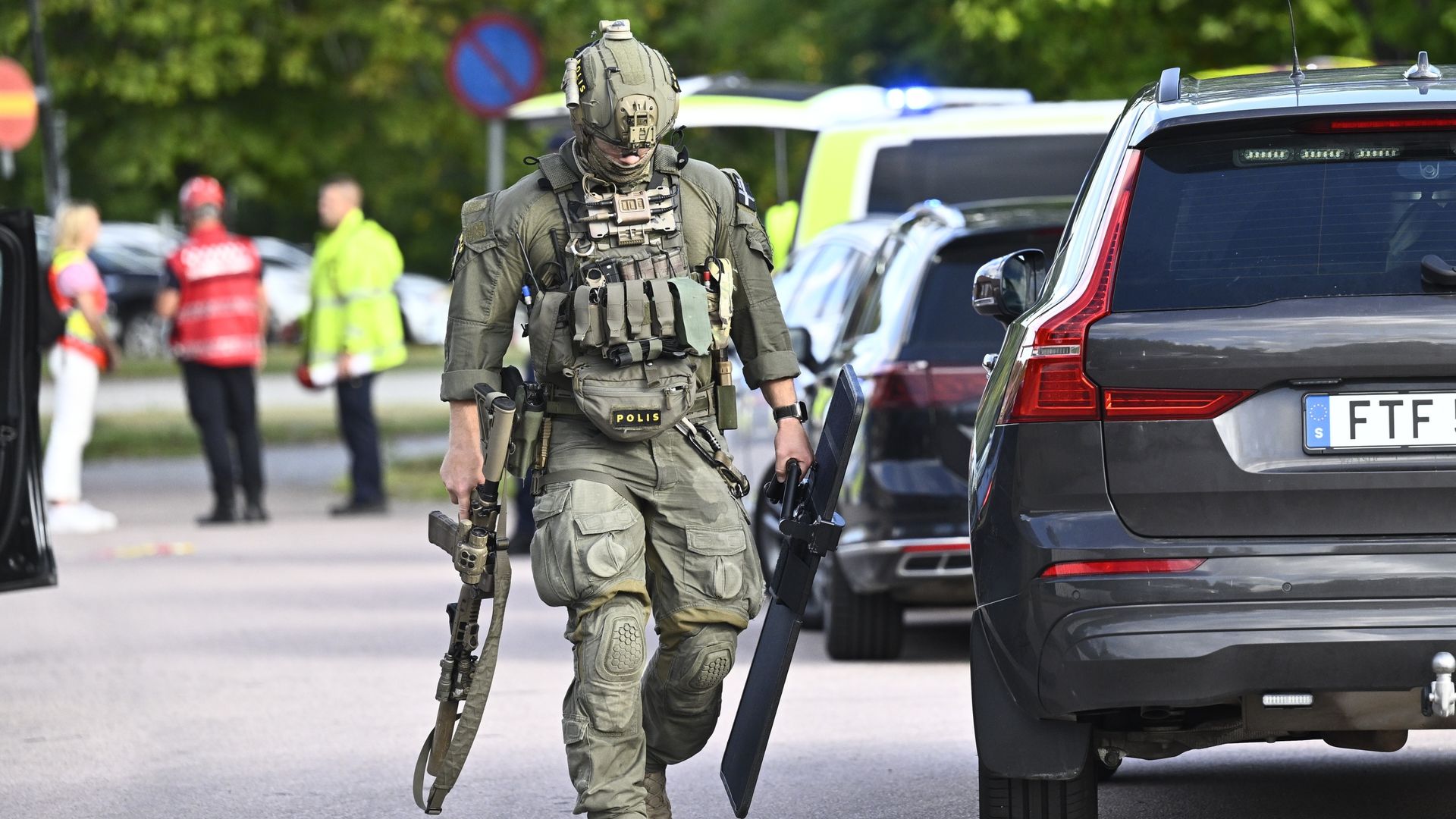
Every dry season, the script writes itself. Smoke chokes the skies over Kalimantan, neighboring countries scream about air quality, and the government responds with the oldest, most ineffective playbook in the cabinet room: shipping thousands of fresh troops into the peat swamps with backpacks, hand pumps, and shovels.
It makes for great television. It looks decisive. It signals to the international community that officials are taking action. For a different perspective, consider: this related article.
It is also an expensive theater of futility.
I have spent years watching governments try to outmuscle ecological disasters with sheer manpower. You cannot arrest a chemical reaction with a rifle squad, and you certainly cannot stamp out fires burning ten meters underground in dried-out peat deposits by sweating on the surface. Indonesia bolsters troop numbers to combat Borneo wildfires because optics matter more than outcomes, and because admitting that boots on the ground are functionally useless against subsurface peat combustion requires a complete overhaul of land management incentives. Similar insight regarding this has been shared by The Guardian.
Let us dismantle the lazy consensus.
The Physical Reality Everyone Ignores
To understand why sending more infantrymen into the forest is a waste of state budget, you have to understand what a peat fire actually is. This is not a surface brushfire tearing through dry twigs. Peat is ancient, decayed organic matter—essentially compressed carbon built up over thousands of years in waterlogged environments.
When you drain that land to plant oil palm or pulpwood, the water table drops. The peat dries out. Once it catches fire, it burns below the surface, smoldering in oxygen pockets completely out of reach of standard firefighting tactics.
Throwing a soldier with a water hose at a subterranean peat fire is the equivalent of trying to put out a burning basement by spraying the roof with a garden sprayer.
The heat signature runs deep. Surface water evaporates before it reaches the combustion zone. The troops dig trench lines, they spray water on the smoking crust, they pack up for the day, and two hours later, the fire creeps underneath their trench line and reignites the sector behind them.
The strategy relies on a fundamental category error. Troops are built for territorial control, logistics, and crowd management. They are not hydrologists. They are not soil scientists. Sending them to fight peat fires without rewetting the landscape first is administrative malpractice.
The Economics of Permanent Crisis
Why do administrations keep defaulting to the military option? Because crisis management is a profit center for bureaucratic inertia.
Emergency response budgets are elastic. When a red alert is declared, emergency funds unlock instantly. Procurement contracts for water-bombing helicopters, transport logistics, and field rations flow without the tedious scrutiny of routine budgetary oversight. There is a perverse incentive to let the dry season turn into a disaster because the alternative requires long-term, unglamorous, preventative engineering.
Fixing Borneo means doing the exact opposite of what brings political applause. It means telling powerful corporate plantations to plug the drainage canals they carved into protected peat domes. It means blocking the flow of water out of carbon-rich sinks. It means enforcing land-use regulations against politically connected agribusiness syndicates who treat fire as a cheap land-clearing tool.
Imagine a scenario where a provincial governor tells a major plantation conglomerate to immediately dam its drainage networks or face total asset forfeiture. That takes political backbone. Shipping ten thousand conscripts into the haze takes none.
The troop surge acts as a smoke screen—pun intended—diverting public attention away from the systemic regulatory failures that drained the swamps in the first place.
The Alternative Nobody Wants to Fund
If you want to stop the burning, you have to stop the drying. It is that simple, and that difficult.
The science of peatland restoration is settled. The International Peatland Society and numerous independent ecologists have pointed to hydrology as the singular variable that matters. If the water table is high, peat does not burn. Period.
Yet, capital expenditure on canal blocking, community-led canal damming, and localized early-response well-digging remains a fraction of the emergency suppression budget. Governments prefer to spend money on the cure because the cure is loud and visible. Prevention is quiet. You do not get a ribbon-cutting ceremony for a maintained water table.
Furthermore, local communities are treated as liabilities rather than the primary asset. For decades, Indigenous groups and smallholders living on the forest fringe have understood local fire behavior better than any deployed battalion commander. Yet, top-down militarized responses often sideline local knowledge, replacing community-led fire watch networks with centralized command structures that arrive too late and leave too early.
The True Cost of Tactical Blindness
Relying on troop numbers creates a false sense of security. Citizens breathe toxic air while millions of rupiah are burned on fuel, transport, and allowances for personnel who are fighting a physics problem with sheer grit.
The human toll on the soldiers themselves is rarely discussed. Dragging young recruits into toxic haze conditions without adequate respiratory protection causes long-term pulmonary damage, all for a tactical exercise that yields near-zero strategic reduction in burned acreage. It is a sacrifice of health for the sake of political optics.
Stop celebrating the mobilization of battalions to the haze zones. Start auditing the balance sheets of the companies that profit from dry land. The next time the dry season hits and the headlines announce another massive deployment of security forces, remember that you are watching a symptom being treated with a parade while the root cause continues to smolder beneath your feet.