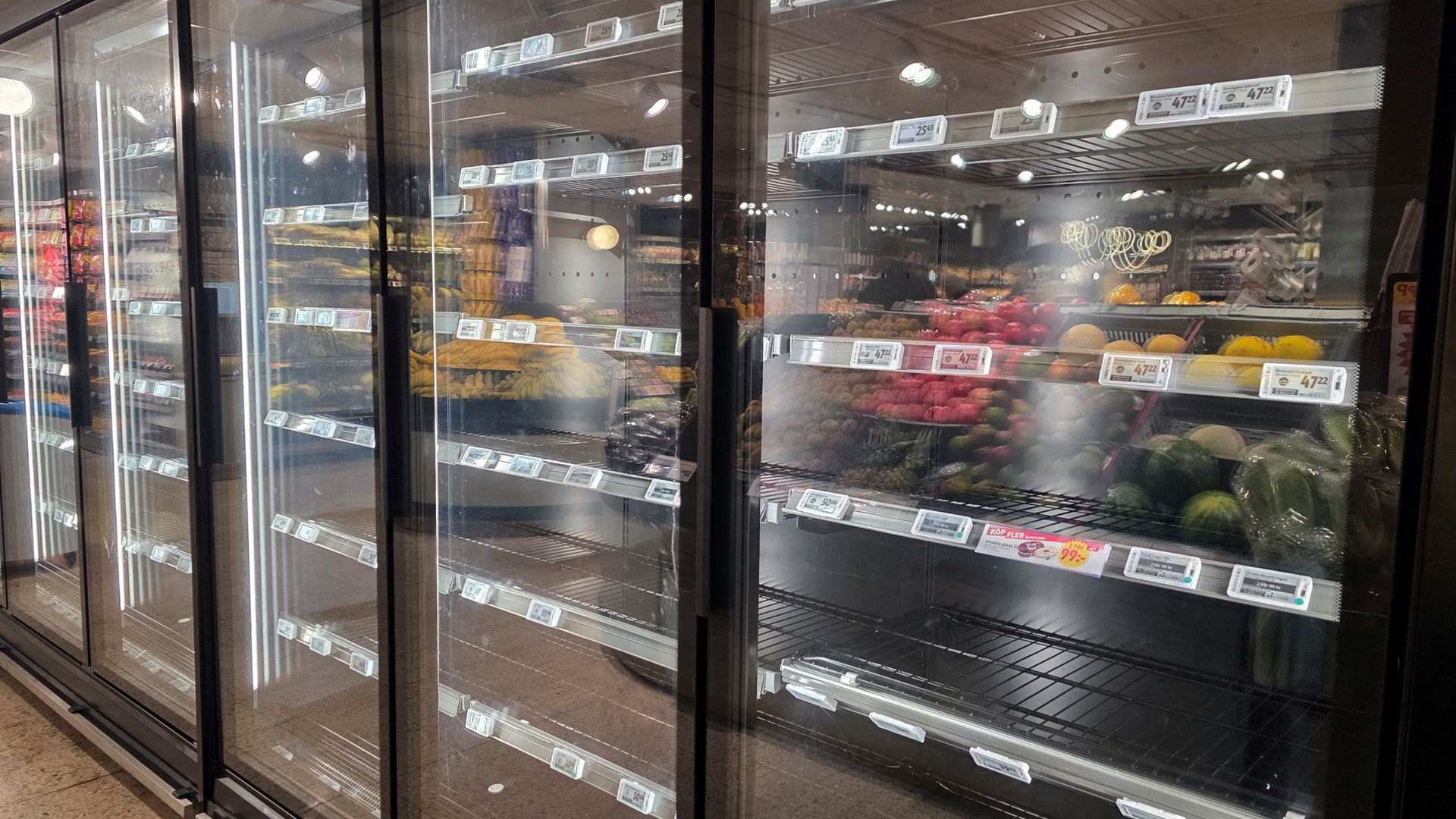
The vulnerability of network-connected refrigerators is not a novel consumer annoyance; it is a systemic failure of embedded systems architecture, supply chain incentives, and network segmentation. When threat actors compromise commercial or residential cold-chain hardware, the resulting damage—ranging from spoiled inventory to lateral network intrusion—stems directly from placing operational technology (OT) onto flat, unmonitored information technology (IT) networks without cryptographic integrity or hardware-enforced isolation.
Sensationalist reporting frames these incidents around emotional reactions to spoiled food or erratic appliance behavior. An operational analysis requires stripping away the novelty of the hardware to examine the underlying compute environment. A modern smart refrigerator is functionally an unpatched Linux or Real-Time Operating System (RTOS) endpoint permanently tethered to high-amperage compressors, thermal sensors, and an internal Local Area Network (LAN). Understanding the true risk profile requires deconstructing the attack surface, the economic incentives driving insecure firmware, and the precise mechanisms of physical and digital degradation. You might also find this similar article interesting: The Quiet Revolution Behind Every Breaking News Alert You Trust.
The Architecture of Vulnerable Cold-Chain Endpoints
To evaluate how an attacker compromises a refrigeration unit, one must separate the appliance into two distinct operational planes: the Control Plane and the Physical Actuation Plane.
The Control Plane manages user interfaces, Wi-Fi or Bluetooth stacks, cloud telemetry, and third-party application integrations. This layer frequently runs on commodity System-on-Chip (SoC) hardware utilizing stripped-down Linux kernels or Android Open Source Project (AOSP) builds. The Physical Actuation Plane governs the thermodynamic cycle—regulating compressor duty cycles, defrost heaters, evaporator fans, and internal thermistors via low-level microcontrollers (MCUs). As extensively documented in detailed coverage by Mashable, the effects are notable.
In an enterprise-grade industrial control system, these two planes are separated by strict hardware boundaries and deterministic protocols. In consumer and light-commercial smart appliances, manufacturers routinely bridge these planes over shared internal buses, such as Universal Asynchronous Receiver-Transmitter (UART), Serial Peripheral Interface (SPI), or Inter-Integrated Circuit (I2C), without message authentication.
The Three Structural Failure Modes
- Cryptographic Neglect in Firmware: Manufacturers routinely ship devices with hardcoded credentials, unencrypted over-the-air (OTA) update mechanisms, and shared symmetric keys across entire product lines. Reverse-engineering a single unit’s flash memory often yields the master keys required to spoof telemetry or push malicious firmware to every identical model deployed globally.
- Abandonware Lifecycle Mismatches: The physical lifespan of a commercial or residential refrigerator is 10 to 15 years. The software support lifecycle of the embedded SoC is typically 2 to 4 years. Once the silicon vendor ceases publishing kernel patches, the appliance becomes a permanent, unpatchable vulnerability node on the host network.
- Excessive Cloud Coupling: Many smart appliances rely on persistent outbound connections to vendor-hosted cloud brokers (often via MQTT or proprietary REST APIs) to execute basic state changes. If the vendor’s cloud infrastructure is compromised, or if an attacker executes a Man-in-the-Middle (MitM) attack due to missing certificate pinning, the attacker inherits administrative control over the physical hardware.
Deconstructing the Attack Vectors
When cyberattacks target connected refrigeration, the intrusion rarely begins with a sophisticated zero-day exploit aimed specifically at the appliance. Instead, these devices are swept up in automated scanning campaigns or leveraged as secondary pivot points.
Direct Exposure and Credential Stuffing
While most residential routers utilize Network Address Translation (NAT) to block unsolicited inbound traffic, commercial environments and misconfigured home networks frequently expose endpoints via Universal Plug and Play (UPnP) or port forwarding. Automated botnets continuously scan IPv4 address spaces for open Telnet, SSH, and HTTP administrative ports associated with embedded web servers. Furthermore, because appliance companion apps often lack multi-factor authentication (MFA), credential stuffing attacks using leaked password databases allow threat actors to hijack user accounts and issue legitimate API commands to alter temperature setpoints remotely.
Lateral Movement Within Local Networks
For a sophisticated adversary, a smart refrigerator is rarely the primary target; it is a low-security beachhead. Endpoint Detection and Response (EDR) agents cannot be installed on proprietary appliance firmware. Security operations centers (SOCs) and home users alike rarely monitor the egress traffic of kitchen or breakroom hardware. Once compromised via a vulnerable web interface or an unauthenticated local API, the appliance serves as a persistent proxy inside the firewall. From this vantage point, an attacker can conduct internal reconnaissance, perform ARP spoofing, and launch exploits against high-value targets—such as point-of-sale (POS) terminals, corporate workstations, or network-attached storage (NAS) devices—that reside on the same subnet.
Thermodynamic Sabotage and Physical Destruction
The phrase "everything is destroyed" in the context of refrigeration attacks refers to two distinct outcomes: inventory spoilage and hardware burnout.
In commercial settings—such as restaurants, pharmacies, and biological storage facilities—raising the internal setpoint by even a few degrees Celsius initiates rapid bacterial proliferation or denatures temperature-sensitive biologics like insulin and vaccines. Because attackers can simultaneously suppress alert notifications via the compromised Control Plane, facility managers remain unaware of the thermal excursion until the inventory is unsalvageable.
Hardware destruction occurs when an attacker manipulates the duty cycle of the compressor. Refrigeration compressors rely on thermal overload protectors and minimum off-cycle timers to allow refrigerant pressures to equalize before restarting. Rapidly toggling the compressor relay via malicious firmware commands forces the motor to start against high head pressure, generating excessive amperage draw, overheating the windings, and causing permanent mechanical seizure.
The Economics of Insecure Embedded Systems
The persistence of these vulnerabilities is governed by basic microeconomic incentives rather than engineering ignorance. Appliance manufacturing operates on thin hardware margins where bill-of-materials (BoM) costs are scrutinized to the fraction of a cent.
Implementing true hardware security—such as integrating a Trusted Platform Module (TPM), enforcing secure boot chains, funding continuous penetration testing, and maintaining a decade-long security response team—increases upfront unit costs and creates ongoing operational expenditure. Conversely, the financial liability of a security breach is externalized entirely onto the end user. When an unpatched refrigerator is conscripted into a Distributed Denial of Service (DDoS) botnet or used to spoil thousands of dollars of perishable goods, the manufacturer faces negligible regulatory fines or market penalties. Consumers purchase appliances based on cubic capacity, energy efficiency ratings, and exterior aesthetics, creating a classic market for lemons where buyers cannot easily verify firmware security at the point of sale, and manufacturers are not rewarded for investing in it.
Defensive Architecture and Mitigation Protocols
Securing connected appliances cannot rely on vendor patching schedules. Defensive posture must be enforced at the network and physical layers by the asset owner.
Network Micro-Segmentation
Every Internet of Things (IoT) and smart appliance endpoint must be isolated on a dedicated Virtual Local Area Network (VLAN) or a segregated guest SSID. Firewall rules governing this IoT VLAN must enforce strict default-deny policies for east-west traffic:
- Devices on the IoT VLAN must be blocked from initiating connections to the primary corporate or residential LAN.
- Peer-to-peer communication between devices within the IoT VLAN itself should be disabled (client isolation) to prevent a compromised appliance from infecting adjacent smart devices.
- Outbound WAN traffic should be restricted via DNS sinkholing or egress filtering to only the specific IP ranges and ports required for essential vendor telemetry, blocking arbitrary outbound connections used by Command and Control (C2) servers.
Out-of-Band Thermal Monitoring
In any commercial, medical, or high-value cold-chain environment, relying on the refrigerator’s native software to report its own temperature is a single point of failure. If the Control Plane is compromised, its telemetry cannot be trusted. Organizations must deploy independent, out-of-band environmental sensors that operate on separate communication protocols—such as LoRaWAN, cellular LTE-M, or hardwired analog loops—completely disconnected from the primary Wi-Fi network. These sensors measure ambient cabinet temperature directly and trigger independent alarms when thresholds are breached, bypassing the appliance's software stack entirely.
Air-Gapping and Connectivity Pruning
Evaluate the actual operational utility of network connectivity against the risk exposure. For residential units and non-integrated commercial coolers, the functional benefits of Wi-Fi connectivity (such as door-ajar push notifications or remote ice-maker controls) rarely justify the permanent introduction of an unpatchable Linux host onto the network. The most deterministic mitigation is physical air-gapping: refusing to provision the device onto the local Wi-Fi network during initial setup, or disabling its wireless radio at the router level via MAC address filtering.
Limitations of Current Defenses
Even rigorous network segmentation has structural boundaries. If an organization requires cloud-based fleet management for commercial refrigeration, completely severing WAN access is impossible. Furthermore, VLAN segmentation protects the surrounding network from the appliance, but it does not protect the appliance itself from cloud-side compromises. If a threat actor breaches the manufacturer's central servers, malicious commands will traverse the legitimate, firewall-approved outbound TLS tunnel established by the refrigerator. Finally, hardware-level air-gapping is increasingly obstructed by manufacturers who tie basic local functionality—or warranty validation—to mandatory cloud registration and persistent telemetry.
Strategic Execution for Asset Operators
Organizations and individuals deploying connected appliances must transition from passive trust in vendor security to active architectural containment. Before procuring smart cold-chain hardware, mandate support for WPA3-Enterprise or isolated VLAN assignment, and verify whether the unit retains full local thermodynamic functionality when severed from the internet. For existing deployments, immediately migrate all smart appliances onto a zero-trust IoT subnet with east-west traffic blocked, and decouple critical temperature alerting from the appliance's native software by installing independent, out-of-band hardware sensors.