Most H1B visa interviews last about three minutes. You hand over your passport, answer a couple of basic questions about your salary, and walk out with an approved stamp. But every once in a while, a consular officer decides to tear apart an application line by line.
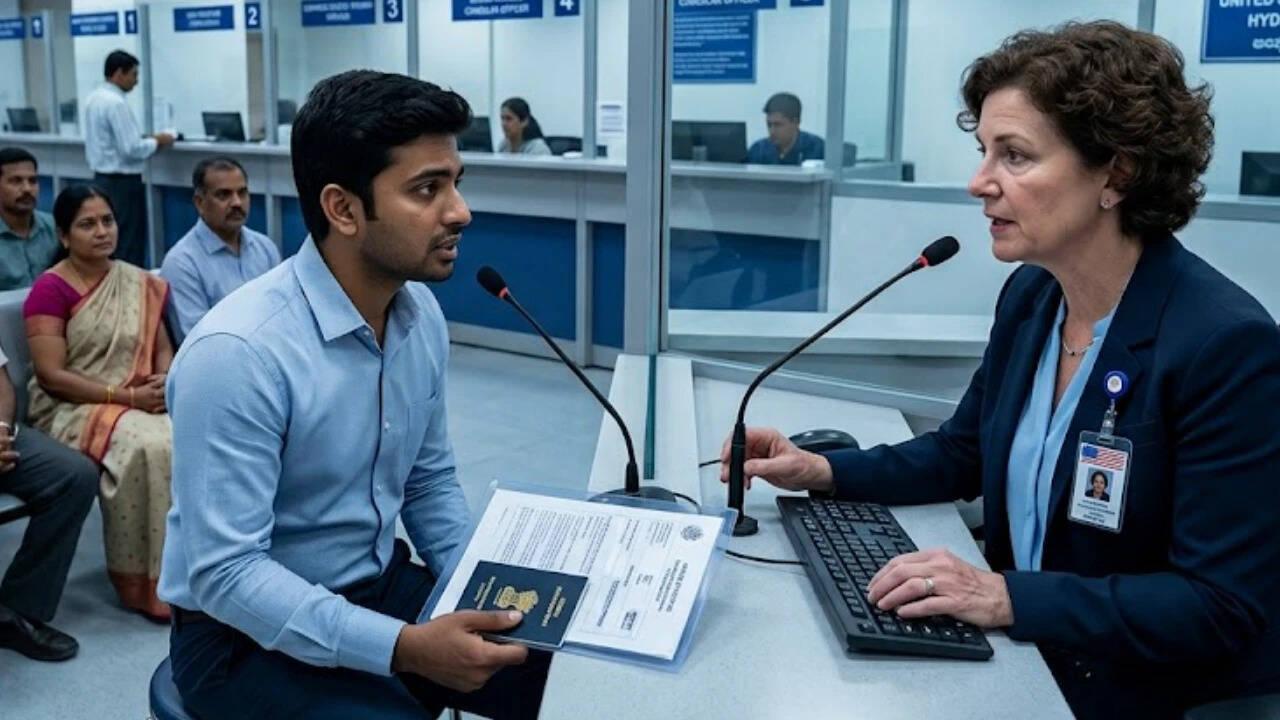
A recent report from the U.S. Consulate in Hyderabad highlighted a grueling thirty-minute interrogation that pushed a visa applicant through two separate officers. The questioning didn't just touch on job titles or degree majors. It dove deep into corporate structures, client chains, and financial transactions. Most alarmingly, the applicant was asked point-blank: "Did you pay anything to your employer for the H-1B?"
If you think this is an isolated incident, you aren't paying attention to how aggressively consular posts are targeting staffing agencies and third-party consultancy models.
The Reality of Enhanced Consular Scrutiny
Consular posts, especially high-volume hubs like Hyderabad, are dealing with an influx of applications that trigger immediate suspicion. When an applicant works through an intermediary or third-party client site, the standard threshold of proof skyrockets.
During the reported thirty-minute ordeal, the questioning moved far beyond the initial paperwork. The applicant faced a barrage of granular inquiries:
- What is the precise name of the end-client project, and how long has it been running?
- Can this project be found on public web domains or corporate LinkedIn pages?
- What are the names and specific roles of your immediate team members?
- How is the team functioning while you are physically taking a holiday in India?
When an applicant stated that a project wasn't public knowledge, the secondary officer dug deeper, demanding proof that the work actually existed outside of paper contracts. This is the core problem for many tech workers caught in traditional IT consulting loops. If your paperwork says one thing, but you stumble when explaining your day-to-day deliverables or team composition, the interview falls apart.
Why the Money Question Matters
Asking whether an employee paid their employer for an H-1B visa isn't random. U.S. immigration laws strictly prohibit employers from passing the costs of the H-1B petition, attorney fees, or training fees onto the employee.
Shady consultancies sometimes bypass this rule by requiring upfront cash, security deposits, or unpaid training periods under the guise of processing fees. Consular officers know this playbook inside and out. When an officer asks if you paid anything, they are testing your honesty and hunting for illegal employer compliance violations. An awkward pause or a contradictory answer is enough to trigger a 221(g) administrative processing hold that can stretch on for weeks or months.
The applicant in the Hyderabad case survived the grilling, but their status sat in a tense "refused" state for nearly a month before final approval dropped. That month of limbo is the standard penalty for failing to convince an officer instantly.
How to Protect Your Visa Application
Preparation separates a quick stamp from an administrative nightmare. If you're heading to a consulate soon, stop treating the interview like a formality.
Print out your Labor Condition Application, your client letters, and your direct employment agreement. Know your salary figure down to the exact dollar matching your LCA. More importantly, practice explaining your technical work in plain language. If an officer asks what you do, you cannot rely on corporate buzzwords or pretend you are bound by secret NDA walls that prevent you from describing your daily tasks.
If your employment model involves multiple layers of vendors, gather direct emails, organizational charts, and internal communication screenshots that prove you have a real, active job waiting for you. Don't leave room for doubt, because the officer across the glass isn't giving anyone the benefit of the doubt anymore.