Nobody remembers the hecklers. They never do. History belongs to the bloodied, the sweaty, and the broken ones who walked into the arena anyway.
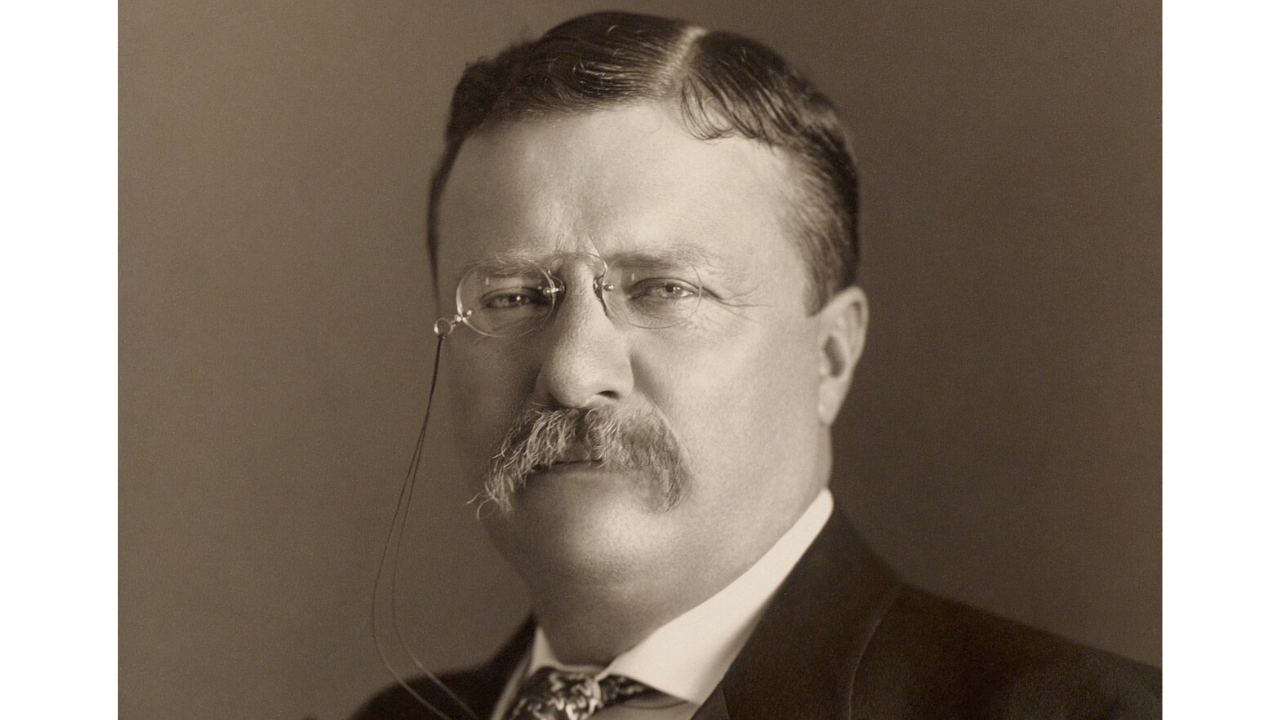
You've probably heard the snippet quoted a thousand times on LinkedIn or printed on gym walls. Theodore Roosevelt delivered his famous "Man in the Arena" speech at the Sorbonne in Paris back in 1910. Most people reduce it to a simple motivational poster. That is a massive mistake. The speech is a brutal critique of armchair critics, safe observers, and anyone who prefers safety over substance.
Let's look at what the man actually meant. You aren't graded on your intentions. You're graded on your execution.
The Heavy Price of Showing Up
Sitting on the sidelines is comfortable. You never fail. You never look foolish. You never have to explain why your grand vision fell flat on its face. Critics love this safety. They get to point fingers without ever risking skin.
Roosevelt called them out directly. He spoke of the critic who counts the stumbles of the strong or points out where the doer of deeds could have done better. It is dead easy to critique from a distance.
I learned this the hard way launching my first major project years ago. I spent months building something in absolute secrecy, terrified of public judgment. When I finally released it, it crashed. Hard. The bugs were embarrassing. The initial feedback was brutal.
People who hadn't built a single thing in their lives lined up to tell me how obvious my mistakes were. They were right about the mistakes, but they were entirely irrelevant to the work. They hadn't bled for it. They hadn't spent sleepless nights trying to solve the puzzle.
Here is the truth nobody wants to admit. Criticism is cheap. Anyone can do it. True authority comes from doing the work, failing publicly, and standing back up to try again.
Why Safe Choices Breed Regret
Most people don't fail because they aim too high and miss. They fail because they aim too low and hit. They pick the safe corporate ladder, the predictable creative path, or the socially approved route.
It feels safe. It avoids the immediate sting of failure. But it leads straight to a quiet, suffocating regret.
When you refuse to enter the arena, you hand your agency over to the spectators. You let the people who do nothing dictate what is possible for your life. That's a terrible trade.
- The critic risks nothing.
- The doer risks everything.
- The audience remembers the doer.
Dust Sweat and Blood
Roosevelt used stark imagery for a reason. He talked about the face marred by dust and sweat and blood. This wasn't just poetic fluff. It's an accurate description of what real achievement actually feels like.
Real progress hurts. It requires difficult conversations, messy iterations, and moments where you feel completely out of your depth.
Think about the best creators, founders, or artists you admire. Did they get there by hedging their bets? Never. They threw themselves into the fire. They took heavy losses. They looked foolish more than once.
If your work looks pristine and safe, you aren't pushing hard enough. If everyone around you thinks your latest idea is completely sensible, you're probably aiming too low.
Dealing with the Noise
When you finally step into the arena, the noise starts immediately. People will tell you that you're moving too fast, or too slow, or in the wrong direction entirely.
You have to develop thick skin. Not the kind that ignores feedback entirely, but the kind that filters out the people who have no skin in the game.
Ignore the spectators. Their opinions hold zero weight because they aren't paying the toll. Listen only to the other people who are down in the dirt with you—the ones who know what it takes to build, create, and execute.
Measure your success by your proximity to the work, not by the absence of criticism. If you're getting criticized, it means you're doing something that matters. It means you're visible. It means you're a threat to the status quo.
Stop waiting for permission. Stop waiting for the perfect moment when all the critics will applaud your plan. They never will.
Step away from the bleachers. Walk down onto the floor. Dust, sweat, and blood are waiting for you, and that is exactly where you want to be.