The moral panic currently gripping the Thai Ministry of Tourism is a masterclass in self-sabotage. Following a few viral videos of tourists behaving badly in public, the "official" response has been a predictable, pearl-clutching vow to enforce strict oversight. They want to sanitize the Land of Smiles. They want to turn a playground into a Sunday school. They are profoundly wrong.
The lazy consensus among bureaucrats and armchair travel critics is that public indecency is a "threat" to the national image. This narrative assumes that Thailand’s brand is built on a foundation of pristine, conservative values that these Western interlopers are eroding. This is a delusion. Thailand’s actual brand—the one that drives billions in revenue—is the tension between its profound spiritual heritage and its status as the world’s ultimate pressure-release valve.
Trying to regulate the "vice" out of Thai tourism is like trying to sell water without the wetness. You can’t have it both ways.
The Myth of the Sacred Brand
Let’s dismantle the biggest lie first: that "strict oversight" protects the local culture.
In reality, the heavy-handed policing of tourist behavior is often a performance for the domestic political gallery, not a strategy for sustainable growth. When the government "vows" to crack down on public sex or rowdy behavior in Patong or Pattaya, they aren’t defending the soul of the nation. They are suffocating the very chaos that makes Thailand a global magnet.
People don’t fly twelve hours to sit in a sterilized environment that feels like a Marriott in Cincinnati. They go to Thailand for the fringe. They go for the humidity, the street food, the cheap beer, and the pervasive sense that the rules of the "real world" don’t quite apply.
If you remove the edge, you remove the energy. When you start installing "tourist oversight" committees and increasing patrols to ensure everyone is behaving like a choir boy, you aren't improving the product. You are killing the vibe. And in the experience economy, the vibe is the only thing that matters.
The Economics of Bad Behavior
Critics love to argue that "low-quality" tourists—the ones getting caught in compromising positions on a beach—cost more than they contribute. They want to pivot to "high-value" travelers: the wealthy retirees and the boutique hotel enthusiasts who keep their clothes on.
This is a fundamental misunderstanding of how tourism ecosystems function.
The "rowdy" sector is a massive economic engine. It fills the mid-range hotels, keeps the tuk-tuks running, and pours money into the pockets of local vendors who don't see a dime from the five-star resorts. The high-value traveler spends their time in a bubble. The "low-quality" traveler spends their money on the ground.
By tightening the noose on "decency," the government is effectively taxing the most liquid part of their tourism market. They are signaling to the world that the party is over. But here is the brutal truth: if the party ends in Thailand, those tourists don't start behaving better. They just move the party to Vietnam, the Philippines, or Bali.
The Oversight Trap
"Strict oversight" is a euphemism for more bureaucracy, more bribes, and more friction.
I’ve spent years watching Southeast Asian markets attempt to "pivot" toward luxury. It almost always fails because luxury is built on freedom, not surveillance. No high-net-worth individual wants to vacation in a police state where the local authorities are emboldened to harass anyone they deem "indecent."
When you give the police a mandate to "clean up" the streets, you aren't just catching the couple on the beach. You are creating a tool for systemic extortion. Every tourist with a beer in their hand becomes a walking ATM for a local official looking to meet a "decency" quota. This doesn't make Thailand safer; it makes it a nuisance.
A Better Way: Lean Into the Chaos
Instead of vowing to police morality, Thailand should be professionalizing its "sin" industries.
Instead of reactive crackdowns every time a video goes viral on X, the focus should be on infrastructure. Don't ban the behavior; manage the space. If people are having public sex on a specific beach, you don't need a task force. You need better lighting, more frequent patrols focused on safety rather than morality, and a recognition that humans in vacation mode do stupid things.
Stop trying to change the customer. Change the environment.
The Hypocrisy of "Family-Friendly"
The push to make Thailand a "family-friendly" destination is the most bored, uninspired strategy in the travel industry. Every country on earth is trying to be "family-friendly." It’s a race to the bottom of the middle of the road.
Thailand’s competitive advantage is that it is not a playground for children. It is a playground for adults. Embracing that isn't a betrayal of Thai culture; it's an honest appraisal of the market.
Imagine a scenario where Thailand stopped apologizing for its nightlife and instead regulated it with the same precision that Singapore regulates its financial district. Not to suppress it, but to make it the most efficient, safest, and most profitable "vice" destination on the planet. That is how you win. You don't win by pretending the red-light districts don't exist; you win by making them so world-class that the "indecency" happens behind closed doors because the doors are worth going behind.
The Viral Fallacy
The government’s reaction is fueled by "social media outrage," which is the worst possible metric for policy-making. A video of two people on a beach in Phuket does not represent a collapse of social order. It represents two people being idiots.
When a government changes its national strategy based on a viral clip, it admits it has no core conviction. It is reactive, weak, and easily manipulated by the loudest voices on the internet.
The "public sex" incidents are outliers. They are the 0.01% of interactions. Designing a national "oversight" policy around outliers is administrative malpractice. It’s like banning all cars because one person drove into a lake.
The "Quality Tourist" Delusion
Who is a "quality tourist"? Is it the person who spends $1,000 a night on a villa but never leaves the property? Or is it the backpacker who spends $50 a day but spends it entirely in local bars, laundromats, and family-run cafes?
The moralists want the former. The economy needs both.
By prioritizing "oversight" and "strictness," you alienate the very demographic that provides the most resilience to the economy. Wealthy travelers are fickle. They leave the moment a new "hot" destination opens up. The "decent" and the "indecent" mid-market travelers are the ones who come back year after year. They are loyal to the atmosphere. If you kill the atmosphere in favor of a sanitized, "vetted" experience, you lose your most loyal customer base.
Stop Apologizing
Thailand needs to stop apologizing for being Thailand.
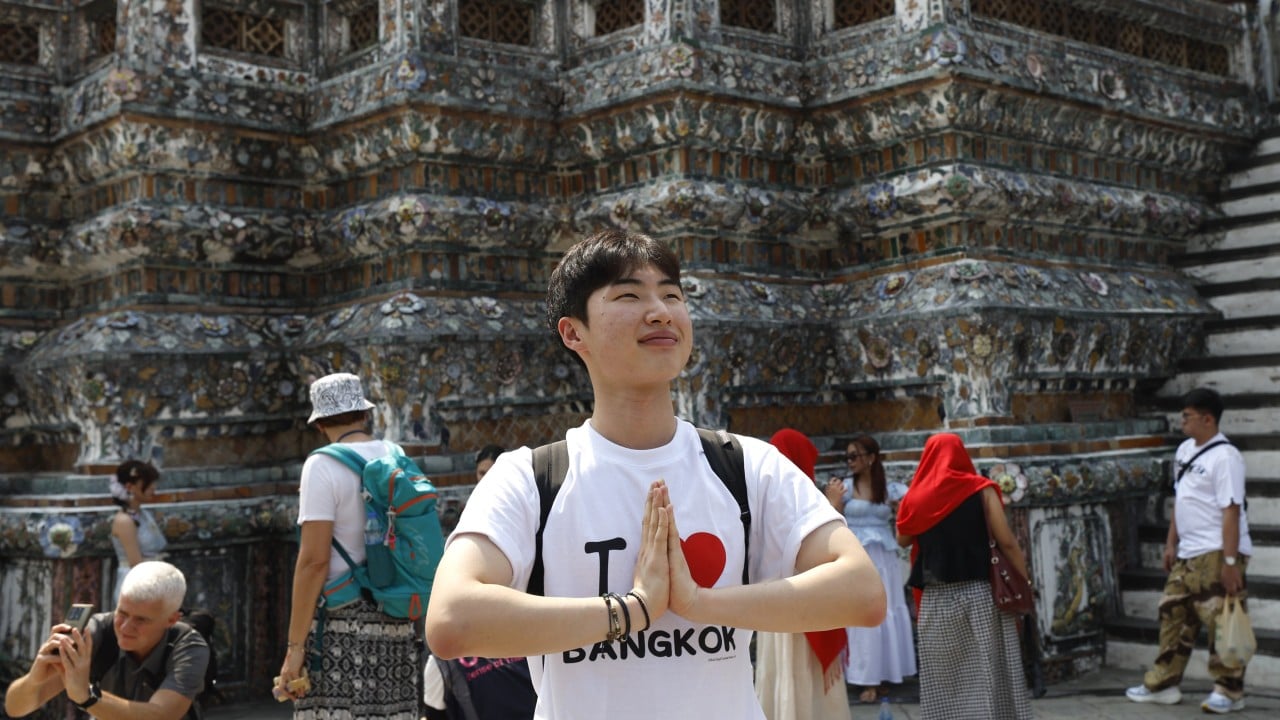
The beauty of the country isn't just in the temples; it's in the friction between the sacred and the profane. That is the magic. That is why people keep coming back.
When the Ministry of Tourism vows "strict oversight," they are signaling to the world that they are ashamed of their own success. They are embarrassed by the very things that saved their economy during the post-pandemic recovery.
Tourism isn't a moral crusade. It’s an industry. And in this industry, being "strict" is just another word for being boring.
If the government wants to protect Thailand, they should protect its right to be a little bit wild. They should protect its reputation as a place where you can escape the suffocating rules of the West. They should stop looking for "indecency" and start looking for ways to make the chaos more profitable.
The world has enough "safe" destinations. It has enough curated, overseen, sanitized resorts. It only has one Thailand.
Don't let a few viral videos trick you into destroying the best brand in travel.
Put the handcuffs away and turn the music back up.