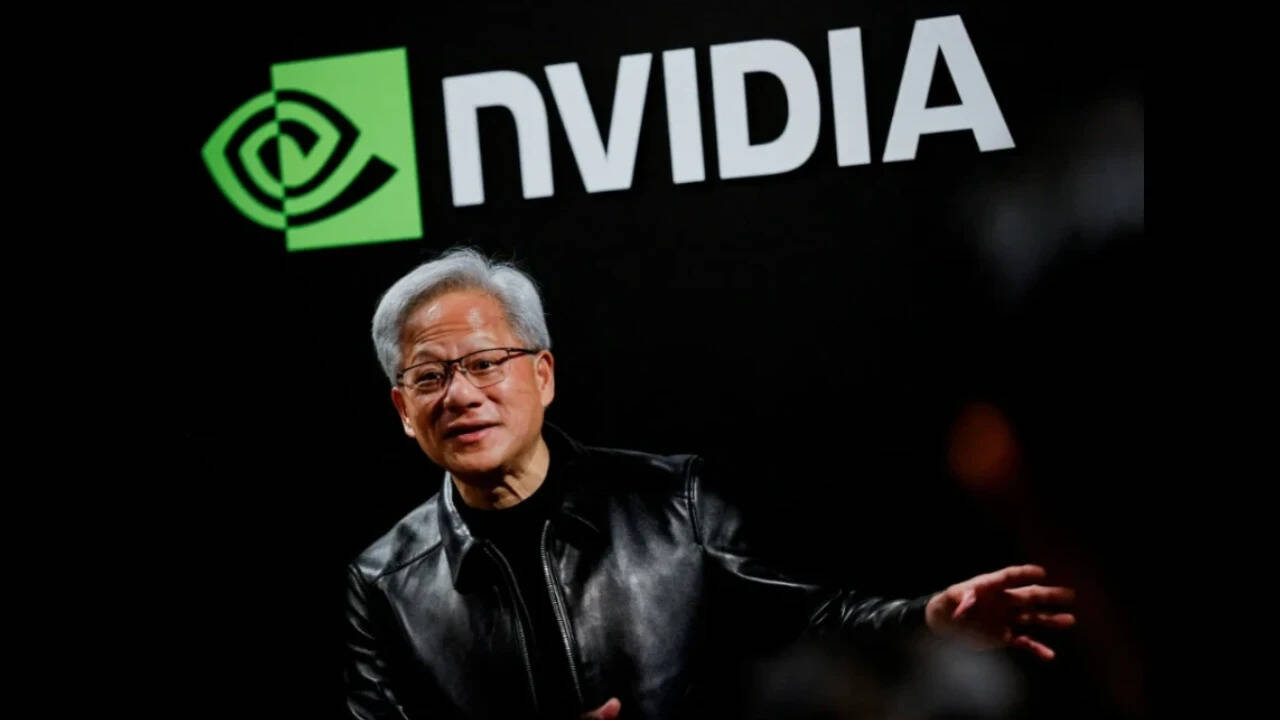
The dinner footage looked harmless enough until Washington connected the dots. On May 22, 2025, livestreams outside a Taipei restaurant during Computex caught Nvidia CEO Jensen Huang—dressed in his usual black—wrapping an arm around a woman in a pink dress as she kissed his cheek. Her name is Alice Huang, also known as Huang Le. She isn't related to the Nvidia boss. And according to U.S. intelligence officials, she maintained contact with China's Ministry of State Security (MSS) for more than a year while running a Singapore-based firm buying advanced Nvidia chips in bulk.
When the scandal broke in late October and early November 2026, most coverage focused on the tabloid angle—an extramarital affair, a brief resignation, and Jensen Huang's stunning reinstatement 11 days later. That misses the real story. In Taipei, national security officials weren't worried about Silicon Valley boardroom drama. They were staring at a glaring counterintelligence loophole in how Taiwan screens visitors at the center of the global semiconductor supply chain.
How Alice Huang Slipped Into Taipei Unnoticed
Taiwan maintains some of the strictest entry controls in Asia for mainland Chinese citizens. Because Beijing claims sovereignty over the self-ruled island, mainland passport holders have to apply for special authorization, submit detailed itineraries, and clear background checks before boarding a flight to Taoyuan.
Alice Huang didn't use a mainland Chinese passport.
During a legislative session on November 11, 2026, Taiwan's Interior Minister Liu Shyh-fang and National Immigration Agency Director-General Lin Horng-en confirmed that Huang entered the island using a Hong Kong passport. Hong Kong residents face far lighter bureaucratic hurdles than mainlanders when traveling to Taiwan. Liu was unusually candid with lawmakers about the failure. "If we had known she was a spy, we certainly would not have let her enter Taiwan," she told the legislature, before announcing that Taipei had permanently revoked Huang's entry permit.
Here's the part that rattled Taiwanese lawmakers even more. According to The New York Times, Taiwanese authorities had actually begun tracking Huang's trips back in 2024 at the suggestion of U.S. officials who were scrutinizing her company's massive AI chip orders. Immigration officials knew every time she landed and departed. Yet because her travel documents were issued in Hong Kong and no formal espionage charges had been filed at the time, she walked right through border control—even attending high-profile Computex events alongside the most influential executive in artificial intelligence.
Why Taipei's Probe Matters More Than Boardroom Gossip
If you work anywhere near semiconductor policy or export compliance, you know Taipei isn't just another stop on a tech executive's tour. Taiwan is where Nvidia's chips are actually fabricated by TSMC and packaged into the servers powering global AI data centers. Every June during Computex, Taipei turns into an unguarded convention floor where chip architects, supply-chain executives, and cloud buyers mingle over late-night banquets.
That informal environment is a counterintelligence nightmare.
Taipei's national security agencies—working alongside investigators in the United States and Singapore—opened an active probe into what Huang was doing during her visits, who she met beyond Jensen Huang, and whether sensitive supply-chain or hardware details crossed the Taiwan Strait. Interior Minister Liu outlined a sweeping audit of Taiwan's border vetting protocols, specifically targeting three weak spots:
- Pre-screening: Cross-referencing Hong Kong passport applicants against allied intelligence watchlists and corporate registry data before permits are issued.
- Interim spot checks: Conducting active interviews and monitoring movements when high-risk tech buyers attend major exhibitions like Computex.
- Post-visit audits: Reviewing who foreign executives met with inside Taiwan's semiconductor ecosystem after they leave.
Beijing's Foreign Ministry dismissed the espionage allegations as "purely unsubstantiated and directed at smearing China". Meanwhile, U.S. intelligence leaks to The Wall Street Journal added an important nuance—while intercepts showed Alice Huang communicated with an MSS officer during her relationship with Jensen Huang, the intelligence did not definitively prove she was tasked with stealing classified U.S. secrets.
Honestly, she didn't need to steal blueprints to be useful to Beijing. Commercial access to restricted hardware is worth billions on its own.
The Megaspeed Pipeline and Chip Export Controls
To understand why Washington tipped off Taipei in 2024, you have to follow the hardware. Born in December 1982, Alice Huang built a career in finance at HSBC Hong Kong and CITIC Securities before partnering with her husband, Kang Wei, at the private equity firm Hexi Capital. By 2020, the pair had pivoted into data centers, building an AI computing facility in Shanghai for Tencent.
In March 2023—just months after the Biden administration imposed sweeping export controls blocking advanced AI chips from reaching China—Alice Huang became the controlling shareholder of a little-known Singaporean company called Megaspeed. By November 2023, Megaspeed had secured status as an official Nvidia Cloud Partner, giving it priority access to top-tier GPUs. Its biggest anchor customer was Chinese tech giant Alibaba.
The numbers tell the story better than any spy thriller:
- Megaspeed purchased billions of dollars' worth of advanced Nvidia hardware through Southeast Asian entities.
- U.S. and Singaporean authorities launched parallel investigations into Megaspeed in June 2025 over suspicions that those chips were being diverted or leased to Chinese clients in violation of U.S. export rules.
- Singapore held Alice Huang's passport for months during questioning before letting her leave and barring her from returning. She has since relocated to Beijing, where corporate records show she registered new Hong Kong shell entities in mid-2026.
- On November 24, 2026, the U.S. government officially added Megaspeed to its trade blacklist, cutting it off from American technology.
Megaspeed has maintained that it conducts lawful business and noted that Alice Huang stepped down from her formal executive role in August 2025. Yet investigators found that former Megaspeed personnel quickly reconstituted operations under a new entity called Novagate Cloud, which continued marketing data centers running Nvidia's latest Blackwell chips. That's the exact shell-game pattern export enforcement teams struggle to stop.
What Companies and Security Teams Can Learn From the Fallout
Whether you view Alice Huang as an intelligence asset or an opportunistic middleman exploiting gray-market demand, the Taipei investigation exposes blind spots that affect every hardware vendor, cloud provider, and cross-border investor operating in Asia.
Don't Rely on Passport Nationality for Vetting
Taiwan's immigration overhaul proves a basic rule of modern due diligence—travel documents don't reflect beneficial ownership or political alignment. Screening partners solely by where a passport or corporate registration was issued (Hong Kong, Singapore, Malaysia) misses the underlying capital structure. Compliance teams have to trace ultimate beneficial owners back through shell companies and historical shareholdings before granting priority partner status.
Treat Trade Shows as High-Risk Counterintelligence Zones
Executives drop their guard at industry dinners. Photos from Taipei showed how easily an executive at the center of an active export-control probe could sit shoulder-to-shoulder with a CEO in front of television cameras. Security briefings before major events in Taipei, Seoul, or Singapore shouldn't just cover physical safety—they need to flag specific attendees and entities under regulatory scrutiny.
Watch for Reconstituted Entities After Enforcement Actions
Adding a single company to a blacklist rarely ends a procurement network. When Megaspeed came under pressure in 2025, the operational team simply shifted to Novagate Cloud. If your organization supplies controlled hardware, software, or cloud compute, audit incoming orders for overlapping directors, shared physical data center addresses, and identical downstream customer profiles rather than waiting for Washington or Taipei to update a sanctions list.