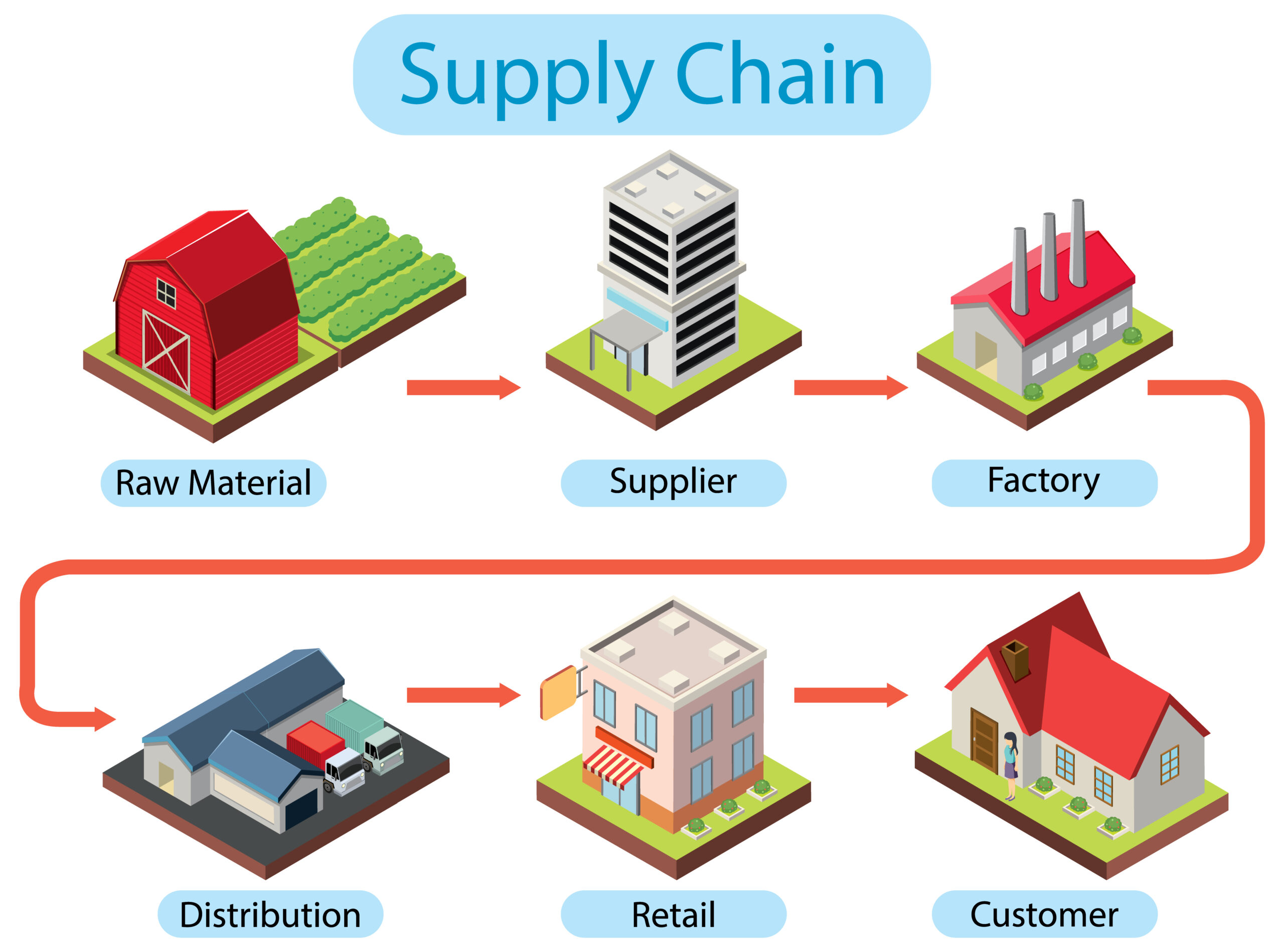
The recent diversion of sensitive F-35 fighter jet components from Australia to Hong Kong exposes deep structural weaknesses within global defense supply chains. Rather than representing an isolated administrative anomaly, this logistics failure reflects systemic blind spots in tracking high-value military hardware across international borders. When critical logistics nodes fail, the resulting exposure vector presents severe national security implications that extend far beyond simple human error or a missed email notification.
The Mechanics of Supply Chain Disruption
Global military logistics relies on multi-tiered networks involving original equipment manufacturers, third-party freight forwarders, and allied defense ministries. The movement of classified or proprietary components requires end-to-end chain of custody protocols. When a shipment destined for United States repair facilities is misrouted through a jurisdiction under the legal influence of a strategic competitor, the vulnerability stems from three primary breakdown points:
- Endpoint Verification Deficits: Facilities handling international transfers frequently lack real-time digital tracking integration with primary defense oversight bodies, creating visibility blackouts during transit.
- Third-Party Intermediary Risk: Outsourcing logistics management to commercial carriers introduces commercial routing efficiencies that occasionally conflict with strict security routing rules.
- Documentation Lag: Manual manifest verification processes often fail to flag discrepancies before physical cargo crosses customs borders into high-risk territories.
Quantifying Accountability and Transparency Gaps
Recent findings from oversight institutions like the Government Accountability Office underscore a broader crisis in defense asset management. The inability to fully account for billions of dollars worth of spare parts indicates that supply chain tracking systems are chronically outdated.
[Origin: Australia]
       │
       ▼ (Commercial Routing Shift)
[Intermediary Node: Unmonitored Transfer]
       │
       ▼ (Customs / Documentation Failure)
[Destination Compromise: Hong Kong]
This structural opacity creates an environment where physical diversion goes undetected until cargo manifests are reconciled post-delivery. The economic scale of missing inventory directly correlates with the probability of unauthorized technology acquisition by foreign intelligence agencies.
Reverse Engineering Risks and Technological Exposure
When advanced stealth components—such as radar absorbent materials, specialized avionics casings, or micro-actuators—enter foreign jurisdictions without oversight, the recipient gains material for analysis. While physical possession of a sub-component does not automatically grant software source code or manufacturing blueprints, it permits metallurgical analysis and reverse engineering of material properties.
- Material Composition Analysis: Access to physical hardware allows laboratories to determine alloy structures, thermal tolerance thresholds, and radar signature mitigation techniques.
- Interface Mapping: Physical pins and data connectors reveal communication protocols used between modular sub-systems.
Strategic Mitigation Protocols
To neutralize these vulnerabilities, defense logistics frameworks must transition from reactive auditing to proactive, immutable tracking architectures.
- Mandatory Cryptographic Manifests: Implement blockchain-backed digital ledgers for every movement of classified sub-components, requiring multi-party digital signatures at every transfer checkpoint.
- Restricted Corridors: Prohibit commercial routing through foreign jurisdictions with legal frameworks that compel data or asset surrender to local governments.
- Automated Anomaly Interception: Deploy machine learning models on transport networks to instantly flag route deviations or manifest discrepancies before shipments leave allied airspace.