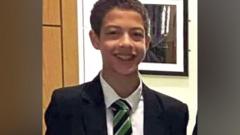
The search for answers in the heartbreaking death of Belfast teenager Noah Donohoe just took an exhausting, agonizing turn. After six months of grueling evidence and three straight days of intense jury deliberations, the Belfast Coroner’s Court hit a wall in the middle of the night.
In a courtroom sitting that stretched until 12:50 AM on Friday, Mr Justice Rooney made the unprecedented call to halt everything. He adjourned the inquest until later in the year. The reason? The jury ran out of time, and then they ran out of jurors. Four of the ten jury members were scheduled to fly out on pre-booked summer holidays. Forced to choose between rushing a exhausted jury into a compromised verdict or pausing the wheels of justice, the judge chose to wait.
This means Fiona Donohoe, Noah's mother, who has sat through every single minute of this painful process, has to wait months longer just to hear the official findings.
The Midnight Crisis in the Courtroom
An inquest sitting past midnight is completely unheard of in Northern Ireland. The tension inside the Royal Courts of Justice—where the proceedings had been moved from Laganside to accommodate the late-night hours—was thick.
The jury had been deliberating for nearly 24 hours across three days. They were exhausted. They were tasked with answering 10 specific, critical questions about how the 14-year-old schoolboy ended up naked in a storm drain in North Belfast back in June 2020. Key among those questions is the exact date Noah died, and whether serious blunders by the Police Service of Northern Ireland (PSNI) played a direct role in the tragedy.
Mr Justice Rooney was incredibly blunt about the situation. He told the court that forcing a verdict at nearly one in the morning would be totally wrong. The jury was operating in uncharted waters. They were deadlocked, unable to reach the required unanimous verdict, and time simply evaporated.
Because jurors are now dispersed for the summer, the entire process is frozen. The jury remains officially active and under strict instruction not to discuss the case, but the court won't reconvene until August or September.
What the Jury Has to Decide
This isn't a standard, straightforward case. The scale of the evidence presented since January is staggering. We are talking about testimony from 76 live witnesses, written statements from another 42 people, and mountains of CCTV logs, expert reports, and maps.
To understand why the jury is stuck, you have to look at what they are actually being asked to determine. They aren't just filling out a form; they are dissecting a highly controversial timeline.
- The Police Response: Did the PSNI miss vital clues? The inquest previously revealed that police completely missed Noah on CCTV footage filmed just minutes before he vanished.
- The Laptop Theft: A man named Daryl Paul later pleaded guilty to stealing Noah’s laptop from his abandoned backpack, later admitting he lied to police during the initial search.
- The Cause of Death: While a post-mortem concluded Noah died from drowning, the bizarre circumstances—like why he discarded his bicycle and clothing—have left a massive void of certainty.
Four mental health experts testified during the six-month hearing that they found no evidence of mental illness contributing to Noah's actions. This leaves the jury to piece together a fragmented puzzle of missing items, barefoot sightings, and conflicting timelines based purely on the hard evidence permitted in court.
The Cost of Waiting
For the public, the delay is frustrating. For Fiona Donohoe and her legal team, it's a profound emotional burden. The momentum of a six-month inquest has been completely broken.
When courts try to push through exhaustion, mistakes happen. The judge made the legally sound choice to protect the integrity of the findings, but it leaves a grieving family in limbo for another two to three months.
If you're following this case, the next steps are strictly bureaucratic but incredibly vital. Legal teams will spend the summer reviewing the massive transcripts from the 76 witnesses to prepare for the final leg. The court will monitor the availability of the ten jurors to lock down a precise resumption date in late summer. When court resumes, the jury will go straight back into isolation to resume deliberations on those 10 pivotal questions. The long wait for transparency continues.
You can watch an in-depth breakdown of the legal arguments surrounding the case in this Noah Donohoe Inquest courtroom analysis which provides daily context from the journalists covering the trial.