An extended cold weather alert projecting ambient temperatures down to -10°C represents more than a meteorological inconvenience; it signals an imminent operational stress test across municipal infrastructure, physiological resilience, and energy distribution networks. Standard weather reporting treats a prolonged cold snap as a passive event defined solely by thermometer readings. In practice, the severity of an extended freeze is governed by cumulative thermal debt, atmospheric moisture levels, and the structural vulnerabilities of built environments engineered for temperate baselines. To mitigate damage and protect vulnerable populations when temperatures breach the -10°C threshold, decision-makers and individuals must shift from reactive bundling to systematic thermal management.
The Thermodynamics of an Extended Cold Weather Alert
A single night at -10°C produces fundamentally different physical outcomes than seventy-two consecutive hours at the same temperature. The critical variable is thermal mass depletion. Buildings, soil, asphalt, and water mains act as heat batteries that absorb solar radiation and ambient warmth during normal weather. When an atmospheric blocking pattern locks cold air over a region, these materials continuously radiate heat outward until they reach thermal equilibrium with the frigid air.
Once thermal mass is depleted, failure rates accelerate non-linearly.
- Soil Frost Penetration: As surface heat escapes, the frost line drives deeper into the ground. Water mains buried above the regional frost depth face direct conductive freezing, which leads to catastrophic pipe bursts not necessarily during the peak cold, but when temperatures eventually rise and ice plugs shift under hydrostatic pressure.
- Building Envelope Degradation: Standard residential insulation slows heat transfer; it does not stop it. Over an extended alert period, the temperature gradient between a 20°C interior and a -10°C exterior creates sustained vapor drive. Warm, moist indoor air pushes into wall cavities, condenses against cold sheathing, and freezes, temporarily reducing the R-value of fiberglass or cellulose insulation and accelerating structural rot upon thawing.
- Atmospheric Stability and Wind Chill: Extended cold events are frequently driven by high-pressure anticyclones. While clear skies maximize radiative cooling at night—pushing temperatures down to the -10°C mark—even minor barometric pressure gradients generate wind. Wind strips away the thin boundary layer of warm air clinging to skin and building exteriors, dramatically increasing convective heat loss.
Physiological Stress Mechanics Below Freezing
Human thermoregulation relies on maintaining a core temperature near 37°C. At -10°C, the body faces an immediate thermodynamic deficit that triggers a cascade of cardiovascular and metabolic adjustments. Standard public health advice focuses almost exclusively on frostbite and hypothermia, overlooking the primary driver of excess winter mortality: acute cardiovascular events.
When skin thermoreceptors register sub-zero temperatures, the sympathetic nervous system initiates peripheral vasoconstriction. Blood vessels in the extremities narrow to shunt warm blood toward vital organs. This mechanism preserves core heat at the direct expense of systemic vascular resistance. Blood pressure spikes, and the heart must work significantly harder to pump blood through constricted pathways.
Simultaneously, cold exposure induces hemoconcentration. As fluid shifts out of the intravascular space into interstitial tissues to manage pressure, blood viscosity increases. Platelets and red blood cells become more densely packed, elevating the risk of arterial thrombosis. For individuals with underlying atherosclerosis or hypertension, stepping outside into -10°C air—especially while performing sudden exertion like clearing snow—creates a precise physiological trigger for myocardial infarction or stroke.
Respiratory vulnerability compounds this cardiovascular strain. Cold air holds negligible moisture. At -10°C, the saturation vapor pressure of air is extremely low, meaning even 100% relative humidity represents absolute dryness. Inhaling this air forces the upper respiratory tract to rapidly warm and humidify it before it reaches the alveoli. This process dehydrates the mucosal lining, impairs mucociliary clearance, and triggers bronchoconstriction in individuals with asthma or chronic obstructive pulmonary disease.
Energy Grid Vulnerability and the Peak Demand Trap
Extended cold alerts expose the structural fragility of regional power grids. As ambient temperatures drop toward -10°C, heating demand surges across residential, commercial, and industrial sectors simultaneously. The operational danger lies in the intersection of peak demand and reduced generation efficiency.
In regions reliant on heat pumps for residential heating, -10°C represents a critical efficiency inflection point. Air-source heat pumps extract thermal energy from outside air. As outdoor temperatures drop below freezing, the Coefficient of Performance (COP) declines steadily. At -10°C, older or non-cold-climate heat pump units lose substantial capacity and automatically engage backup electric resistance heating strips. Electric resistance heating consumes up to three times more electricity per unit of heat delivered than a functioning heat pump, causing an abrupt, synchronized spike in grid load.
Supply-side constraints mirror this demand surge:
- Natural Gas Wellhead Freeze-Offs: Cold weather increases gas demand for both home heating and gas-fired power plants. However, trace water vapor in natural gas pipelines can freeze at wellheads and compressor stations when temperatures hit -10°C, choking supply precisely when power generators require maximum fuel volume.
- Battery Storage Derating: Lithium-ion grid batteries and electric vehicle fleets experience increased internal resistance in sub-zero conditions. Charging speeds slow down, and usable discharge capacity drops unless thermal management systems consume significant parasitic energy to keep battery packs warm.
- Mechanical Embrittlement: Steel components in wind turbines, rail switches, and overhead transmission lines lose ductility in extreme cold. Combined with ice accumulation from freezing fog—a common phenomenon during high-pressure cold snaps—transmission lines face heightened risks of galloping and structural failure.
Tactical Mitigation Framework for Sub-Zero Operations
Managing an extended -10°C event requires prioritizing interventions based on failure probability and consequence severity. Superficial measures waste resources; effective mitigation targets specific thermodynamic bottlenecks.
Residential and Commercial Building Protection
Preventing water damage requires maintaining positive thermal energy at vulnerable plumbing junctions. Pipes routed through unconditioned spaces—such as crawl spaces, attics, or exterior walls—are the primary failure points.
- Eliminate Air Infiltration First: Conductive heat loss through walls is slow; convective heat loss through gaps is immediate. Sealing drafts around sill plates, window frames, and utility penetrations stops cold air from blowing directly across interior plumbing.
- Maintain Continuous Drip Flow: Opening faucets slightly to allow a slow trickle of water relieves pressure buildup between an ice blockage and the closed valve. Moving water also requires a lower temperature to freeze due to kinetic energy and continuous thermal replenishment from underground mains.
- Open Cabinetry Doors: Kitchen and bathroom sinks mounted against exterior walls suffer from micro-climates inside closed cabinets that can be 5°C to 10°C colder than the surrounding room. Opening cabinet doors allows ambient room air to circulate around P-traps and supply lines.
- Hold Thermostat Setpoints Steady: Aggressive night-time thermostat setbacks are counterproductive during a -10°C alert. Allowing a building's interior mass to cool overnight forces the heating system to run continuously at maximum capacity the next morning, risking system failure and preventing heat from reaching perimeter walls where pipes reside.
Personal Thermal Management and Exposure Limits
Surviving prolonged sub-zero exposure without physiological degradation depends on moisture control and blood flow preservation rather than sheer insulation thickness.
- Execute a Three-Layer Clothing Architecture: The base layer must consist of synthetic fibers (polypropylene, polyester) or merino wool to wick perspiration away from the skin; cotton retains moisture and accelerates conductive cooling by roughly 25 times compared to air. The middle layer traps dead air using fleece or down. The outer shell must be windproof to prevent convective stripping of the trapped warm air.
- Protect Extremities Without Restricting Circulation: Tight boots or double-layered socks compress capillaries in the feet, accelerating frostbite by cutting off warm blood supply. Footwear must allow toe movement while accommodating thermal socks. Mittens outperform gloves at -10°C because fingers share radiant heat within a single air pocket.
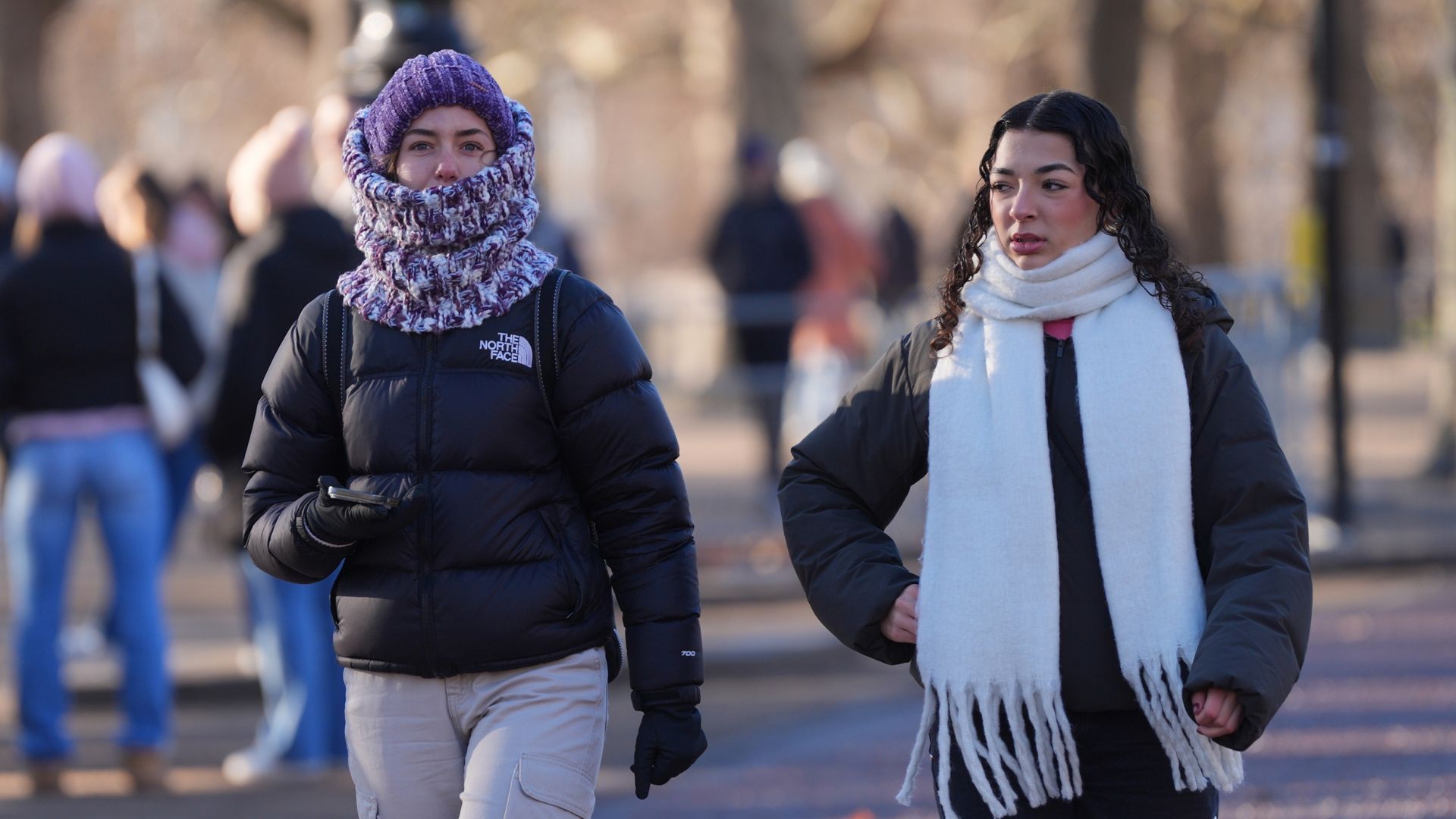
- Pre-Warm the Respiratory Tract: Covering the mouth and nose with a breathable wool gaiter or scarf creates a localized micro-climate. Exhaled moisture and heat are trapped in the fabric weave, pre-warming and humidifying the next inhalation to prevent bronchospasm.
Transportation and Mobility Readiness
Vehicle failures spike sharply at -10°C due to predictable electrochemical and fluid-dynamic limits.
- Lead-Acid Battery Reserve Management: A standard 12-volt automotive battery loses approximately 35% to 50% of its cranking power at -10°C, while thickened engine oil requires significantly more torque to turn over. Batteries older than three years operate near their failure threshold during extended freezes and should be load-tested prior to temperature drops.
- Tire Pressure Compensation: Air contracts as it cools, dropping tire pressure by roughly 1 PSI for every 5.5°C decrease in ambient temperature. Driving on underinflated tires in freezing conditions degrades traction on black ice and increases sidewall flex, risking blowouts.
- Fuel Line and Diesel Gelling Prevention: Keeping fuel tanks at least half full minimizes air space inside the tank, preventing atmospheric moisture from condensing on interior tank walls and freezing in fuel lines. For diesel engines, -10°C approaches the cloud point where paraffin wax crystallizes, clogging fuel filters unless winterized fuel blends or anti-gel additives are introduced before the cold arrives.
Limitations of Standard Winterization Protocols
No residential or municipal system is entirely immune to prolonged sub-zero stress, and standard preparedness advice carries distinct operational boundaries.
First, passive insulation and pipe wrapping only delay freezing; they do not generate heat. If a power outage occurs during a -10°C alert, unheated structures will eventually drop below freezing regardless of insulation quality. Once indoor temperatures fall below 0°C, the only definitive protection against burst pipes is shutting off the main water supply and draining the plumbing system entirely via the lowest fixtures.
Second, portable backup heating introduces severe secondary hazards. Unvented fuel-burning heaters (kerosene, propane) consume indoor oxygen and emit carbon monoxide and nitrogen dioxide. Furthermore, burning hydrocarbon fuels releases substantial water vapor, which rapidly condenses on cold interior surfaces, creating slip hazards and promoting mold growth. Backup power reliance on portable generators requires strict outdoor placement at least six meters from building openings to prevent fatal exhaust infiltration.
Third, public weather alerts inherently suffer from spatial resolution limits. A regional forecast predicting -10°C reflects standardized measurements taken two meters above ground in open areas. Micro-climates—such as low-lying valleys where dense cold air pools (cold air drainage) or wind tunnels between urban high-rises—regularly experience temperatures 3°C to 5°C colder than official readings. Relying solely on regional averages leads to systematic underestimation of localized freeze risks.
Strategic Allocation of Readiness Resources
When facing an extended cold weather alert projecting -10°C, households and facility managers must execute a strict triage sequence before the temperature gradient peaks. Stop spending time on low-impact cosmetic weatherproofing and immediately secure the three highest-consequence failure points: thermal continuity, water pressure relief, and backup power isolation. Verify fuel reserves, confirm that vulnerable pipes have active water movement or direct heat exposure, and establish a non-electric contingency plan for heating a single, easily isolated interior room in the event of grid failure.