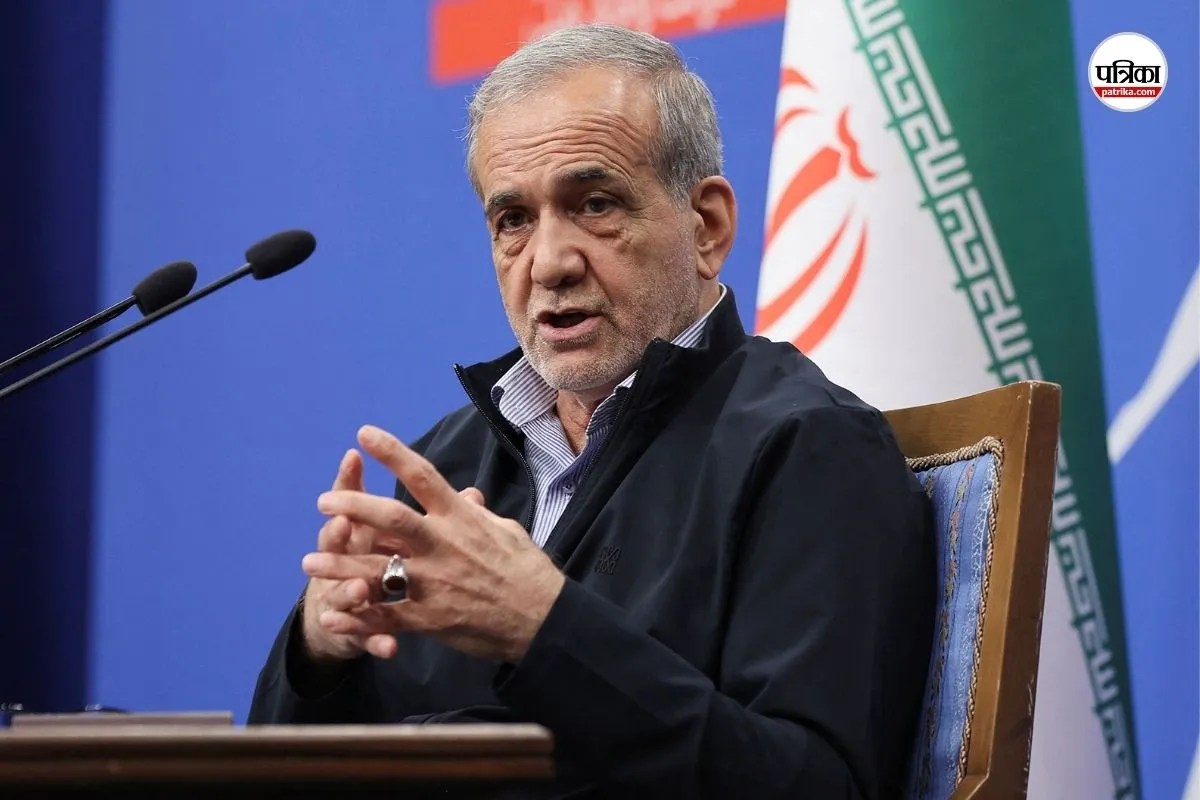
Geopolitical rhetoric frequently substitutes emotional hyperbole for structural critique, yet official statements from state ministries often lay bare the fundamental power asymmetries of international relations. Recent commentary from Tehran targeting Ottawa's foreign policy orientation highlights a classic condition of asymmetric alignment: the price of subaltern loyalty within a dominant security architecture. By framing Canada's posture through the lens of economic and political subordination to Washington, Iranian state communications attempt to exploit existing friction points between middle powers and their hegemonic anchors. Understanding this dynamic requires moving past diplomatic theater to examine the actual cost functions, institutional bindings, and strategic constraints governing middle power choices during systemic military escalations.
The Asymmetric Cost Function of Subaltern Alignment
Middle powers operating within a unipolar or heavily polarized security framework face a distinct set of structural trade-offs. Canada's integration into North American defense architecture via NORAD and broader bilateral security pacts creates a high-dependency equilibrium. When systemic shocks occur—such as the 2026 military hostilities involving the United States, Israel, and Iran—middle powers cannot easily decouple their strategic identity from the primary hegemon without incurring severe economic and defensive penalties.
The Iranian Ministry of Foreign Affairs explicitly pointed to this structural dependency by contrasting trade friction, economic tariffs, and bilateral pressures from Washington with Ottawa's diplomatic and maritime stabilization gestures. From a rational choice perspective, this reveals a perceived asymmetry in returns:
- The subaltern state absorbs collateral diplomatic fallout, economic signaling costs, and regional exposure.
- The dominant state retains unilateral decision-making autonomy regarding the initiation of hostilities.
Ottawa's official posture—balancing non-participation in direct offensive strikes with willingness to support coalition objectives such as reopening the Strait of Hormuz and implementing targeted sanctions—represents an attempt to minimize the variance of this cost function. It signals enough compliance to satisfy alliance maintenance requirements while attempting to cap exposure to direct kinetic retaliation.
Institutional Bindings and Operational Integration
A core driver of middle power behavior during major kinetic events is institutional path dependency. Modern military command structures, intelligence sharing frameworks, and industrial defense baselines cannot be instantaneously reconfigured based on shifts in public sentiment or diplomatic discomfort.
While public polling in Canada demonstrates substantial domestic weariness and skepticism regarding military interventions in the Middle East, operational integration with the United States creates a gravitational pull that overrides public hesitancy. The presence of Canadian personnel within broader coalition logistical footprints—such as instances involving regional logistics hubs—demonstrates that structural defense commitments operate independently of short-term political rhetoric. Tehran's critique targets this exact vulnerability, characterizing institutional alignment not as a sovereign choice, but as an automatic reflex of subordination.
The Utility of Rhetorical Interventions from Tehran
From the perspective of Iranian grand strategy, directing sharp rhetorical barbs at secondary coalition members serves a distinct utility. Direct confrontation with the primary hegemon is managed through military deterrence and proxy networks; however, splitting the coalition requires applying diplomatic pressure on its margins.
By publicly mocking the disproportionate nature of the relationship—highlighting trade disputes alongside security alignment—Iran attempts to achieve three distinct objectives:
- Amplifying domestic political divisions within middle power states by validating internal anti-interventionist narratives.
- Raising the reputational cost for secondary states considering active maritime or logistical participation in coalition enforcement actions.
- Framing the conflict globally as a unilateral imposition rather than a multilateral consensus, thereby degrading the moral legitimacy of coalition initiatives.
Strategic Outlook for Middle Power Foreign Policy
The friction between Ottawa and Tehran underscores the narrowing margin of maneuver for middle powers in high-intensity geopolitical conflicts. As international alignments fracture further, states caught in the gravitational pull of larger security umbrellas will continue to experience acute policy dissonance between domestic preferences and systemic obligations. Managing this tension requires explicit risk mitigation rather than rhetorical appeasement, as structural dependencies leave little room for independent neutrality when core alliance architecture is activated.

:max_bytes(150000):strip_icc()/lake-mead-173940030-5c25228846e0fb00014e8584.jpg)
