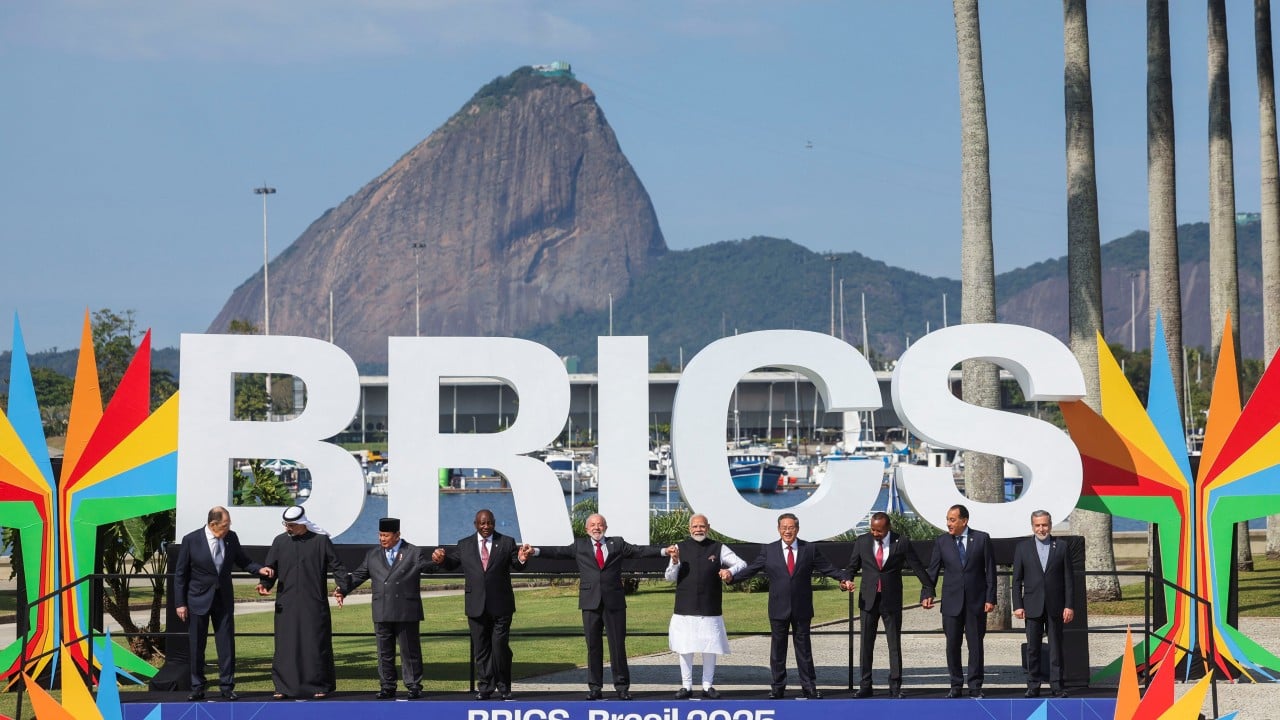
Evaluating the recent diplomatic invitation extended by New Delhi to Dhaka for the upcoming multilateral economic summit requires stripping away traditional diplomatic rhetoric and examining the underlying architecture of regional power distribution. When an anchor state invites a volatile neighbor to an exclusive economic bloc outreach session, the underlying driver is neither simple hospitality nor incidental regional networking. The maneuver represents a calculated structural calibration designed to manage security externalities, secure supply chain predictability, and counter competing extra-regional influence through calibrated multilateral engagement.
The Macroeconomic Incentive Structure
The decision by India to invite Bangladesh Prime Minister Tarique Rahman to the New Delhi summit as the current chair of the Bay of Bengal Initiative for Multi-Sectoral Technical and Economic Cooperation (BIMSTEC) operates on a distinct economic logic. Bangladesh functions as a critical geographical and logistical bridge connecting South Asia to Southeast Asia.
For New Delhi, incorporating Dhaka into structured multilateral discussions serves three distinct optimization functions:
- Trade Corridor Friction Reduction: Minimizing border transit delays and streamlining trans-shipment protocols lowers logistics costs for northeastern Indian states, shifting trade dynamics from high-friction bilateral negotiations to predictable multilateral frameworks.
- Capital Allocation Control: Directing regional infrastructure funding through transparent multilateral mechanisms limits the unconstrained expansion of opaque external lending frameworks that have historically complicated regional debt sustainability.
- Energy Grid Interconnectivity: Expanding cross-border power transmission lines requires synchronized regulatory environments. Multilateral forums provide the baseline standards necessary to execute capital-intensive energy swaps smoothly.
Despite these clear integration benefits, systemic friction points persist. Dhaka faces an internal balancing act regarding its external economic dependencies. While existing export configurations—heavily concentrated in ready-made garments—rely on stable Western market access, raw material inputs and capital machinery imports require diversified commercial sourcing. Navigating this environment without alienating either Beijing or New Delhi constitutes the core optimization challenge for Bangladeshi statecraft.
The Geopolitical Risk Matrix
Bilateral friction between India and Bangladesh intensified following political transitions in Dhaka and concurrent electoral shifts in Indian border states. Domestic political rhetoric on both sides frequently introduces volatility into official state-to-state relations, creating an unstable operating environment for diplomats.
Assessing the risk matrix requires analyzing the structural costs of non-engagement versus participation:
[Domestic Political Opposition]
       │
       ▼
[Risk of Concession Perception] ──> [Bilateral Stalemate] ──> [Supply Chain Bottlenecks]
       ▲
       │
[Extra-Regional Alternative (Beijing/Moscow)]
When Dhaka evaluates whether to accept the invitation, policymakers must weigh the immediate domestic political hazards against long-term strategic isolation. Accepting an invitation to an Indian-hosted summit carries domestic optics risks for a newly established administration sensitive to public perceptions of external overreach. Conversely, declining the offer risks signaling a permanent diplomatic freeze, which would freeze vital security dialogues, complicate cross-border river water management talks, and stall crucial economic agreements.
Multilateral Hedging as a Statecraft Mechanism
Developing nations situated between major global poles frequently utilize multilateral groupings to maximize diplomatic optionality. Bangladesh has previously expressed formal interest in expanding its institutional integration within emerging economic blocs, securing endorsements from select extra-regional member states.
However, attending a summit hosted by a primary regional rival without holding full membership status creates a complex strategic equation. It forces Dhaka to practice advanced diplomatic hedging. The mechanism relies on separating economic institutional participation from security-aligned commitments. By engaging strictly through functional economic blocs or regional forums like BIMSTEC, a developing economy can harvest capital investment and technical assistance while maintaining formal strategic non-alignment.
This strategy matches how regional middle powers operate when caught in wider structural competition between larger geopolitical heavyweights. Rather than picking a permanent bloc, the state acts as a swing vote, extracting economic concessions from multiple competing partners simultaneously.
The Immediate Strategic Play
The path forward for Dhaka depends entirely on transforming this multilateral invitation from a bilateral flashpoint into an institutional asset. The government must accept the outreach session invitation strictly within the functional capacity of its regional organization chairship, keeping the focus tightly centered on trade facilitation, maritime logistics, and climate resilience financing.
Simultaneously, New Delhi must pair this economic invitation with tangible concessions on longstanding bilateral irritants, such as predictable water-sharing frameworks and reduced border security frictions. If both capitals anchor their engagement in measurable economic deliverables rather than symbolic political gestures, the summit can transition from a temporary diplomatic photo opportunity into a permanent framework for managing regional stability.