Marine ecosystem rehabilitation requires the intersection of material science, hydrodynamic modeling, and municipal waste diversion. When environmental management agencies deploy thousands of tons of repurposed concrete infrastructure into nearshore coastal zones, the intervention functions as a complex ecological engineering project rather than simple dumping. Understanding the efficacy of these deployments requires breaking down the physical parameters of the substrate, the economic mechanics of material sourcing, and the biological colonization sequence that dictates long-term habitat productivity.
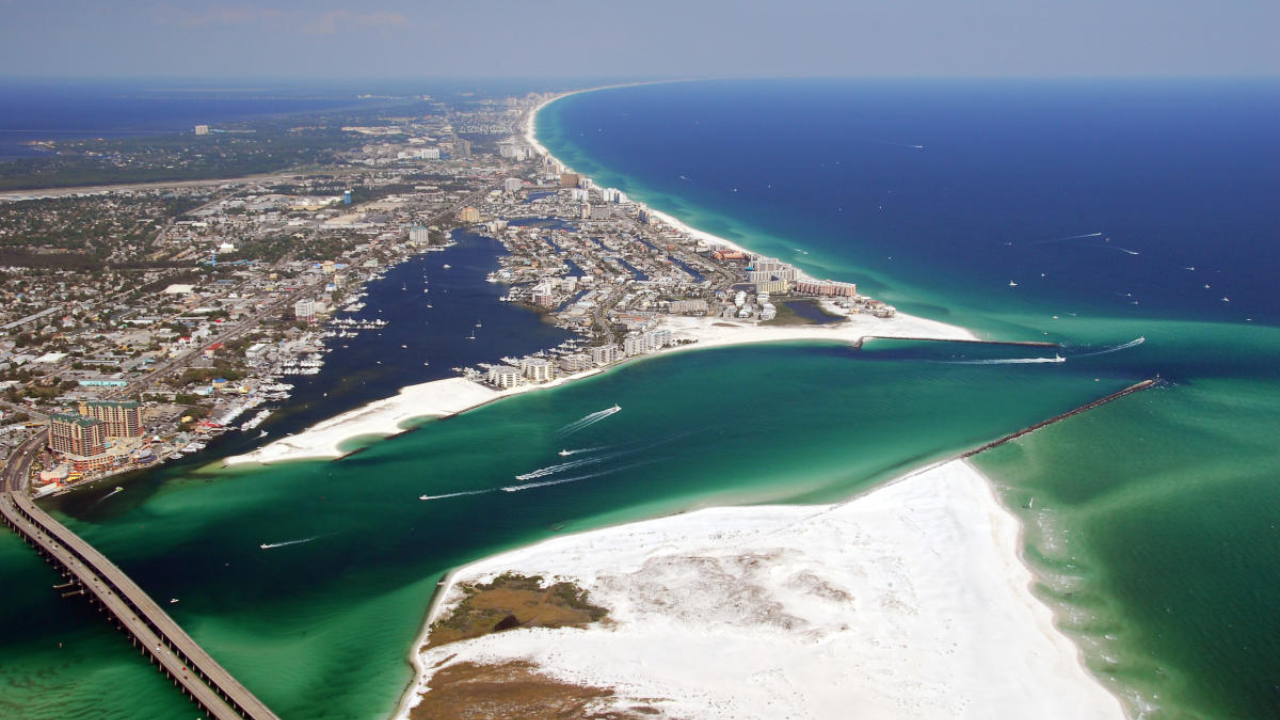
The deployment of heavy concrete structures off coastal regions such as Destin-Fort Walton Beach addresses a fundamental resource limitation in sandy marine environments. Natural hard-bottom habitats are often patchily distributed, creating ecological bottlenecks for reef-dependent species that rely on structural shelter for recruitment, foraging, and predator avoidance. By introducing high-density, durable substrates, coastal engineers artificially accelerate secondary succession, transforming featureless benthic plains into high-relief biological oases.
The Physical Substrate Parameter Matrix
The selection of material dictates the structural longevity and biological compatibility of an artificial reef. Repurposed concrete culverts, bridge components, and architectural remnants offer specific engineering advantages over manufactured reef modules, primarily centered on economic efficiency and structural mass.
To evaluate the utility of deployed culverts, three primary material variables govern success:
- Surface Roughness and Micro-Texture: Untreated or fractured concrete provides microscopic crevices and pitting that facilitate the settlement of larval invertebrates, particularly barnacles, oysters, and serpulid worms. Smooth, polished surfaces drastically reduce initial recruitment rates.
- Mass and Structural Stability: In high-energy coastal environments subject to tropical storm surge and severe wave action, lightweight materials experience displacement and burial. Concrete culverts possess the high specific gravity necessary to resist hydrodynamic shear stress, remaining stable during extreme weather events.
- Chemical Leaching Profile: Modern cured concrete is chemically stable, but alkaline surface leaching can initially alter local pH micro-environments. Over a brief curing period in marine conditions, this effect neutralizes, allowing encrusting organisms to deposit calcium carbonate without chemical inhibition.
The geometry of a culvert is particularly advantageous because it introduces internal void spaces. These spaces create velocity gradients, where water currents slow down inside the cylinder, providing resting zones for pelagic and demersal fish species while preventing constant energy expenditure against strong littoral drift.
Economic and Logistical Efficiency of Material Repurposing
The operational viability of large-scale marine habitat construction hinges on cost containment and waste stream redirection. Sourcing virgin materials—such as specially cast reef balls—involves substantial mold production, raw material extraction, and high energy costs associated with specialized manufacturing and transportation.
Utilizing surplus or decommissioned civil infrastructure creates an arbitrage opportunity between municipal waste management and environmental conservation budgets. The logistics chain operates through a precise sequence of operations:
- Material Audit and Decontamination: Before deployment, concrete elements undergo rigorous environmental screening to ensure the complete removal of toxic sealants, hydrocarbon residues, reinforcing steel protrusions that could entangle marine life, and hazardous contaminants.
- Transport Optimization: Staging yards must be situated adjacent to deep-water port facilities to minimize heavy truck transportation miles, balancing the carbon footprint of the land-based haul against the net ecological gain of the marine installation.
- Precision Placement: Using barge-mounted crane systems equipped with differential GPS positioning, engineers drop or lower modules onto pre-surveyed sandy bottoms. Random dumping results in structural piling and burial; targeted deployment patterns maximize spatial footprint and edge effects, increasing the interface area between the hard reef and the surrounding soft sediment.
This logistics model converts an expensive disposal problem for civil contractors into a high-value ecological asset, aligning municipal infrastructure updates with coastal conservation mandates.
Benthic Colonization and Ecological Succession Mechanics
The introduction of massive concrete structures initiates a predictable biological succession sequence. The rate and trajectory of this colonization depend heavily on local water temperature, ambient nutrient loads, and larval supply dynamics from nearby natural reefs.
Primary colonization begins within hours to days of immersion. Microscopic bacteria and benthic diatoms form an organic conditioning film on the concrete surfaces. This biofilm alters the chemical signature of the substrate, signaling to free-swimming invertebrate larvae that a suitable settlement site is available.
Secondary colonization occurs over weeks to months. Sessile filter feeders—including barnacles, hydroids, bryozoans, and early-stage bivalves—settle densely across the concrete faces. These organisms establish the foundational biomass of the artificial reef ecosystem, converting suspended particulate organic matter into concentrated tissue.
Tertiary succession involves mobile invertebrate predators and herbivorous grazers, such as sea urchins, crabs, and small gastropods, which arrive to feed on the biofilm and sessile growth. This influx of intermediate trophic biomass immediately attracts small reef-associated fish species, including damselfish, blennies, and juvenile groupers, seeking refuge from open-water predators.
As the structural community matures over a multi-year timeframe, apex predators and commercially valuable pelagic species—such as red snapper, amberjack, and king mackerel—integrate the artificial reef into their home ranges. The structural complexity of stacked culverts provides tiered vertical habitat, allowing multiple species with varying depth and shelter preferences to occupy the same spatial footprint without direct interspecific competition.
Hydrodynamic Alteration and Sedimentary Dynamics
Beyond biological attachment, large rigid structures modify local physical oceanography. When prevailing currents encounter a wall of stacked concrete culverts, the water mass is forced upward and around the obstruction.
This localized flow deflection creates two distinct hydrodynamic zones:
- Upstream and Crest Acceleration: Water velocity increases as it compresses over the top of the structure, preventing fine sediment accumulation and maintaining clean, scoured surfaces optimal for invertebrate larval attachment.
- Downstream Eddy Formation: On the leeward side of the deployment, a low-pressure wake zone develops. This eddy traps suspended nutrients, retains planktonic larvae within the habitat matrix, and reduces the swimming energy required by resident fish populations.
However, improper placement relative to strong longshore currents can induce localized scour, where accelerated water flow erodes the sand beneath the heavy concrete elements, causing structural subsidence. Mitigation requires pre-deployment geotechnical surveys of the benthic substrate bearing capacity, ensuring that massive installations settle uniformly without catastrophic structural tipping or burial.
Strategic Operational Outlook
The deployment of repurposed concrete infrastructure represents a mature convergence of civil engineering and marine ecology. Success is not defined merely by the tonnage of material submerged, but by the precision of site selection, the structural diversity of the array, and the elimination of chemical contaminants prior to immersion. As coastal regions face increasing pressure from habitat loss, sea-level rise, and intense commercial and recreational fishing pressure, optimized artificial reef deployment serves as a quantifiable mechanism to enhance biological productivity, stabilize benthic environments, and maintain coastal biodiversity.