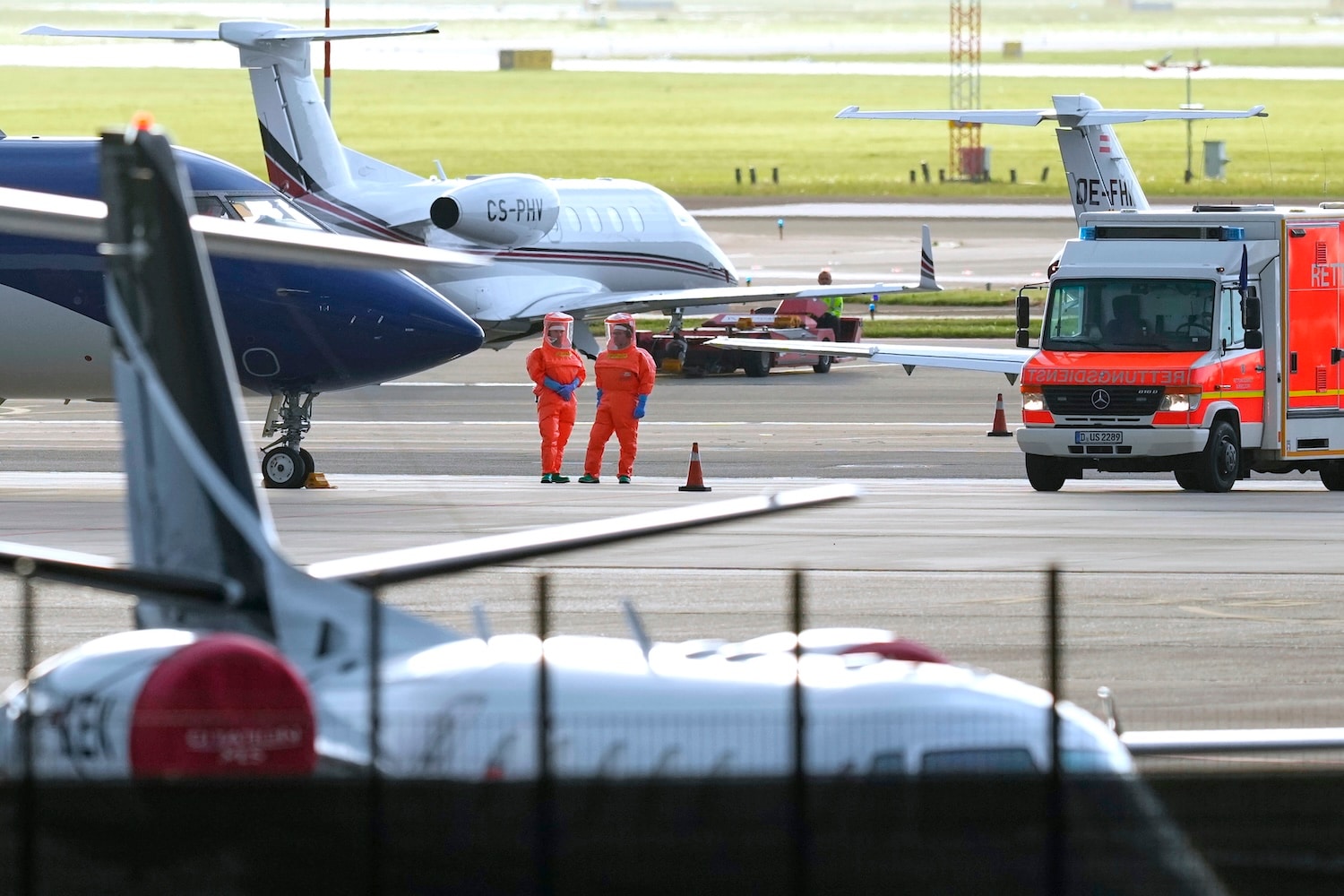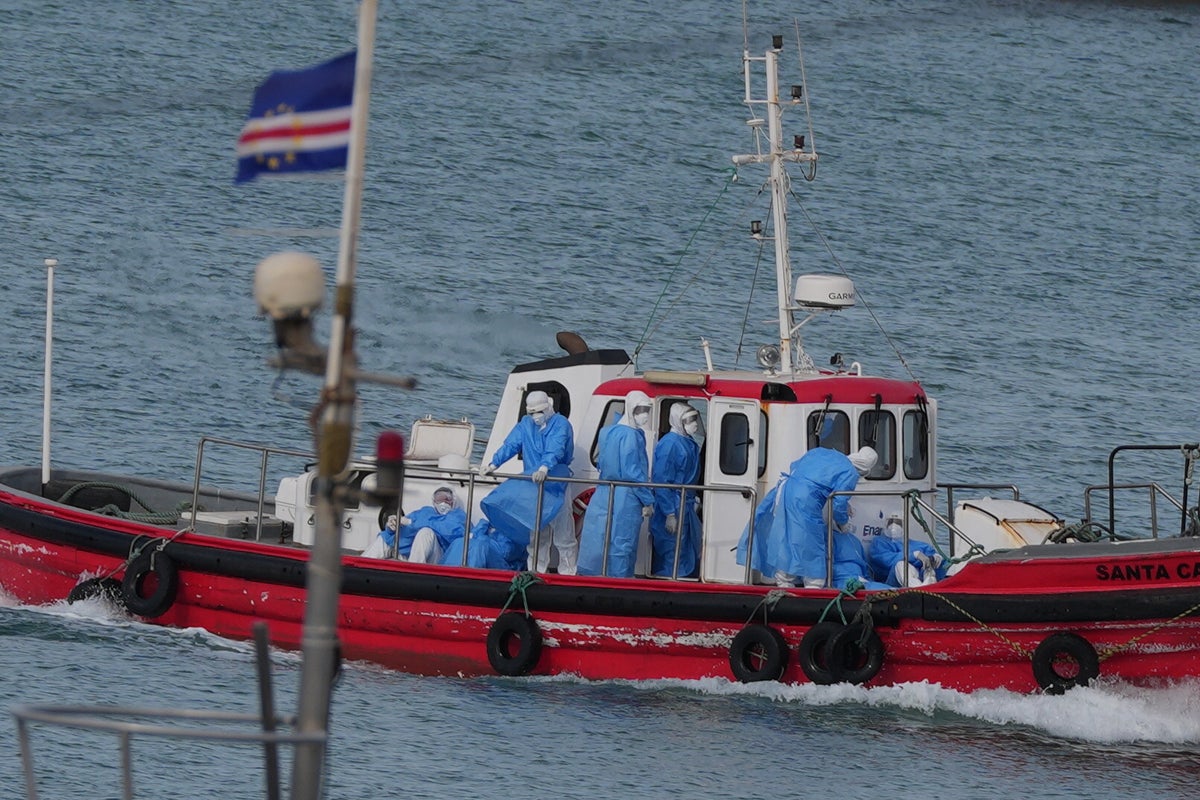
The intersection of high-density leisure environments and zoonotic viral transmission represents a critical vulnerability in the global maritime sector. While gastrointestinal outbreaks like Norovirus are statistically common in cruise operations, the emergence of Hantavirus—a pathogen primarily associated with rodent-borne transmission—signals a systemic failure in Integrated Pest Management (IPM) and environmental controls. The recent confirmation of two Indian nationals among the crew of a luxury vessel reporting a Hantavirus outbreak is not merely a localized medical incident; it is a breakdown of the biosafety barrier that separates the sterile "front-of-house" luxury experience from the "back-of-house" logistics and storage areas where rodents find sanctuary.
The Etiology of Hantavirus in Closed Environments
To understand the severity of this breach, one must distinguish Hantavirus from more common cruise-borne illnesses. Unlike many viruses that spread through person-to-person contact or contaminated water, Hantavirus Pulmonary Syndrome (HPS) is acquired through the inhalation of aerosolized droppings, urine, or saliva of infected rodents.
The presence of this virus on a luxury cruise ship indicates a specific chain of causality:
- Infiltration: Rodents entered the vessel, likely through cargo, gangways, or mooring lines during a port stay.
- Colonization: The internal architecture of a cruise ship—vast networks of ducting, false ceilings, and service corridors—provides an ideal "unseen" habitat.
- Aerosolization: Routine maintenance, such as cleaning or HVAC activity in restricted crew areas, disturbed dried excreta, allowing the virus to enter the respiratory tracts of the crew.
The risk profile for crew members, such as the Indian nationals identified, is disproportionately higher than for passengers. Crew quarters and utility zones are the primary interfaces for supply chain logistics, making them the front line for zoonotic exposure.
The Logistics of Contamination
A cruise ship functions as a closed-loop ecosystem. The "luxury" designation often masks the industrial complexity required to sustain thousands of people at sea. The cost function of maintaining this environment includes a constant struggle against biological ingress. When a Hantavirus outbreak occurs, it reveals a compromise in three specific operational pillars.
1. Supply Chain Integrity
Luxury vessels require frequent provisioning of high-quality produce and dry goods. Each pallet represents a potential vector. If a supplier's warehouse is compromised, the ship becomes an extension of that infestation. The failure here is a lack of rigorous "Point of Entry" inspections.
2. Vector Control Engineering
Ships are designed for human comfort, but their structural voids are optimized for rodent movement. Effective vector control relies on:
- Physical Exclusion: The use of rat guards on mooring lines and the sealing of cable penetrations.
- Environmental Suppression: Eliminating food sources in non-galley areas.
- Active Monitoring: Utilizing thermal sensors or motion-activated traps to detect ingress before a population establishes.
3. Atmospheric Isolation
The most alarming aspect of Hantavirus on a ship is the role of the HVAC system. If the air handling units for crew quarters are not properly filtered or partitioned from storage voids, a localized infestation becomes a ship-wide biohazard.
Quantifying the Impact on Human Capital
The involvement of Indian crew members highlights the labor dynamics of the maritime industry. A significant percentage of the global maritime workforce is sourced from South Asia, often occupying roles in technical maintenance, housekeeping, and food service. These roles place them in direct contact with the ship’s internal infrastructure.
Hantavirus has a high fatality rate—often cited near 38% for the HPS variant. The medical management of such an outbreak at sea is an exercise in crisis logistics. Standard shipboard infirmaries are equipped for trauma and common infections, but viral hemorrhagic fevers or acute respiratory distress syndromes require Level 3 biocontainment capabilities and advanced mechanical ventilation, which are rarely available in mid-ocean.
The two Indian nationals identified are indicators of a broader "at-risk" demographic within the ship's hierarchy. Their exposure suggests that the contamination was likely centered in crew-only zones, such as the mess, berthing, or engine rooms, rather than public-facing decks.
The Economic Fallout of Zoonotic Breaches
When a "luxury" brand is associated with Hantavirus, the damage exceeds simple medical costs. The economic impact follows a predictable trajectory of cascading losses:
- Operational Stasis: The vessel must be quarantined, and in extreme cases, undergo professional "deep cleaning" which involves chlorine-based disinfectants or hydrogen peroxide fogging to neutralize aerosolized particles.
- Reputational Devaluation: The luxury market thrives on the perception of hyper-cleanliness. A Hantavirus report shifts the narrative from "exclusivity" to "infestation."
- Legal Liability: Failure to provide a safe working environment for the crew can lead to massive litigation, particularly if it can be proven that pest sightings were ignored or that IPM protocols were outdated.
Comparative Risk: Hantavirus vs. Norovirus
| Variable | Norovirus | Hantavirus |
|---|---|---|
| Primary Vector | Human-to-Human / Water | Rodent-to-Human |
| Transmission Method | Fecal-Oral | Aerosolization of Waste |
| Incubation Period | 12-48 Hours | 1-8 Weeks |
| Severity | High Morbidity / Low Mortality | Low Morbidity / High Mortality |
| Prevention Focus | Hand Hygiene / Food Prep | Structural Integrity / Pest Control |
This comparison demonstrates why Hantavirus is a more significant threat to the operational viability of a vessel. While Norovirus is a "volume" problem, Hantavirus is a "lethality" problem.
Structural Recommendations for Maritime Biosafety
To mitigate the risk of future zoonotic outbreaks, the cruise industry must move beyond reactive cleaning and toward predictive environmental management.
Transition to Smart IPM
Traditional bait stations are insufficient for the complexity of a 100,000-ton vessel. The implementation of Internet of Things (IoT) pest monitoring allows for real-time data on rodent activity. Sensors placed in hard-to-reach cable runs can alert the environmental officer to an ingress the moment it occurs, rather than waiting for a crew member to report a sighting—or worse, a symptom.
Enhanced Crew Health Surveillance
Given the long incubation period of Hantavirus (up to eight weeks), a "symptom-only" approach to health screening is useless. Advanced protocols must include periodic serological testing for crew members working in high-risk zones and mandatory respiratory protection (N95 or higher) for any maintenance work involving the opening of ceiling panels or deep-cleaning of storage areas.
HVAC Partitioning
Future ship designs must prioritize the isolation of air cycles. If a rodent infestation occurs in a storage hold, the air from that space must not, under any circumstances, be recirculated into crew berthing or passenger cabins. High-Efficiency Particulate Air (HEPA) filtration must become the standard for all recirculated air on vessels operating in regions known for Hantavirus-carrying rodent species.
The Failure of Current Regulatory Frameworks
Current maritime health inspections, such as the Vessel Sanitation Program (VSP) conducted by the CDC, focus heavily on food safety and pool chemistry. These inspections are often scheduled or predictable. There is a glaring lack of focus on the structural "grey zones" of the ship where zoonotic threats originate. A shift in regulatory focus is required: inspectors must be empowered to audit the ship’s structural sealing and its supply chain's pest-free certifications.
The presence of the virus among the Indian crew members on this luxury vessel serves as a diagnostic marker for an industry that has prioritized aesthetic luxury over fundamental biological security. The path forward requires a rigorous re-engineering of the ship-as-a-system, treating the vessel not just as a floating hotel, but as a high-stakes biocontainment environment.
A singular focus on passenger-facing sanitization is a strategic error. The real threat lies in the service corridors, the cargo holds, and the air we cannot see. Until the industry addresses the structural integrity of its "back-of-house" operations, the luxury experience will remain vulnerable to the most primitive of biological threats.