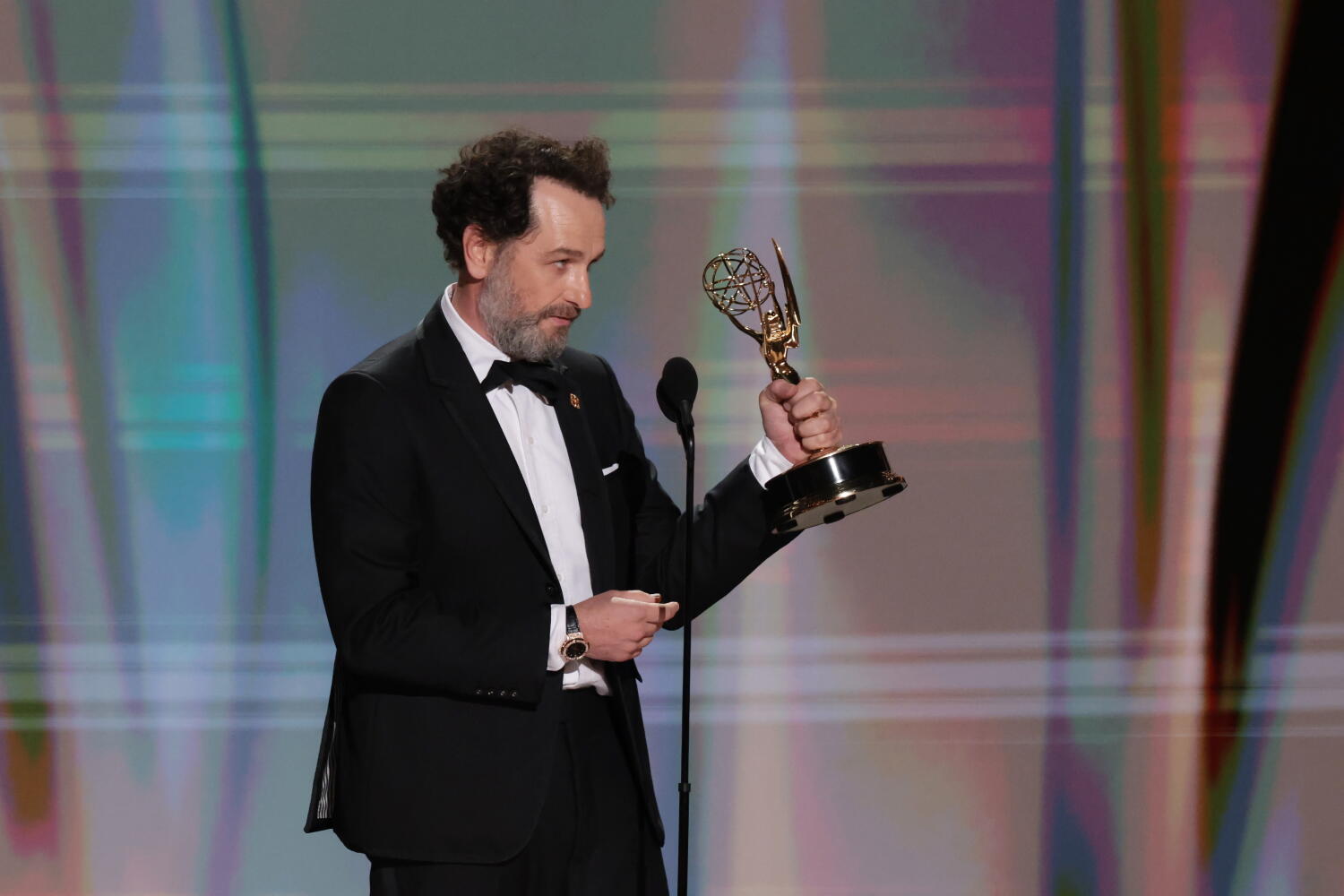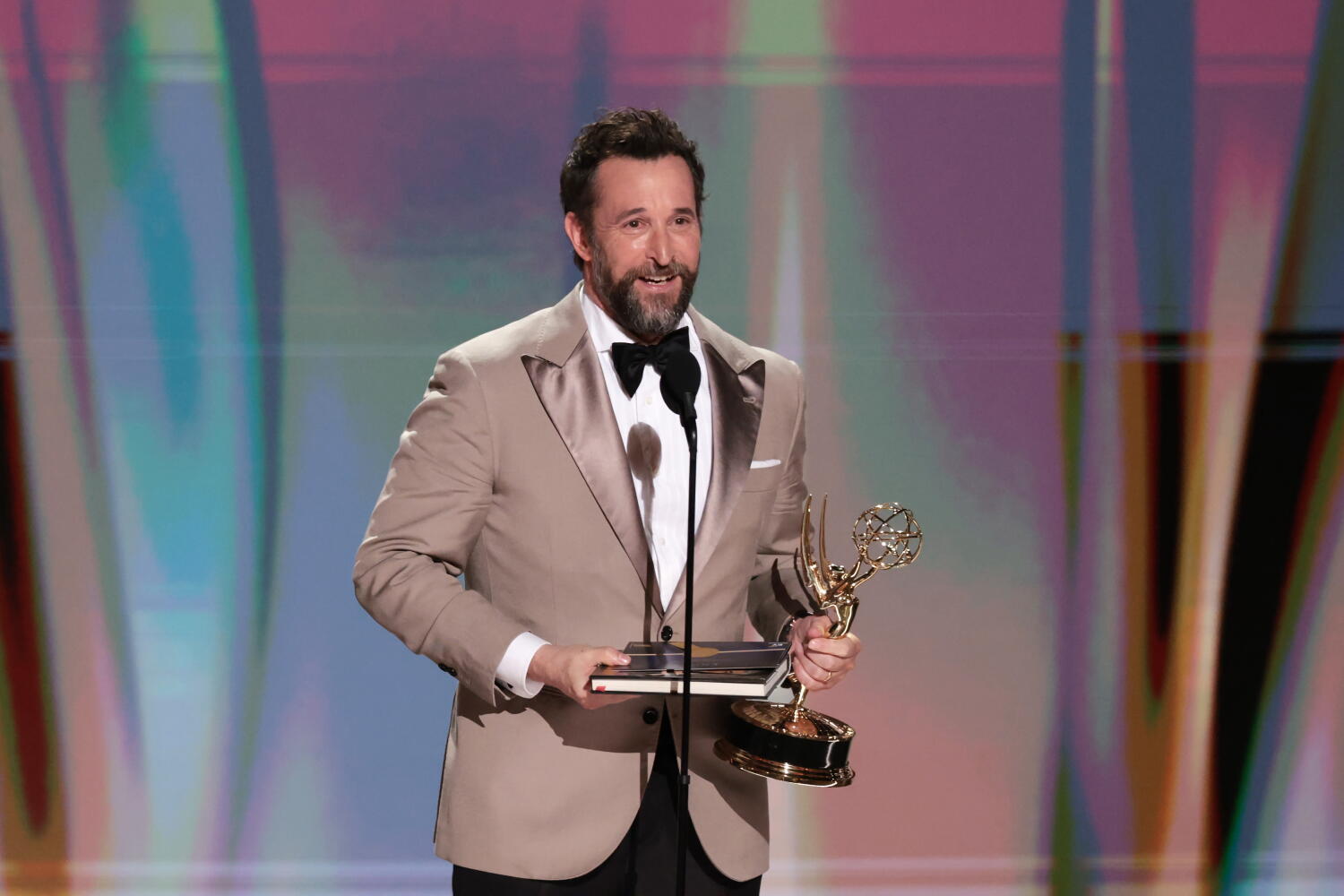
The distribution of institutional accolades during the 78th Primetime Emmy Awards revealed distinct shifts in prestige allocation and platform strategy. Rather than functioning as a random assortment of peer preferences, the 2026 outcomes demonstrate how specific production models, distribution networks, and genre configurations capture critical consensus. The dominant performances of The Pitt in the drama sector and Widow’s Bay across comedy metrics illustrate a structural bifurcation in contemporary television evaluation: the reward of high-fidelity institutional realism versus the systematic sweep of risk-oriented genre hybridisation.
The Architecture of Drama Wins
The retention of the Outstanding Drama Series category by The Pitt, alongside Noah Wyle securing Lead Actor, underscores the enduring viability of high-urgency procedural frameworks. Emergency room narratives operate on a built-in narrative velocity that minimizes exposition drag while maximizing performance visibility.
The underlying mechanics of this victory rely on three operational variables:
- High-Frequency Conflict Density: Medical procedurals generate continuous micro-crises, providing voters with immediate, unambiguous evidence of technical execution and actor responsiveness.
- Ensemble Labor Distribution: The heavy reliance on guest actors and sprawling supporting casts—evidenced by victories such as Ernest Harden Jr.’s guest performance—signals to voting blocks that the entire ecosystem of the production maintains technical equilibrium.
- Institutional Memory and Momentum: Having established a baseline of critical approval in previous cycles, the series benefited from entrenched voter familiarity, converting steady engagement into accumulated ballot preference.
Conversely, the performance of Rhea Seehorn winning Lead Actress in a Drama Series for Pluribus and Vince Gilligan taking writing honors for the same property highlights the counter-strategy: authorial branding. While The Pitt won through systemic scale, Pluribus capitalized on concentrated auteur value, proving that serialized intellectual property carrying a recognized creative pedigree can puncture institutional inertia in specific writing and lead performance categories.
Genre Hybridisation and the Comedy-Horror Yield
The historic performance of Widow’s Bay, securing fourteen total statuettes including Outstanding Comedy Series, represents a fundamental recalibration of how voters define the boundaries of comedic formatting. Set in a cursed New England town, the production successfully navigated a category traditionally dominated by workplace or domestic realism by introducing atmospheric dread paired with satirical pacing.
This sweep exposes a shift in the comedy voting block's valuation criteria:
- Aesthetic Differentiation: In a landscape saturated by single-camera workplace comedies, visual distinctiveness acts as a heuristic for quality. Direction by Hiro Murai provided an arthouse visual grammar that elevated standard comedic timing into cinematic territory.
- The Compression of Tone: Traditional comedy relies on structural setups and punchlines. Widow’s Bay utilized ambient tension, allowing comedic beats to emerge from situational absurdities within high-stakes supernatural framing. This expanded the emotional register available to performers like Matthew Rhys and Stephen Root, both of whom capitalized on the tonal flexibility to secure acting wins.
- Prestige Scalability: Streaming platforms leverage high-concept genre mashups to capture fragmented demographics. The sheer volume of wins indicates that voters are increasingly willing to reward hybrid formats that defy legacy genre constraints, provided the execution maintains formal discipline.
The Limited Series Corridor and Authorial Consolidation
The limited and anthology categories continue to function as a proving ground for cinematic talent operating within a bounded temporal framework. The performance of DTF St. Louis, alongside individual wins for actors such as Matthew Rhys (securing a dual-category presence across series types) and Sally Field, demonstrates that limited runs remain the primary vehicle for veteran validation.
The economic and creative calculus here is straightforward. Limited series minimize long-term audience fatigue while maximizing the concentration of marquee talent per episode. When voters evaluate these entries, they are assessing efficiency of character arc closure rather than sustained narrative maintenance. The structural success of Steven Conrad’s work on DTF St. Louis reinforces that single-creator visions retain a distinct advantage in limited categories, where committee-driven writers' rooms often dilute thematic sharpness.
Strategic Implications for Content Developers
The 2026 award distribution offers clear operational directives for studios navigating platform competition and shifting academy preferences:
- Invest in Formal Hybridisation: Pure genre execution faces diminishing returns against concepts that cross-pollinate tones—such as horror-comedy or procedural-thriller hybrids—which naturally generate the directorial standout moments required to capture technical and above-the-line ballots.
- Prioritize Authorial Control in Bounded Formats: For limited series and streaming platforms, consolidating writing and directing under a singular creative vision yields higher conversion rates in peer-voted ballots than decentralized, multi-showrunner models.
- Leverage Ensemble Depth as a Signaling Mechanism: Securing guest actor and supporting category wins requires designing secondary roles with discrete, high-impact narrative turning points that showcase performer range within short screen time allocations.