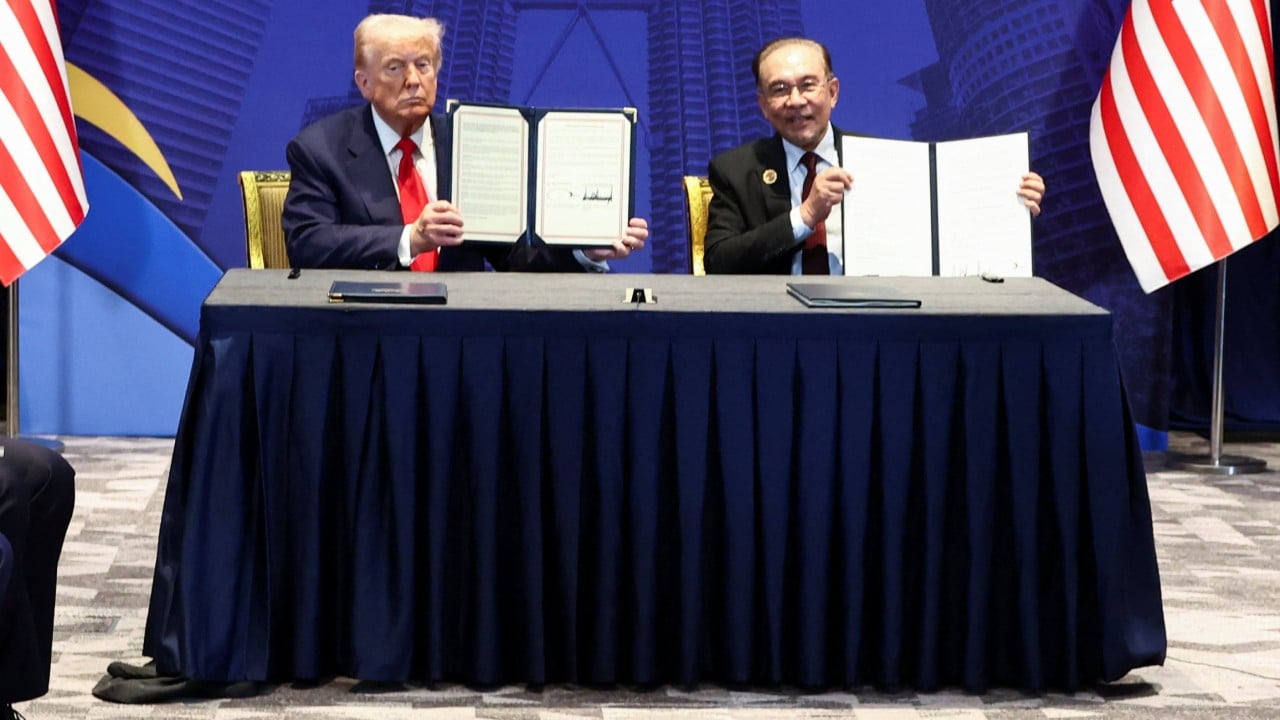
The United States trade policy architecture has shifted from multilateral dispute resolution toward targeted punitive instruments under Section 301 of the Trade Act of 1974. Recent trade determinations by the Office of the United States Trade Representative place Malaysia, alongside Cambodia and Indonesia, in a lower tariff tier of ten percent. Meanwhile, regional peers including Thailand, Vietnam, Singapore, and the Philippines face an elevated burden of twelve and a half percent. Market commentators frame this outcome as an outright victory for Malaysian export competitiveness. That interpretation misreads the mechanics of the policy framework. The United States did not grant Malaysia a preferential concession; rather, Washington recalibrated baseline levies upward for regional competitors based on regulatory compliance metrics regarding third-party supply chain sourcing and forced labor enforcement frameworks.
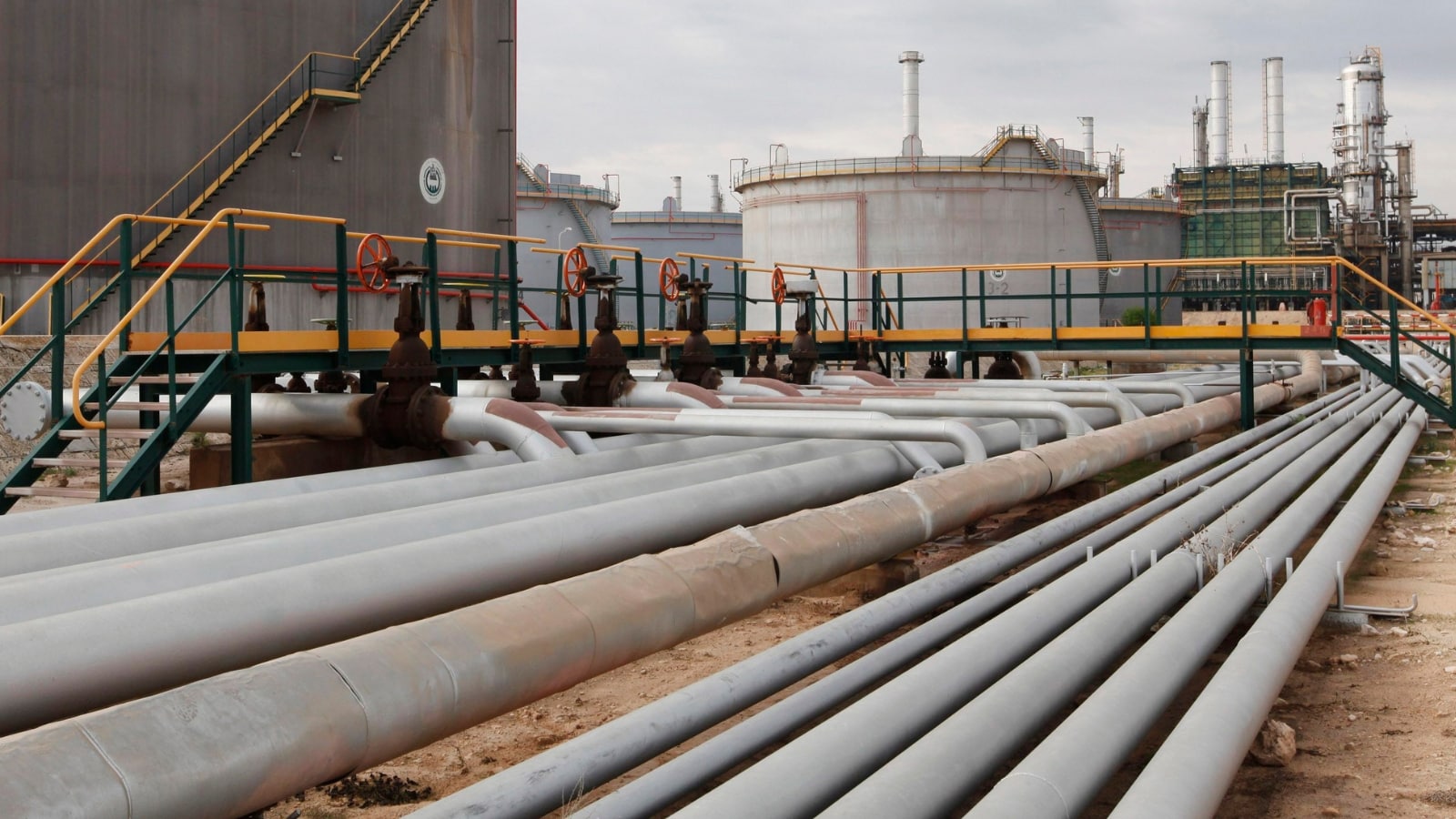
[Image of global supply chain logistics network]
Deconstructing this trade shift requires examining the structural variables governing manufacturing margins in Southeast Asia. The ten percent rate is not a permanent subsidy or a negotiated win. It is a temporary compliance corridor governed by administrative enforcement timelines.
The Cost Function of Regional Trade Divergence
To evaluate the operational impact of a two and a half percentage point differential between Malaysia and Vietnam or Thailand, analysts must look past headline rates and analyze supply chain cost functions. In high-volume, low-margin sectors such as electronics manufacturing services, electrical machinery, rubber products, and processed foods, margins frequently compress below single digits. In these operating environments, a small tariff differential alters sourcing economics.
The transmission mechanism operates through three distinct channels:
- Input Cost Inflation: Exporters sourcing sub-assemblies across ASEAN must calculate cumulative tariff burdens when finished goods clear United States customs.
- Margin Absorption Capacity: Multinational corporations operating in Penang or Johor absorb tariff costs temporarily through vendor price concessions before relocating final assembly nodes.
- Regulatory Friction: The ten percent classification is tied directly to Malaysia's administrative commitments under preceding bilateral frameworks, specifically regarding import prohibitions on goods linked to forced labor.
When the United States Trade Representative assigns a lower tier due to regulatory alignment rather than market access concessions, the advantage is structurally fragile. If domestic legislative enforcement lags behind Washington's statutory requirements, the regulatory grace period expires, invalidating the cost arbitrage.
The Regulatory Mechanics of Section 301 Determinations
The structural divergence between Malaysia and its neighbors stems from statutory definitions of enforcement capability rather than direct export subsidies. The United States administration evaluated trading partners based on whether domestic legal frameworks actively prohibit the importation of goods produced with forced labor in third-country jurisdictions.
Malaysia qualified for the lower ten percent tier because its administrative commitments acknowledged the requirement to institute and enforce such import bans within a defined implementation window. However, this compliance posture creates internal policy bottlenecks.
Export-oriented economies face a dual-constraint matrix:
- Compliance Velocity: The speed at which domestic customs and trade ministries can overhaul regulatory inspection protocols to satisfy foreign statutory tests.
- Sovereignty Friction: The resistance from domestic industries regarding intrusive supply chain tracing mandates and verification requirements imposed by external trade partners.
By focusing purely on the nominal cost advantage over regional competitors, market analysts miss the second-order risk. The United States trade apparatus maintains active investigations into excess industrial capacity across electronics, machinery, and basic metals. These parallel probes operate independently of Section 301 forced labor determinations. Consequently, an exporter enjoying a ten percent rate today faces prospective sector-specific duties tomorrow if industrial capacity metrics trigger countervailing action under separate statutory authorities.
Strategic Operational Playbook for Export-Driven Entities
Relying on a transient tariff delta is an incomplete corporate strategy. Multinational enterprises and local original equipment manufacturers must decouple their capital allocation models from short-term trade policy volatility.
- Implement Cryptographic Supply Chain Traceability: Transition from paper-based certificates of origin to ledger-backed verification systems. This satisfies aggressive foreign regulatory audits regarding third-party inputs before trade disputes escalate into border seizures.
- Diversify Final Assembly Footprints: Allocate production expansion capital across multiple jurisdictions inside and outside the preferential tariff tier to insulate against sudden re-determinations by trade authorities.
- Restructure Pricing Contracts with US Buyers: Incorporate dynamic tariff-sharing clauses into Master Service Agreements. Shifting the burden of regulatory variance to downstream buyers protects operating margins from unexpected administrative rate modifications.
The ten percent tariff tier provides a narrow window of relative cost advantage within Southeast Asia. That advantage will erode as regional competitors adjust their regulatory apparatus or as United States trade authorities pivot to industrial capacity enforcement. Long-term valuation in this corridor depends entirely on structural supply chain transparency and regulatory adaptability, not nominal tariff differentials.