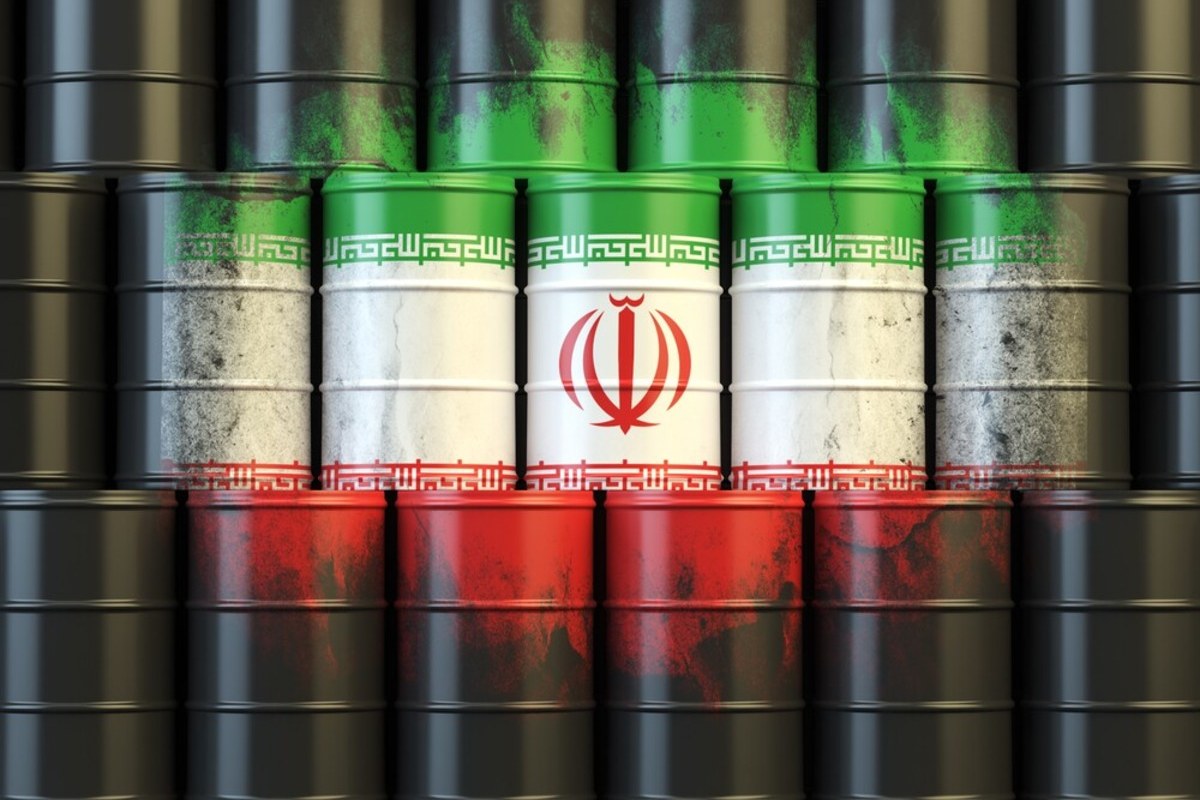
Geopolitical shocks do not merely disrupt commodity prices; they accelerate the depreciation of legacy asset classes while forcing structural reallocation. When military conflict in the Middle East restricts maritime oil and gas transit through critical chokepoints like the Strait of Hormuz, the transmission mechanism to major importing economies is immediate. For Beijing, the ongoing military friction involving Iran has transformed renewable energy financing from a long-term environmental objective into an immediate macroeconomic defense mechanism.
Data covering overseas infrastructure financing channels reveals a sharp inflection point. Financing for green energy projects through external development frameworks scaled to 20.1 billion dollars in the opening half of a single fiscal cycle, matching historical annual ceilings. This capital deployment is not driven by altruism or multilateral climate diplomacy. It represents a calculated hedge against crude import vulnerability, weaponized maritime logistics, and fossil fuel price volatility.
The Import Exposure Function
China operates under a structural vulnerability where over half of its crude oil and nearly one-third of its natural gas arrive via maritime routes susceptible to geopolitical interdiction. When conflict suppresses petroleum supply or inflates spot-market crude pricing, the domestic economic cost function deteriorates rapidly. Traditional energy security models dictate maintaining larger strategic petroleum reserves (SPR) and securing diversified pipeline routes. However, physical stockpiles act merely as a temporary buffer, absorbing shocks for months rather than neutralizing structural deficits.
The economic mechanics of this vulnerability rest on two distinct variables:
- Import dependency ratios for liquid fuels, hovering near baseline highs.
- The price elasticity of domestic industrial demand relative to imported hydrocarbons.
When external supply shocks spike input costs, export-oriented manufacturing margins compress. To decouple industrial output from the physical availability of Middle Eastern crude, Beijing has operationalized a substitution strategy that alters the velocity of domestic electrification.
The Fleet Electrification Vector
The domestic transition away from liquid petroleum is concentrated within the heavy transport and urban transit sectors. Nearly half of urban taxi fleets operate on battery-electric powertrains, while heavy commercial trucking targets aggressive electrification benchmarks over a five-year horizon. This is not a consumer-driven trend dictated by changing retail preferences; it is a state-engineered demand destruction campaign directed against petroleum.
Every commercial internal combustion engine replaced by a battery-electric alternative permanently alters the nation's liquid fuel import requirement. When combined with domestic refining buffers and strategic reserve management, aggressive fleet electrification allows the state to lower daily crude imports by millions of barrels without triggering domestic industrial slowdowns.
The transition creates an internal loop of energy resilience:
- Geopolitical shocks drive spot-market petroleum volatility.
- State-backed entities accelerate domestic fleet electrification and local renewable generation capacity.
- Structural oil demand compresses permanently, reducing long-term exposure to maritime trade choke points.
Capital Export and Industrial Absorption
Surplus manufacturing capacity within domestic photovoltaic, wind turbine, and battery supply chains faces severe margin compression at home due to intense localized competition. Deploying this excess industrial capacity via external green energy investments solves a dual mandate for Beijing. It absorbs domestic overproduction while locking developing economies into Chinese manufacturing ecosystems.
Recipient nations facing imported fossil fuel inflation find green energy infrastructure financing an attractive alternative. By routing capital into overseas renewable projects, Chinese industrial conglomerates secure long-term demand for their equipment exports while positioning themselves as structural providers of energy security to the Global South. This mechanism bypasses the dollar-denominated petroleum clearing system entirely, establishing alternative bilateral trade corridors anchored in hardware supply rather than commodity extraction.
Strategic Allocation of Reserves and Assets
External Shock (Hormuz Disruption)
       │
       ▼
Strategic Reserve Drawdown & Import Compression
       │
       ▼
Industrial Capital Reallocation to Overseas Green Infrastructure
       │
       ▼
Permanent Domestic Oil Demand Reduction via Electrification
The friction in the Middle East exposes the limits of traditional hydrocarbon dominance. While opposing powers secure physical reserves to control global pricing mechanisms, that strategy remains vulnerable to the physical disruption of shipping lanes. Renewable generation assets, once installed, rely on localized meteorological inputs rather than continuous maritime logistics.
Deploy capital into domestic grid-flexibility enhancements and storage-capacity buildouts to absorb intermittent renewable generation. Concurrently, scale overseas green project financing to convert industrial overcapacity into geopolitical leverage before legacy energy markets stabilize.