When the pumps run dry and the asphalt fills with demonstrators, the immediate trigger is always arithmetic. A government adjusts a tariff, global crude climbs another ten dollars a barrel, and the purchasing power of an entire populace evaporates overnight. Yet the Pakistan fuel price protests shaking major urban centers are rarely just about the cost of refined petroleum. They are the visible tremor of a fiscal fault line decades in the making, where international lender mandates collide with state capture, inefficient resource allocation, and a shrinking tax net.
Decades of reporting on emerging market debt crises reveal a familiar choreography. A sovereign nation borrows to bridge structural deficits. The foreign exchange reserves dwindle to a precarious safety margin. International creditors step in with emergency liquidity facilities, but the conditions attached invariably demand the immediate withdrawal of subsidies on basic commodities. When those subsidies vanish on products like high-speed diesel and motor gasoline, the shock transmits instantly down the supply chain. Food prices spike, transport costs double, and the daily wage earner finds survival mathematically impossible. For another view, consider: this related article.
Understanding the mechanics of this crisis requires looking past the burning tires in Karachi and Lahore. The underlying pathology involves a state trapped in a perpetual cycle of deficit financing, where non-development expenditures dwarf revenues and the burden of adjustment falls squarely on wage-earning consumers rather than protected elites.
The Sovereign Debt Trap and the Subsidy Dilemma
Every modern state must balance social stability against fiscal solvency. In developing economies with weak institutional safety nets, cheap energy acts as an artificial sedative. It keeps inflation suppressed, placates urban working classes, and subsidizes agricultural production. However, maintaining that sedative requires massive capital outflows from the national treasury. Similar coverage on the subject has been provided by Al Jazeera.
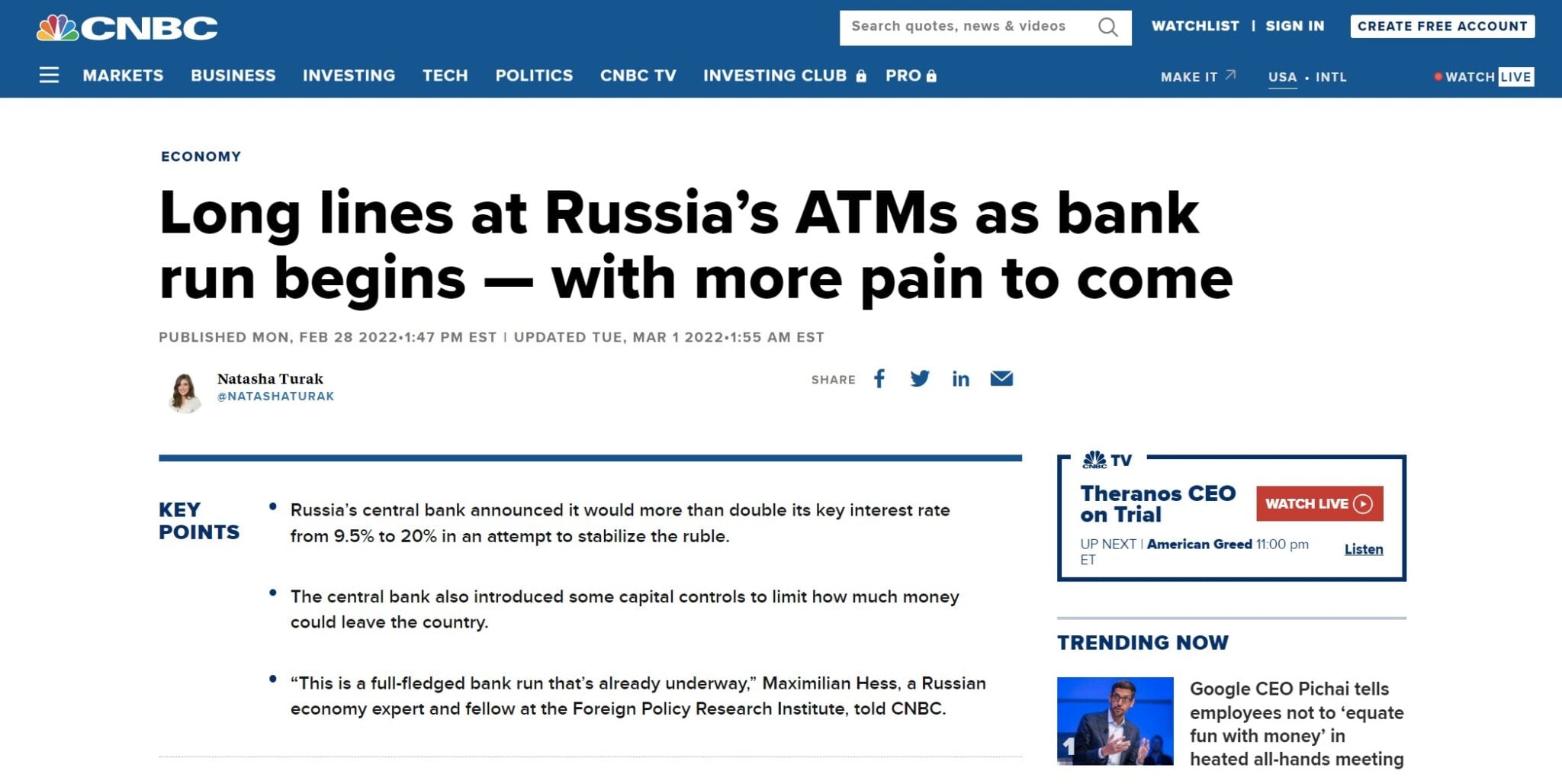
When global crude markets experience severe volatility, maintaining fixed domestic prices becomes mathematically unsustainable. The national treasury ends up borrowing commercial debt simply to pay for daily imports of crude oil. This creates a circular debt crisis that paralyzes state-owned enterprises. Refineries and oil marketing companies operate on razor-thin margins or face severe liquidity crunches because the government delays reimbursement for price differentials.
International lending institutions view these untargeted subsidies as fiscal suicide. Their structural adjustment programs demand immediate pricing parity with international markets. When a government implements these hikes to unlock the next funding tranche, the retail price of fuel surges by twenty to thirty percent in a single billing cycle.
The immediate economic impact is immediate and violent. Transport operators cannot absorb the higher overhead without raising fares. Small businesses running diesel generators to cope with chronic grid instability see their operational costs double. The consumer price index climbs, eroding real wages across the board.
Structural Imbalances in State Revenue Collection
A primary driver of these recurring crises is a narrow and inequitable tax architecture. A functioning government collects revenue from diverse streams, ensuring that wealth accumulation is taxed proportionally and consumption taxes remain balanced. In contrast, revenue collection structures heavily dependent on indirect levies place an outsized burden on the poorest citizens.
When petroleum levies and sales taxes form the easiest and most reliable portion of national revenue collection, the government develops an addiction to high fuel prices. Every liter of gasoline sold at the pump carries a heavy stack of petroleum development levies, custom duties, sales taxes, and regulatory fees. When global prices drop, governments frequently fail to pass the savings to consumers, choosing instead to widen the levy to plug broader fiscal holes in the federal budget.
This dynamic breeds profound public cynicism. Citizens watch luxury vehicle imports continue alongside massive tax exemptions for agricultural and real estate elites, while ordinary motorists bear the brunt of austerity measures mandated by foreign creditors. The protests are therefore fueled as much by a sense of systemic injustice as by the raw monetary cost of a full tank.
The Energy Supply Chain Breakdown
Beneath the retail price turmoil lies a fragile domestic supply chain. Pakistan imports the vast majority of its petroleum requirements, exposing the domestic economy to foreign exchange fluctuations and international shipping costs. When the central bank lacks sufficient liquid reserves to open letters of credit for oil cargo vessels, importers cannot secure shipments.
This creates artificial shortages alongside price hikes. Motorists queue for hours at filling stations across major urban centers, disrupting commerce and public transit. The logistics sector, which relies almost entirely on diesel-powered trucks to move goods from ports to inland markets, grinds to a slow crawl. Food spoilage rates climb as refrigerated transport costs soar.
The economic drag of these logistics failures compounds the initial shock. Industrial output drops because factories cannot guarantee fuel supplies for captive power plants or delivery schedules for finished goods. Employment in the informal transport sector collapses as daily wage drivers find that their fuel costs exceed their daily earnings.
Breaking the Cycle of Fiscal Volatility
Resolving structural volatility requires moving away from emergency firefighting and toward fundamental economic restructuring. Temporary cash transfers or targeted subsidies for public transport can cushion the blow for vulnerable segments without distorting macroeconomic pricing signals. Yet such measures demand administrative capacity and digital identification systems that developing bureaucracies often struggle to deploy efficiently.
Long-term stability depends on expanding the tax base to encompass currently shielded sectors, reducing the bloated operational footprint of the civil service, and reforming state-owned enterprises that drain billions in annual bailouts. Until those difficult structural reforms move forward, every spike in global energy markets will continue to threaten domestic stability.
The smoke rising from urban intersections will not dissipate permanently through police crackdowns or temporary price freezes. The underlying structural pressure remains intact, waiting for the next global supply shock to force the issue back onto the streets.