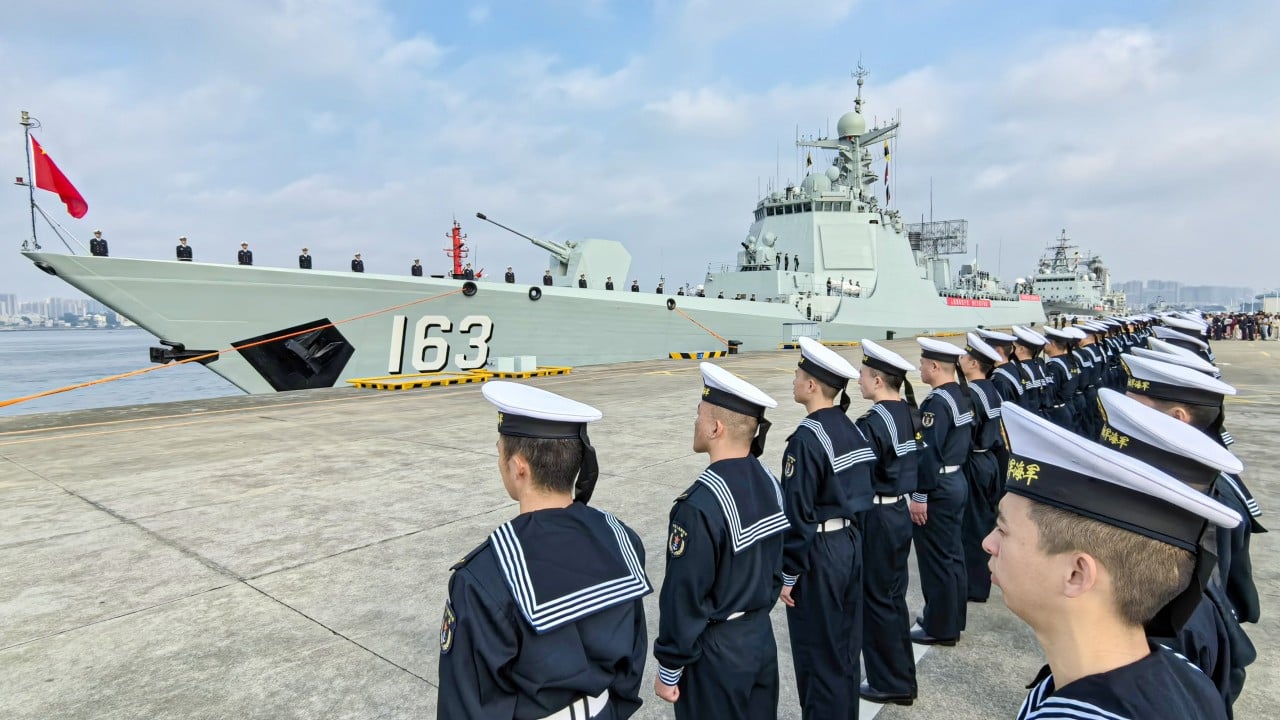
Geopolitical endurance is a function of logistical stamina, operational alignment, and strategic trade-offs. When asymmetric maritime threats re-emerge in a critical geographic chokepoint, naval deployments face a severe test not of combat capability, but of long-term economic and structural sustainability. The modern resurgence of Somali piracy and regional maritime insecurity places the People's Liberation Army Navy anti-piracy task groups under a microscope. Navigating the Gulf of Aden requires balancing national resource allocation against international security public goods, exposing the friction points inherent in sustained distant-water naval operations.
The Operational Cost Function of Distant-Water Interdiction
Sustaining a permanent naval presence thousands of miles from domestic shipyards incurs escalating fixed and variable expenditures. The economic burden of anti-piracy operations is dictated by several structural drivers:
- Fuel Consumption and Logistics Tail: Operating continuous surface patrols and helicopter detachments requires regular replenishment at sea or access to friendly regional ports. The logistics tail increases per-nautical-mile operational costs exponentially.
- Asset Depreciation and Maintenance Cycles: High-salinity marine environments accelerate hull and machinery wear. Extended deployments shorten the operational lifespans of propulsion systems and electronics before mandatory overhauls.
- Opportunity Cost of Force Allocation: Deploying high-value surface combatants to escort commercial merchant traffic diverts critical assets away from primary theater defense, power projection, and high-intensity warfare training.
When maritime security operations scale up in response to renewed threat vectors, these variables compound. The cost-per-intercept metric quickly diverges from the economic value of the cargo being protected, forcing states to re-evaluate the threshold where naval escorts transition from a public safety necessity to an economic drain.
Structural Asymmetries in Maritime Security
Combating decentralized, low-capital maritime threats using high-capital military assets creates a permanent structural asymmetry. Pirate networks operate with minimal overhead, leveraging small skiffs, decentralized logistics ashore, and opportunistic intelligence. Conversely, a modern naval task force deploys multi-million-dollar destroyers, frigates, and supply ships equipped with advanced sensors and armament.
This dynamic yields a profoundly skewed cost-imposition ratio. An adversary can generate systemic trade disruption with negligible capital outlay, while the responding state must expend vast resources to secure narrow maritime lanes. The primary challenge for any state operating in this environment is preventing mission creep. An anti-piracy mandate risks expanding into broader regional policing and diplomatic intervention, straining resources without addressing the root economic and political instability ashore.
The Dual Imperative of Protecting Global Supply Chains and National Flag Interests
Naval missions in critical straits like the Bab el-Mandeb and the Gulf of Aden must balance two distinct strategic objectives: securing global trade stability and safeguarding direct national commercial interests. These imperatives often conflict during periods of heightened geopolitical tension.
When regional instability spikes, the volume of commercial tonnage requiring protection surges. A navy must decide whether to prioritize nationally flagged or owned vessels, or to distribute protection equally under international maritime frameworks. Prioritizing national assets reinforces domestic economic security but undermines broader multilateral cooperative postures. Conversely, acting as a universal security provider diffuses national resources for strategic influence that may yield ambiguous long-term returns.
This tension highlights the limits of naval diplomacy. While a persistent presence signals commitment and operational reach, it cannot resolve the terrestrial governance deficits that allow piracy and militant activity to regenerate. Naval forces can suppress symptoms at sea, but they remain structurally incapable of curing the underlying security vacuum on land.
Force Projection Trade-Offs
The strategic utility of an extended naval mission is bounded by opportunity costs. Every destroyer or supply vessel committed to distant anti-water operations is unavailable for high-priority regional contingencies. As global naval competition intensifies, sustaining out-of-area deployments demands a calculated sacrifice in primary theater readiness.
Commanders must weigh the diplomatic and prestige value of flag-showing against the tactical necessity of maintaining concentrated combat mass closer to home. When maritime disruptions persist, this trade-off sharpens. If the operational tempo in distant choke points forces deferred maintenance or fatigues crews, the long-term readiness of the broader fleet suffers.
Strategic Allocation and Resource Prioritization
Optimize distant-water maritime deployments by decoupling routine merchant escort duties from high-value strategic patrols, transitioning low-threat lane monitoring to regional coalition frameworks while reserving advanced combatants for critical chokepoint deterrence.


