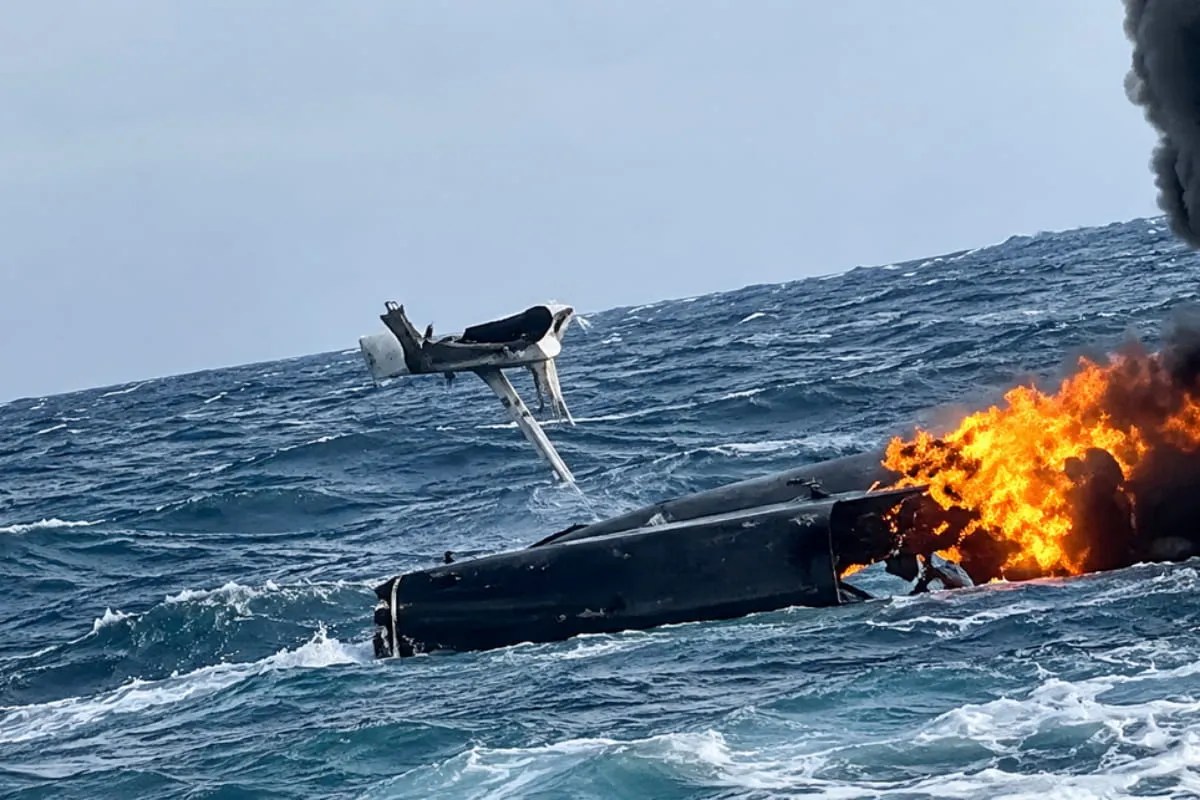
The narrow waters connecting the Persian Gulf to the Gulf of Oman remain one of the most volatile geopolitical bottlenecks on earth. Roughly a fifth of global petroleum passes through these shipping lanes every single day. When military forces clash in this maritime corridor, the shockwaves hit global energy markets within minutes. Recent reports highlight a growing trend in naval confrontations involving unmanned surface vessels and advanced defense countermeasures.
Naval analysts spent years tracking the proliferation of cheap, explosive-laden remote-controlled watercraft. These platforms bypass traditional radar profiles through low-slung hulls and minimal thermal signatures. Military organizations across the Middle East now integrate autonomous systems into their coastal defense strategies at an unprecedented pace. The destruction of an unmanned surface vehicle by Iranian naval assets in the Strait of Hormuz illustrates a fundamental shift in modern asymmetric warfare.
Surface drone technology democratizes naval power. A nation or non-state actor can construct an effective sea-denial asset for a fraction of the cost required to build a traditional corvette or frigate.
The Economics of Asymmetric Sea Denial
Building a multi-million-dollar warship takes years of specialized labor, dockyard capacity, and capital investment. Conversely, converting a commercial speedboat into a guided or remote-controlled explosive platform requires standard workshop tools and off-the-shelf electronics. This economic disparity defines contemporary defense strategy.
When a defense force deploys an expensive interceptor missile or heavy deck gun to neutralize a low-cost drone, the financial attrition heavily favors the attacker. Navies operating in restricted chokepoints must adapt their tactical doctrines to prevent this imbalance from draining their resources.
- Low-Cost Production: Commercial hulls modified with simple guidance modules.
- Decentralized Launch: Operating from unmarked coastal spots rather than heavy naval bases.
- Saturated Attacks: Deploying multiple units simultaneously to overwhelm target acquisition systems.
Defending against these threats demands a complete overhaul of standard engagement protocols. Traditional targeting computers were built to track fast jets and large surface combatants. Small, fiberglass or aluminum hulls skimming across choppy waves present a vastly different tracking challenge.
Sensor Integration and the Chokepoint Dilemma
Detecting a low-profile surface drone requires overlapping radar, infrared, and optical sensor feeds. The Strait of Hormuz is notoriously crowded with commercial tankers, fishing boats, and container ships. Distinguishing a hostile remote-controlled craft from civilian maritime traffic creates an operational nightmare for commanders on duty.
Rules of engagement must balance the need for self-defense with the risk of sparking an international incident through mistaken identity. A split-second decision can mean the difference between neutralizing a genuine threat and destroying a harmless fishing vessel.
Advanced military forces deploy electro-optical directors coupled with artificial intelligence algorithms to classify targets automatically. These systems analyze wake patterns, speed vectors, and silhouette anomalies to flag suspicious vessels before they enter a critical defense perimeter.
The primary danger in narrow maritime corridors is not just the destructive power of a single weapon, but the cumulative effect of constant friction and miscalculation.
Electronic Warfare and Remote Control Vulnerabilities
Controlling a vessel from a distance requires a reliable communications link. Radio frequency signals, satellite relays, and cellular networks form the invisible tether connecting an operator to an unmanned craft. This reliance introduces a critical vulnerability.
Electronic countermeasures can jam, spoof, or hijack these control signals. If a defense force successfully breaks the data link between the operator and the drone, the machine typically enters a fail-safe mode. Some units drift aimlessly, while others attempt a pre-programmed return or detonate based on internal timers.
The integration of autonomous navigation systems reduces this dependency. Modern engineering allows drones to traverse pre-set GPS waypoints without continuous human input, rendering basic signal jamming far less effective. Navies must therefore rely on hard-kill options—such as rapid-fire cannons, heavy machine guns, and targeted explosive ordinance—when electronic disruption fails.
The Broader Geopolitical Ripple Effect
Every engagement in these waters carries immediate economic consequences. Insurance premiums for oil tankers traversing the region fluctuate wildly based on reported skirmishes. Shipping companies constantly re-evaluate risk matrices, occasionally opting for longer routes around the Cape of Good Hope when threat levels peak.
Regional navies understand that controlling the narrative surrounding these incidents is just as important as tactical execution. Official state media often highlights successful defense operations to project strength and deterrence to rival powers. International observers parse these announcements for clues regarding the operational readiness and technological sophistication of the forces involved.
The ongoing evolution of remote-controlled maritime warfare guarantees that the Strait of Hormuz will remain a testing ground for next-generation defense systems. As autonomous capabilities improve and production costs drop, the margin for error in these contested waters shrinks further, keeping military planners on edge across the globe.


