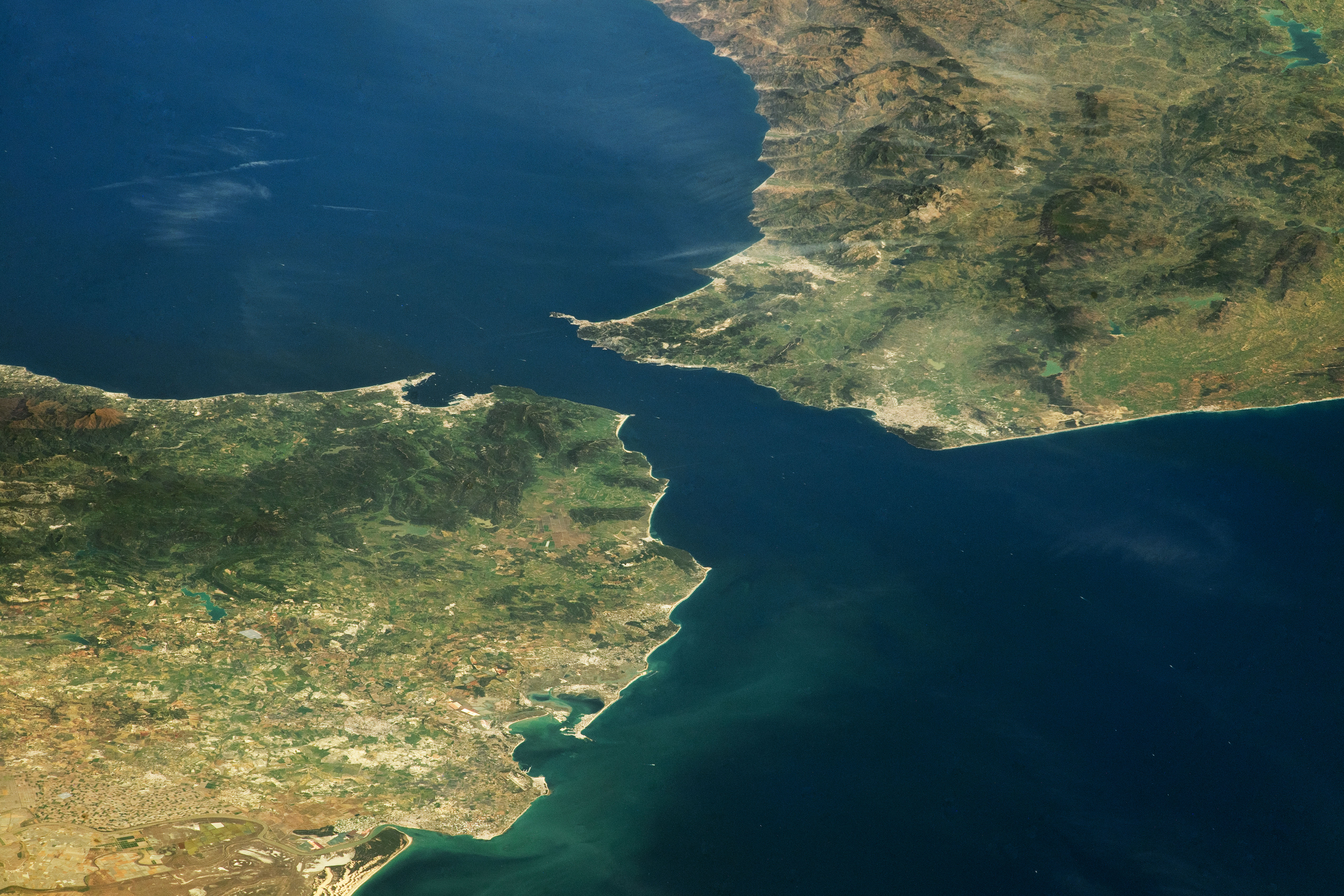
When the White House casually dismissed Tehran's proposed seven-day roadmap to reopen the Strait of Hormuz, the response was framed in the language of total victory. Washington insisted that Iran was simply hurting too badly from economic isolation to dictate terms. Yet beneath the public posturing lies a far more precarious maritime reality. The world's most critical energy chokepoint remains a militarized hazard zone where commercial shipping survives only under armed naval escort.
For months, the vital maritime corridor connecting the Persian Gulf to global oil markets has functioned as an active theater of attrition. While major kinetic military engagements tapered off, Tehran's asymmetric strategy persisted. Commercial oil tankers continue to report mysterious strikes, mine encounters, and projectile attacks near the strait. Insurance premiums for vessels traversing the waterway have spiked into astronomical figures, transforming ordinary cargo transit into a high-stakes gamble.
The rejected Iranian roadmap, passed quietly through Qatari intermediaries at the United Nations General Assembly, offered a straightforward bargain: Tehran would lift its restrictions on the strait, halt targeting maneuvers, and return to nuclear compliance in exchange for the immediate lifting of the U.S. naval blockade, unfreezing of assets, and broader sanctions relief. To any traditional diplomat, it was an opening bid. To the Trump administration, it was treated as a sign of surrender to be ignored.
Stubborn geopolitical calculation drives this rejection. The American security apparatus operates under the assumption that maintaining the naval blockade starves Iran's state budget permanently, eventually forcing an unconditional capitulation. Officials argue that accepting a negotiated timetable negotiated by Tehran would hand the regime a diplomatic victory and validate its harassment campaign in the Gulf.
However, this strategy carries severe hidden costs for regional stability. America's Gulf partners are bearing the brunt of the trade disruption and persistent airspace tensions. While crude exports have trickled back up thanks to persistent U.S. Navy escorts, shipping executives know that military resources are finite. Escorting every single supertanker through a narrow, hostile strait is an unsustainable long-term logistical burden.
Tehran understands this math perfectly. By keeping the threat level high without triggering an all-out military response, Iran ensures that the economic pain is shared globally. Energy markets remain hypersensitive to any escalation, pricing in a permanent risk premium that affects consumers worldwide. The refusal to compromise leaves both sides locked in a zero-sum contest of endurance.
History shows that naval blockades either end in negotiated settlements or slowly bleed into wider conflicts. By slamming the door on intermediate diplomatic off-ramps, Washington has staked its credibility on total economic exhaustion. If that gamble fails, the cost of reopening the waterway permanently will be measured in something far heavier than blocked oil revenue.