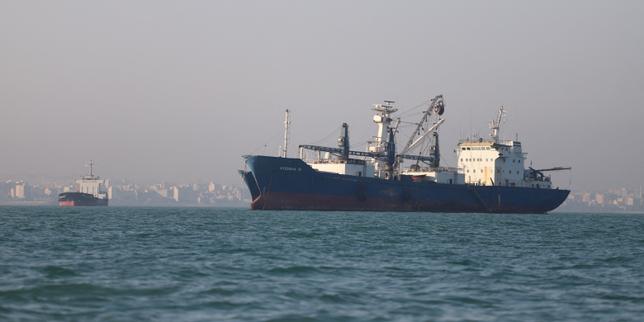
The mainstream media is treating the latest Pakistani-brokered memorandum of understanding like the second coming of Bretton Woods. Headlines scream that the Strait of Hormuz is "instantaneously" reopened and the American blockade is lifted "immediately." It sounds like a masterclass in swift diplomacy.
It is actually a masterclass in theatrical delusion.
Global energy markets are breathing a sigh of relief, but they are celebrating a paper tiger. Anyone who has spent a week analyzing maritime logistics or naval choke points knows that you cannot flip a switch to reset global trade. Wars do not end because a pen hit paper in Islamabad, and blockades do not vanish because a press release used the word "immediately."
The consensus view is dangerously naive. It assumes that geopolitics operates like a digital circuit breaker—on or off. The reality is messy, sticky, and deeply uncooperative.
The Myth of the Instant Ocean
Let's dismantle the mechanics of a naval blockade. The media talks about a blockade as if it is a physical wall that the US Navy can just slide open.
A blockade is an active, aggressive posture of risk management. It involves hundreds of vessels, overlapping radar grids, strict rules of engagement, and layers of maritime interdiction. When a diplomatic accord says a blockade is lifted "immediately," the bureaucracy of a superpower navy does not instantly evaporate.
Commanders on the ground require verified operational orders. They need to reposition multi-billion-dollar carrier strike groups safely. They must transition from a high-alert combat footing to routine patrolling. This process takes days, sometimes weeks. To suggest it happens "instantaneously" ignores the basic physics of naval deployment.
Furthermore, the physical opening of a shipping lane does not mean a single commercial vessel will choose to sail through it.
The Insurance Reality Check
Here is the variable the talking heads always ignore: maritime insurance syndicates.
Lloyd's of London and the Joint War Committee do not read diplomatic communiqués and immediately slash their premiums. The Strait of Hormuz is the ultimate maritime choke point, responsible for the transit of roughly 20% of the world's petroleum. When a conflict escalates to a blockade, the entire region is designated a listed area for war, strikes, terrorism, and related perils.
[Conflict/Blockade declared]
       │
       ▼
[Joint War Committee lists area]
       │
       ▼
[War Risk Premiums skyrocket (Up to 5-10% of hull value)]
       │
       ▼
[Diplomatic Accord Signed] ───► (Mainstream media celebrates here)
       │
       ▼
[Underwriters demand verifiable stability (Weeks of observation)]
       │
       ▼
[Gradual reduction of premiums]
Imagine you are a commercial shipowner. A piece of paper says the strait is safe. But if an underwriter demands a war risk premium that costs hundreds of thousands of dollars per transit, your ship stays anchored in the Gulf of Oman. Underwriters do not operate on hope; they operate on historical data and verified stability. They will wait to see if the peace holds before they lower the cost of entry. Until those premiums drop, the strait remains effectively closed to the global economy.
The Flawed Premise of Pakistani Arbitration
The current narrative positions Pakistan as the ultimate neutral arbiter capable of bridging the gap between Western hegemony and Middle Eastern defiance. This ignores the structural fragility of Pakistan’s own economic and political leverage.
I have watched international consortiums bet the house on regional peace treaties, only to watch them disintegrate within ninety days because the mediator lacked enforcement mechanisms. Pakistan can facilitate a dialogue, but it cannot guarantee compliance. It cannot police the IRGC Navy fast-attacks, nor can it dictate the strategic calculations of the US Fifth Fleet.
When you look at the "People Also Ask" metrics on search engines, everyone is asking: Will oil prices drop tomorrow because of the Hormuz agreement?
This is entirely the wrong question. The question you should be asking is: How much shadow inventory has been priced into the market during the blockade, and who profits from keeping the supply chain constrained?
The truth is, major energy traders and state-backed producers have already adjusted to the friction. Volatility is profitable. A sudden, frictionless return to normal trade actually threatens the margins of companies that capitalized on the chaos. The incentive to quietly sabotage or delay the full implementation of this accord is massive.
The Ghost in the Channel: Underwater Ordnance and Mine Warfare
Let’s talk about a brutal tactical reality that no politician wants to mention on camera: naval mines.
During any prolonged standoff in the Persian Gulf, defensive and offensive mining is a standard, deniable tool of asymmetric warfare. The mere suspicion of a single unanchored sea mine in the shipping lanes is enough to paralyze commercial traffic.
A treaty does not magically sweep the seabed. Mine countermeasures (MCM) operations are slow, tedious, and highly technical. If a state actor deployed even a handful of sophisticated bottom-mines during the height of the tension, commercial transit is a game of Russian roulette. No captain will risk a 300,000-ton Very Large Crude Carrier (VLCC) until mine-clearing vessels have swept the traffic separation schemes. That takes time. "Instantaneous" is a lie designed to soothe the stock markets.
The Strategic Pivot: Friction is the New Normal
If you are a corporate strategist or a supply chain executive relying on this accord to fix your Q3 margins, you are setting yourself up for failure. Stop assuming the pre-crisis status quo is coming back.
The Western reliance on choke points like Hormuz, Malacca, and Bab-el-Mandeb has exposed a structural vulnerability that cannot be patched by a diplomatic band-aid. The smart money is not waiting for the US Navy to clear the path. They are investing heavily in land-based pipelines, localized storage, and alternative supply corridors that bypass volatile waterways entirely.
This accord is not a resolution; it is a tactical pause.
The underlying geopolitical friction between Washington and regional powers remains completely unresolved. The fundamental disagreements over nuclear proliferation, regional proxies, and economic sanctions are exactly where they were before the blockade started. A signed piece of paper does not erase years of deeply entrenched animosity.
Treat this announcement for what it is: a political victory lap, not a logistical reality. The ships will wait. The insurers will watch. The friction will remain. Anyone telling you otherwise is selling something.


