The Strait of Hormuz remains the single most critical maritime chokepoint on the planet, carrying roughly a fifth of the world's petroleum consumption through a narrow eighteen-mile shipping channel bordered by Oman and Iran. When Tehran announces that the ultimate choice regarding the reopening or securing of this vital waterway rests squarely with Washington following a supposed diplomatic or transactional deal offer, it is not merely issuing a routine diplomatic communiqué. It is deploying a classic statecraft maneuver that weaponizes global economic vulnerability.
Understanding this standoff requires looking past the surface theater of public ultimatums. For decades, the Islamic Republic has recognized that its strongest asymmetric deterrent against Western economic sanctions and military pressure is its physical proximity to the Persian Gulf export lanes. By tying the security of commercial tanker traffic directly to the removal of sanctions or financial concessions from the United States, Tehran shifts the burden of escalation onto Washington and its allies.
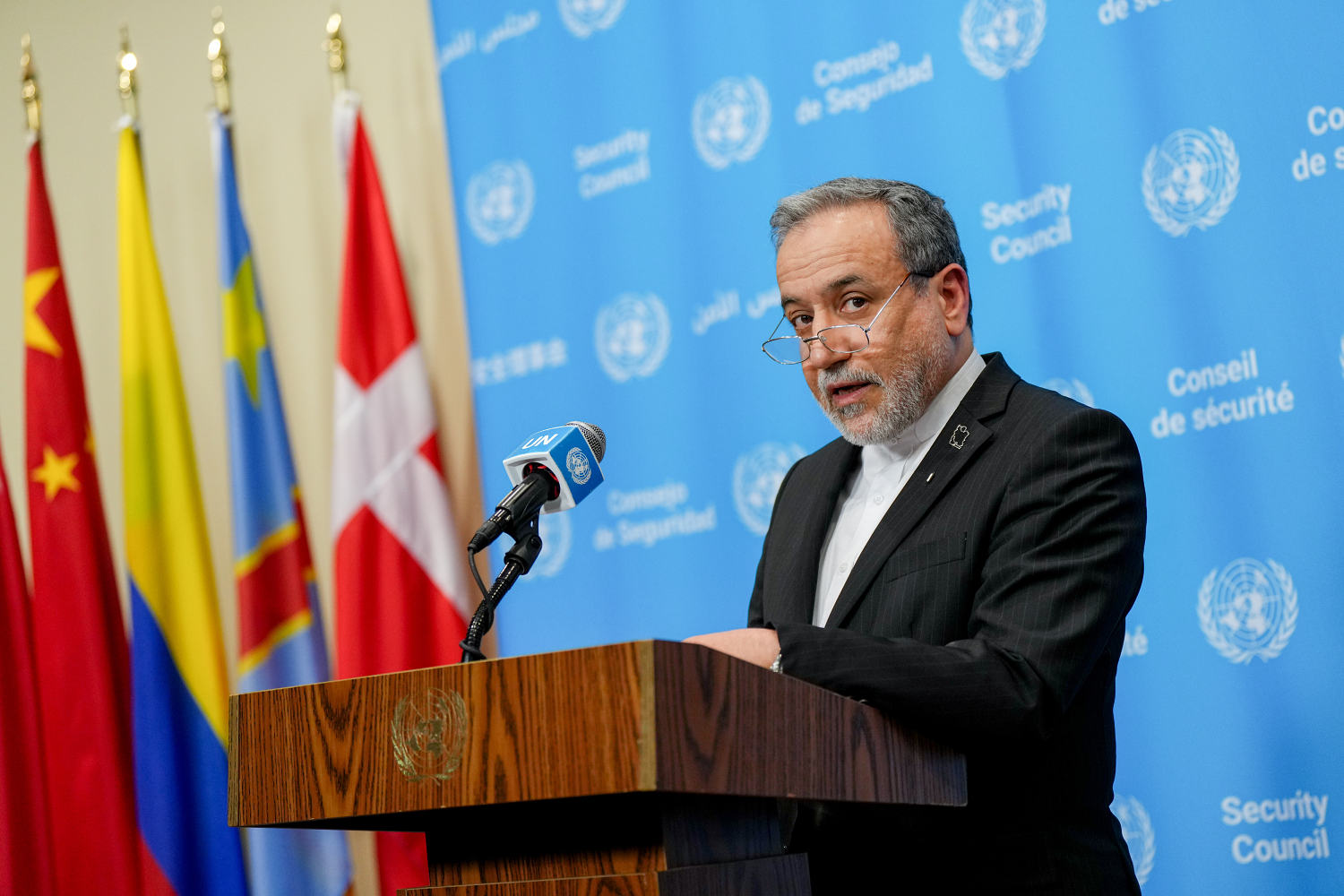
The economic mechanics of this chokepoint dictate global energy prices within minutes of any disruption. Insurance premiums for supertankers spike immediately whenever rhetoric hardens in the Gulf. Refineries from Tokyo to Rotterdam rely on the steady, uninterrupted flow of crude originating from Saudi Arabia, Iraq, the United Arab Emirates, and Kuwait. When Iranian officials assert that Washington holds the key to normalization, they are effectively acknowledging that the current restrictions on maritime traffic are tied to broader geopolitical grievances over banking access, frozen assets, and regional security pacts.
Washington faces a complex dilemma. Direct military escorts for every container ship and oil tanker require sustained naval deployment, straining defense logistics while offering no permanent political solution to the underlying hostility. At the same time, accepting a framework where Iran dictates terms for maritime passage sets a dangerous precedent for international law and freedom of navigation governed by the United Nations Convention on the Law of the Sea.
Diplomatic channels behind the scenes often tell a different story from public declarations. Intermediaries from Oman, Qatar, or European capitals frequently shuttle between capitals attempting to fashion a middle ground. These discussions usually involve structured unfreezing of funds in exchange for verifiable guarantees regarding maritime safety and a de-escalation of proxy conflicts across the Middle East. Yet trust remains entirely absent. Every concession is viewed by the opposing side as a sign of weakness, making comprehensive agreements exceptionally difficult to lock into place.
Energy markets have grown somewhat desensitized to periodic threats regarding the closure of the Strait, treating the daily news cycle with a degree of cynical fatigue. Traders know that completely blocking the waterway is an act of economic self-harm for Tehran as well, given that Iran itself relies on these exact export channels to sell its own petroleum to regional buyers. Consequently, the standoff settles into a tense equilibrium of posturing, low-level maritime harassment, and carefully calculated diplomatic signals.
Resolving the underlying instability of the Persian Gulf shipping lanes requires more than temporary transactional relief. It demands a fundamental restructuring of regional security architectures that guarantees freedom of navigation without rewarding coercion. Until that architecture materializes, the vital energy artery of the global economy will remain hostage to the next diplomatic stalemate.