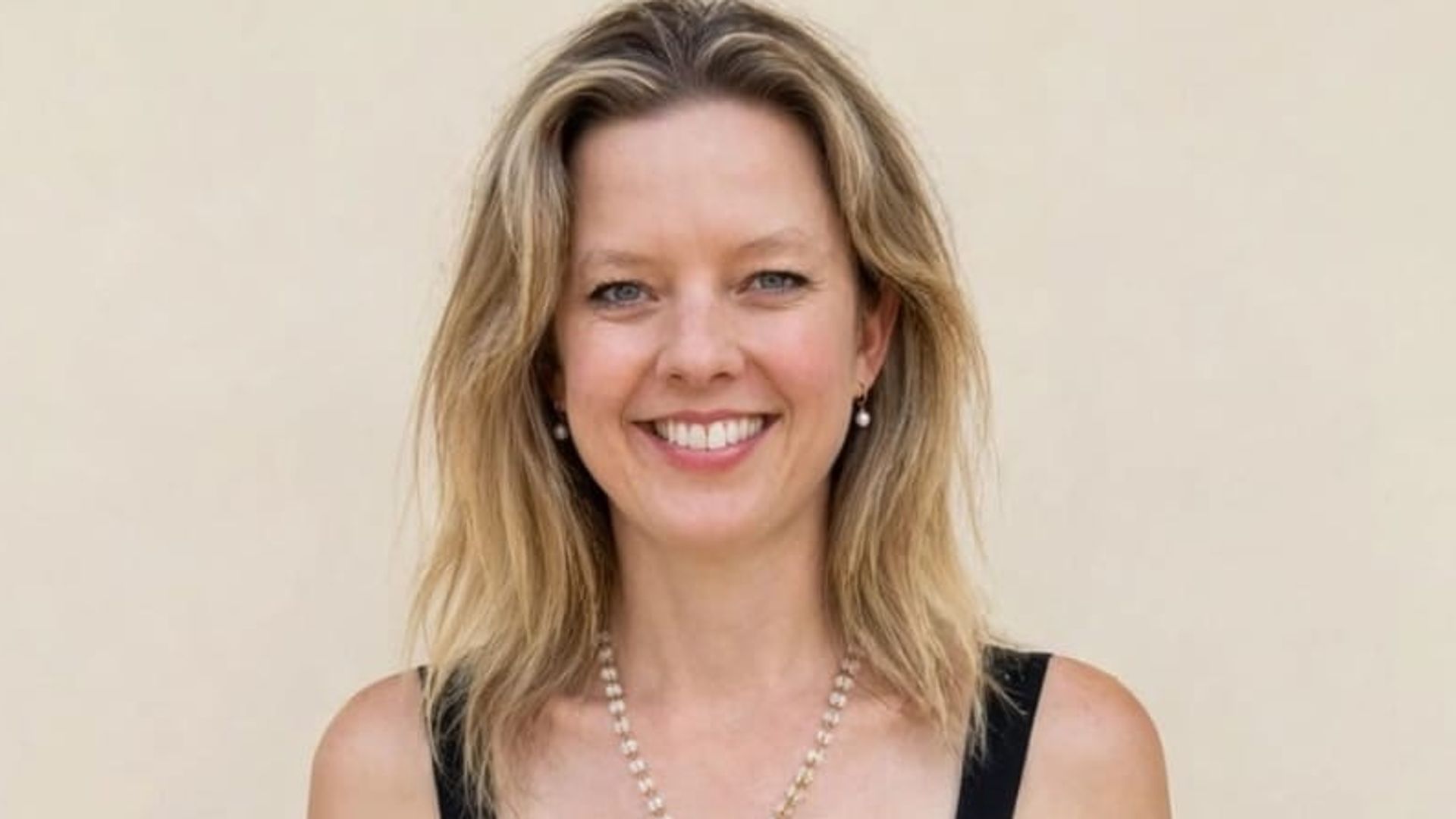
Every time a private tragedy turns into public entertainment, the media machine rolls out the exact same nauseating playbook. A family loses someone. Reporters swarm like vultures, staking out porches and digging through digital debris just to slap together a quick-turnaround obituary piece. They quote grieving relatives saying the victim was a "kind and loving mother," wrap it in stock imagery, and push it out to millions of strangers.
We call it news coverage. It is actually emotional voyeurism disguised as empathy. If you found value in this piece, you should read: this related article.
Let us dismantle the lazy consensus here. The standard narrative claims that publishing these tributes serves public interest by honoring the dead and comforting the bereaved. That is a comforting fiction. The reality is far more transactional. Outlets package sudden death into digestible drama to feed an algorithmic beast that rewards high-engagement sorrow. We are told that reading about a stranger's living room nightmare builds community. It does not. It normalizes turning private agony into public consumption.
The Anatomy of Manufactured Sympathy
Look at how these pieces are constructed. They follow a rigid, cynical formula designed to extract maximum emotional yield from minimum investigative effort. For another angle on this event, see the recent coverage from NBC News.
First, grab the most evocative quotes from a GoFundMe or a shell-shocked cousin. Second, mention that an investigation is ongoing, even when there are zero facts. Third, pad the word count with recycled generalizations about how unexpected tragedies remind us to hold our loved ones tight.
It is algorithmic manipulation masquerading as journalism. When a family is standing in the immediate shockwave of a sudden loss, they are in no condition to give informed consent about becoming headline fodder. They are vulnerable, overwhelmed, and looking for support. Media operations exploit that vulnerability, framing participation as a civic duty to preserve a memory.
I have watched newsrooms scramble after a tragedy, treating a fresh corpse like a breaking stock ticker. Editors do not care about the victim's favorite hobbies or their dedication to local charity projects. They care about click-through rates. They care about search volume spikes. They package human suffering into SEO-optimized packages because outrage and grief sell ads better than dry policy reporting ever could.
Why We Fall For It
We consume this content because we are addicted to vicarious catastrophe. It is the modern equivalent of slowing down on the highway to gawk at a crumpled fender bender. We tell ourselves we are paying respects. We are actually reassuring ourselves that the worst-case scenario has not happened to us yet today.
This voyeuristic cycle creates a perverse incentive structure for grieving families. Because society now processes tragedy through digital attention metrics, a silent grief feels illegitimate. If your heartbreak does not trend on social media or get picked up by a regional news aggregator, did it really happen? Families are subtly coerced into performing their sorrow for public approval just to ensure their loved one is not forgotten by an algorithm that forgets everything after forty-eight hours.
We have outsourced our mourning to reporters who never met the deceased.
The Cost of Public Obituaries
When we turn private loss into public spectacle, we corrupt the healing process. Real grief is messy, ugly, long, and intensely personal. It involves paperwork, awkward silences, legal battles, and private tears shed at two in the morning when the house is quiet. It does not look like a polished paragraph of quotes about a kind and loving mother delivered to a local reporter over the phone.
By rushing to memorialize people in the public square, we rob families of the space to process their trauma away from the glare of anonymous commentators. The comments section under these articles is a digital colosseum where strangers debate the cause of death, assign blame, or offer hollow platitudes that nobody asked for.
Stop clicking on tragedy porn. Stop rewarding outlets that turn neighborhood horrors into morning entertainment.
When a family loses someone, they deserve silence, support, and privacy. They do not deserve to be your morning scroll.