Politicians love a good blunt instrument. Former Alberta premier Jason Kenney recently stepped back into the ring to argue that Canada is leaving its strongest economic weapon unused. His prescription for the ongoing tariff brawl with Washington? Slap export taxes or restrictions on the oil and gas flowing south.
The lazy consensus says this makes sense. If the United States punches us with tariffs, we squeeze their energy supply. It sounds tough, decisive, and television-ready. For a closer look into this area, we recommend: this related article.
It is also an economic death wish.
Weaponizing crude exports against the American market does not project strength. It broadcasts a profound misunderstanding of how physical infrastructure works, how capital markets punish volatility, and why Canada’s energy sector is uniquely vulnerable to its own bravado. To get more details on this development, comprehensive analysis can also be found at Forbes.
The Physical Reality of Locked-In Flow
To understand why using oil as a tariff weapon is catastrophic, look at a map instead of a podium. More than two-thirds of Alberta’s crude flows through specific, fixed pipeline arteries directly to American refineries. These are not adjustable water spouts you can turn on and off to score political points during a trade dispute.
Refineries in the U.S. Midwest and Gulf Coast are engineered chemically and mechanically to process heavy Canadian bitumen. They rely on it every single hour of every single day. But here is what the tough-talk crowd ignores: Canadian producers rely on those exact same refineries for 100% of their cash flow.
Imagine a scenario where Ottawa or Edmonton slaps a punitive export tax on crude to punish the White House. Who actually pays that tax? Refiners have alternative, albeit more expensive, domestic and international shipping options over time. Canadian producers, trapped by a lack of immediate marine export capacity, absorb the discount instantly. You do not punish the American consumer; you crater the price realization for Western Canadian Select, destroying producer margins and provincial royalties before lunch.
The Myth of Asymmetric Leverage
Proponents of the energy-weapon strategy operate under the assumption that Canada holds a monopoly over American energy needs. They point out that Canada supplies a massive share of U.S. crude imports, treating that statistic like an unanswerable checkmate.
This is amateur-hour geopolitics. Markets do not care about patriotic talking points; they care about substitution costs and contract certainty.
When you threaten to weaponize a primary export commodity, you instantly destroy your reputation as a reliable, predictable supplier. Capital investment in the energy sector depends entirely on long-term regulatory stability. I have watched boards of directors freeze hundreds of millions of dollars in capital expenditure the moment a government starts treating critical infrastructure like a poker chip.
If Canadian oil becomes a volatile political instrument, global investors will direct their capital elsewhere. Why build long-cycle extraction projects in a jurisdiction willing to sabotage its own primary revenue source out of spite?
Furthermore, the U.S. remains the world’s largest oil producer. While heavy crude imports solve specific regional refinery optimization problems, an aggressive Canadian trade intervention would permanently accelerate American pressure toward energy independence and internal pipeline expansions. You don't squeeze a superpower; you give them the political mandate they need to decouple from you permanently.
The Alternative Is Building Out, Not Lashing Out
If policymakers genuinely want to escape the gravitational pull of American trade aggression, the answer is not a suicidal export tax. The answer is infrastructure diversification.
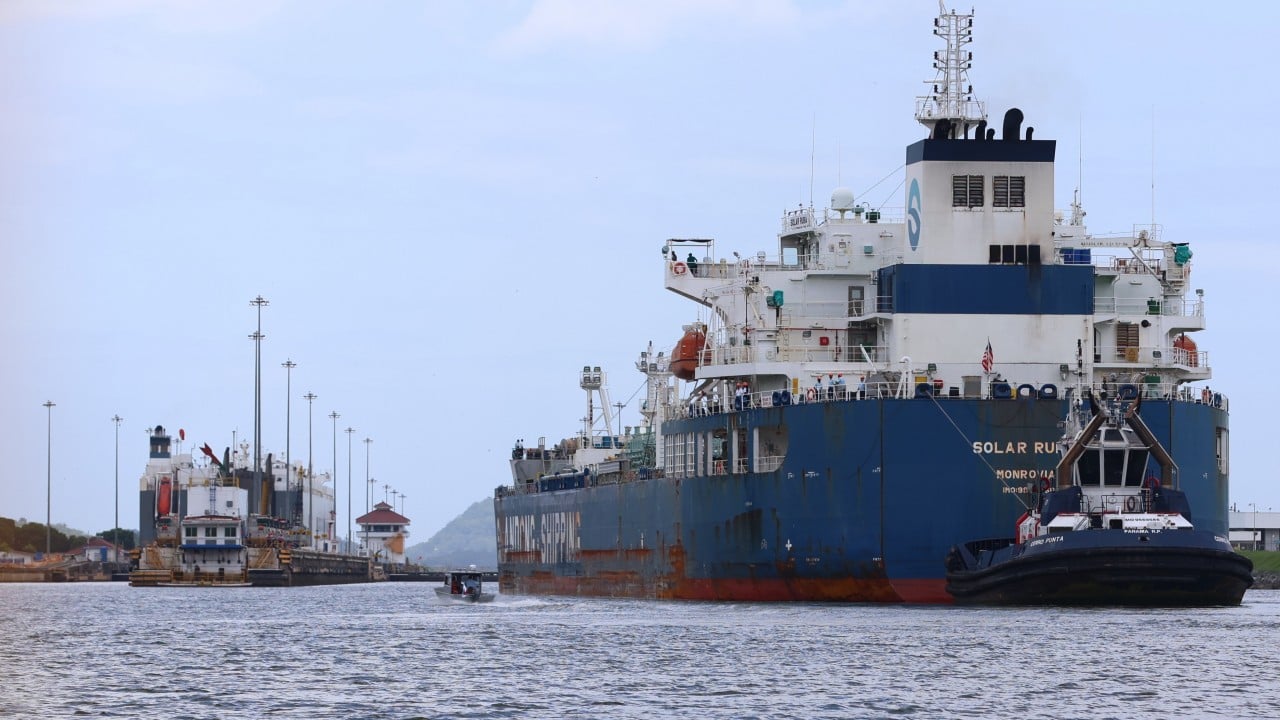
Canada has spent decades talking about getting oil to tidewater while regional squabbles and regulatory paralysis killed every major project. Real leverage is not threatening to withhold the oil you are already forced to sell to one customer. Real leverage is having the physical capacity to load that oil onto tankers bound for Asia and Europe tomorrow morning.
Pursuing Pacific Coast pipeline access and expanding global export channels changes the entire game. That is how you create genuine pricing power. You do it by building alternatives, not by shooting your own foot off and pretending the blood is a warning to the enemy.
Stop listening to politicians who treat complex macroeconomics like a bar fight. Energy is the backbone of the Canadian federation, not a toy for retaliation.