Every monsoon season, the media runs the exact same script. Heavy rains hit the Himalayas. Flash floods wash out mountain passes. Pilgrims go missing. And pundits chime in with predictable platitudes about divine will, resilience, and the sheer spiritual magnitude of the Kailash Mansarovar Yatra.
We need to stop whispering about this and say it out loud. The standard narrative surrounding this pilgrimage is a whitewashed exercise in romanticized self-destruction.
When tragedy strikes near the borderlands of Tibet and Nepal, commentators rush to frame the disaster as an act of purely divine mystery. They treat rugged terrain and sudden cloudbursts as unavoidable surprises. They aren't. They are entirely predictable outcomes of treating a high-altitude endurance test like a casual weekend retreat.
I have spent years navigating Himalayan logistics, watching well-meaning travelers step off planes in Kathmandu or Lucknow completely unprepared for what awaits them at 15,000 feet. I've watched agencies underquote physical risks to lock in booking fees, leaving amateurs stranded in flash-flood zones with zero contingency infrastructure.
The lazy consensus is that the Kailash Mansarovar Yatra is simply a test of faith. Faith won't save you when a swollen river takes out a suspension bridge, and prayer won't clear pulmonary edema.
Let us strip away the sentimentality and look at the hard mechanics of what goes wrong, why current rescue protocols are failing, and what actual preparation looks like when you stop lying to yourself about mountain travel.
The Geography of Illusion
To understand why pilgrims vanish during seasonal weather spikes, you have to look past the glossy travel brochures. Mount Kailash sits in a remote rain shadow of the Tibetan Plateau, but getting there requires traversing hyper-volatile transit corridors through Nepal and the border regions.
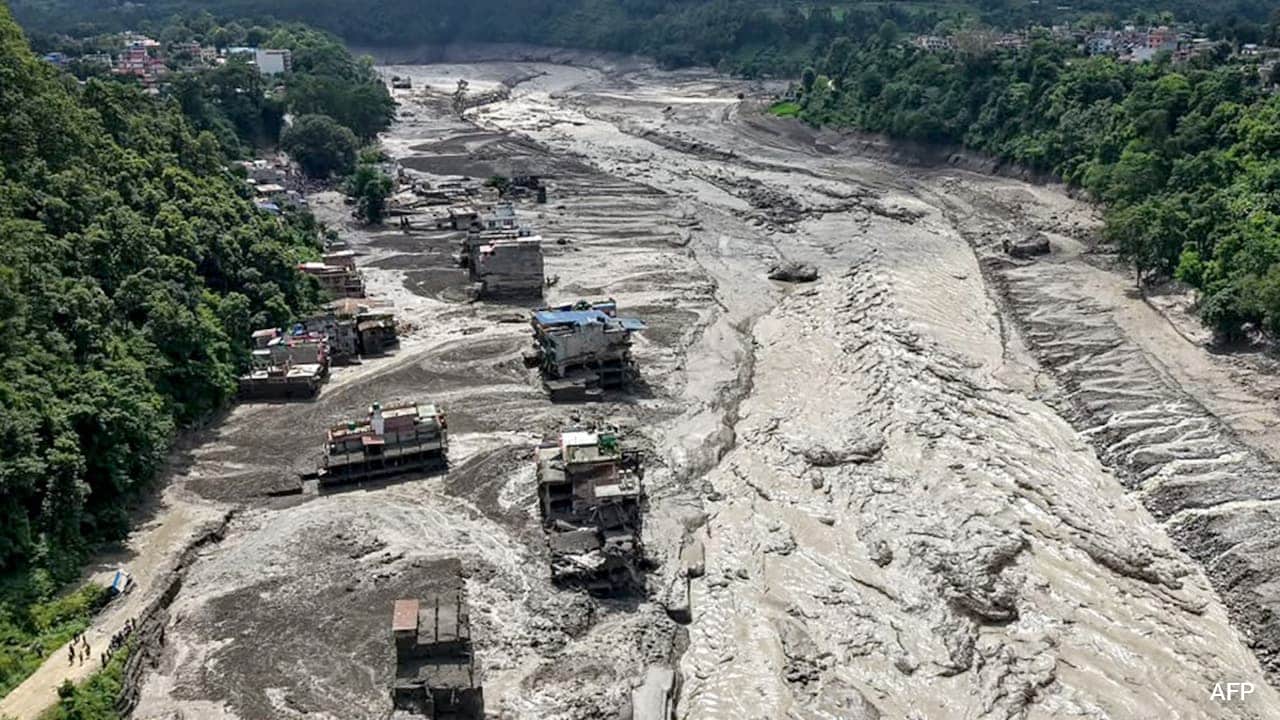
The lazy narrative treats the route as a single monolithic trail. It is not. It is a fragmented network of high-altitude passes, poorly drained river valleys, and landslide-prone gorges. When regional monsoon systems collide with Himalayan topography, the geography shifts in minutes.
Most travelers rely on budget operators who cut corners on acclimatization schedules. Human physiology does not care about your devotion. Ascending too fast in the name of saving time or money triggers acute mountain sickness. When physical exhaustion meets a sudden flash flood, reaction times drop to zero.
The common question people ask is: "How can we make the route safer for tourists?"
That is the wrong question entirely. The right question is: "Why are we encouraging undertrained, unacclimatized civilians to enter extreme-risk alpine environments without mandatory high-altitude survival certification?"
Until we reframe the Yatra as a high-stakes mountaineering expedition rather than a casual spiritual tourism package, the body counts will keep rising every monsoon.
Dismantling the Bureaucratic Blind Spots
The geopolitical reality of the Kailash Mansarovar Yatra adds another layer of systemic failure. Because the mountain sits in the Tibet Autonomous Region of China, jurisdiction is split across multiple government bodies, travel permits are tightly rationed, and emergency rescue coordination is notoriously slow.
When a flash flood hits the Nepali side or blocks border access points, communication blackouts compound the chaos. Local operators often lack satellite communication gear, relying instead on spotty cellular networks that drop the moment power lines fail.
Imagine a scenario where a group of twenty pilgrims is cut off by a mudslide at 13,000 feet. Under current industry standards, local guides often wait hours—sometimes days—hoping the weather clears before notifying international embassies or regional disaster management cells. They do this to avoid the financial penalties and logistical nightmare of triggering a formal rescue operation.
That is not a tragedy of nature. That is a failure of operational transparency.
If you are booking this journey through an agency that cannot provide a direct, redundant satellite communication link and a physician-backed medical evacuation bond, you are rolling the dice with your life. No amount of holy water washes away the consequences of choosing a discount tour operator.
What Real Preparation Actually Looks Like
If you are dead set on completing this pilgrimage, throw away the checklist given to you by travel agents trying to close a sale. You do not need more thermal underwear; you need a hard-nosed assessment of your cardiovascular fitness and psychological endurance.
- Cardiorespiratory Baseline: You must train at high exertion levels for at least six months prior. If you cannot maintain a steady heart rate under load at sea level, you will become a liability on a mountain slope.
- Acclimatization Discipline: Reject any itinerary that forces a rapid ascent past 10,000 feet without mandatory rest days. Your body needs time to manufacture red blood cells; it cannot be rushed by a corporate schedule.
- Independent Contingency Funds: Never travel without an insurance policy that explicitly covers high-altitude search and rescue, helicopter evacuation, and cross-border medical repatriation.
The downside of this approach is obvious: it costs more money and requires immense discipline. It strips away the spontaneous, carefree illusion of modern tourism. But reality does not care about your convenience.
Stop treating the Himalayas like a spiritual theme park. Respect the physics, break the cycle of unprepared complacency, and turn back the moment the mountain tells you no.