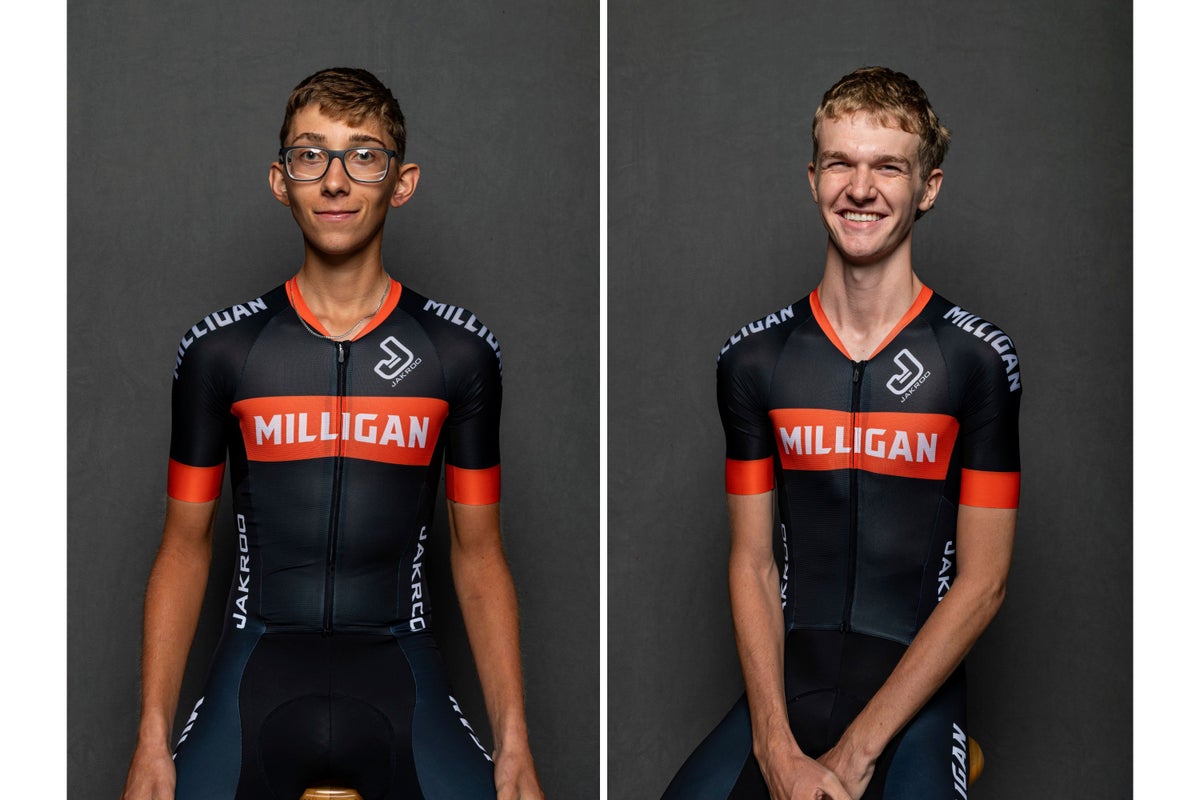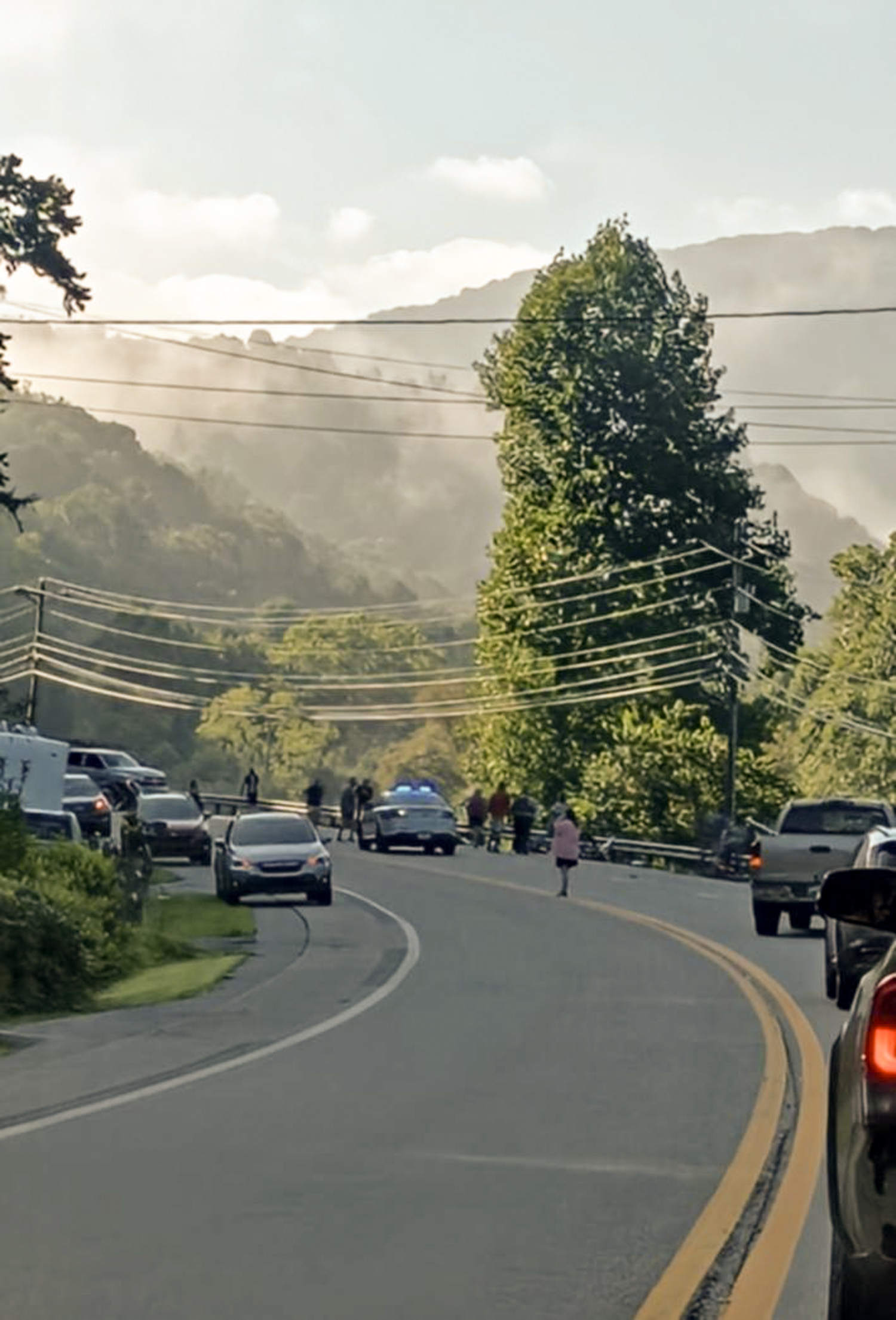
Another tragic headline. Another dead college cycling team. Another wave of public grief followed by the exact same predictable, lazy ritual: candlelight vigils, ghost bikes, and a collective demand for more painted white lines on asphalt.
Everyone wants to blame the driver. Everyone wants to scream about distracted motorists, truck size, and inadequate municipal budgets.
They are missing the point entirely.
Standard road infrastructure is built for cars, not human bodies. Adding a three-foot green strip next to a seventy-mile-per-hour stroad does not protect anyone. It offers a lethal illusion of safety. Until we stop pretending that a coat of paint can stop a three-ton SUV, cyclists will continue to die in preventable collisions.
The Fatal Flaw of the Protected Bike Lane Myth
Urban planners love to sell the narrative that physical separation solves everything. Bollards, curbs, flex-posts. We praise these additions as victories for micro-mobility.
I have watched cities spend millions of dollars installing decorative concrete barriers that offer zero actual kinetic resistance against a distracted driver traveling at highway speeds.
Physics does not care about urban planning sentiment.
When a vehicle drifts off the road, a plastic bollard snaps like a toothpick. Even concrete curbs designed to separate bikes from traffic often act as ramps for larger vehicles. We are designing cycling infrastructure based on hope rather than kinetic reality.
The lazy consensus is that if we just build more lanes, drivers will magically become more aware. That is not how human psychology behind the wheel works. Road design dictates speed. Wide, straight lanes encourage higher velocities. Slapping a bike lane onto a high-speed arterial corridor without fundamentally narrowing the right-of-way or lowering speed limits is an exercise in negligent design.
Why Group Rides Are Becoming Killing Fields
Let us talk about the uncomfortable truth within the endurance sports community. Group training rides, especially for collegiate and amateur cycling teams, operate under a culture of misplaced invincibility.
Athletes are conditioned to push through pain, ignore external hazards, and hold formation at all costs. When you put twenty riders in a double paceline on an open rural highway during peak traffic hours, you are playing statistical roulette.
Drivers are looking at glowing rectangles. They are exhausted, commuting home from grueling work shifts, or adjusting dashboard climate controls. Relying on their goodwill or peripheral vision is a failing strategy.
We need to talk about route selection. Teams routinely choose scenic rural backroads because of low traffic volume, ignoring the absolute lack of shoulders, blind crests, and high speed limits. A road with low volume and high speed is exponentially more dangerous than a congested urban street moving at thirty miles per hour. Kinetic energy scales with the square of velocity. A low-frequency, high-speed impact is a death sentence.
The Alternative Protocol For Surviving the Asphalt Jungle
If you want to keep training outdoors without becoming a statistic, you have to abandon conventional wisdom. Stop riding reactively. Start operating like you are navigating a combat zone.
First, ban daytime group training on unshielded rural highways. If a road lacks a physical, separated barrier that can withstand a vehicular impact, or a wide multi-use path completely away from motorized traffic, move the intensity indoors or to closed-circuit tracks.
Second, rethink visibility. Neon jerseys and blinking LED taillights are not enough anymore. Day-running lights with erratic flash patterns help, but radar-equipped rear view systems are mandatory equipment. Every serious rider should have an active radar unit paired to their head unit, alerting them to approaching vehicles seconds before visual confirmation.
Third, stop demanding paint. Demand speed traps, lane narrowing, and road diets. If a municipality refuses to lower speed limits on commuter corridors to twenty-five miles per hour or less, abandon those routes entirely. Make it economically and politically painful for cities to maintain high-speed thoroughfares through populated areas.
The outrage cycle after every fatal crash is deafening, but the resulting action is entirely performative. We grieve, we demand a bike lane, the city paints a stripe, and six months later, another rider is in the morgue.
Tear up the playbook. Stop trusting the paint.
Ride defensively, train off the open road, or accept that the current system is designed to crush you.